 Blaine
 Building Exteriors for Semiahmoo's Coastal Conditions
Semiahmoo sits about as close to saltwater as a Whatcom County home can get, tucked along the spit and shoreline near the Canadian border and Semiahmoo Bay. That location is the whole appeal of living here — and it's also the reason exteriors in this pocket of Blaine take a beating that homes even a few miles inland rarely see. Salt-laden air, near-constant onshore moisture, and long stretches of gray, damp weather each year add up to conditions that most siding, trim, and roofing materials simply weren't built to handle over the long term.
We work on homes throughout Blaine and the surrounding Whatcom County coastline, and Semiahmoo is one of the areas where the difference between a properly detailed exterior and a corner-cut one shows up fastest. This page walks through what we actually see out here, how we approach siding, roofing, windows, and deck work for this specific environment, and why the material choices we make aren't arbitrary.
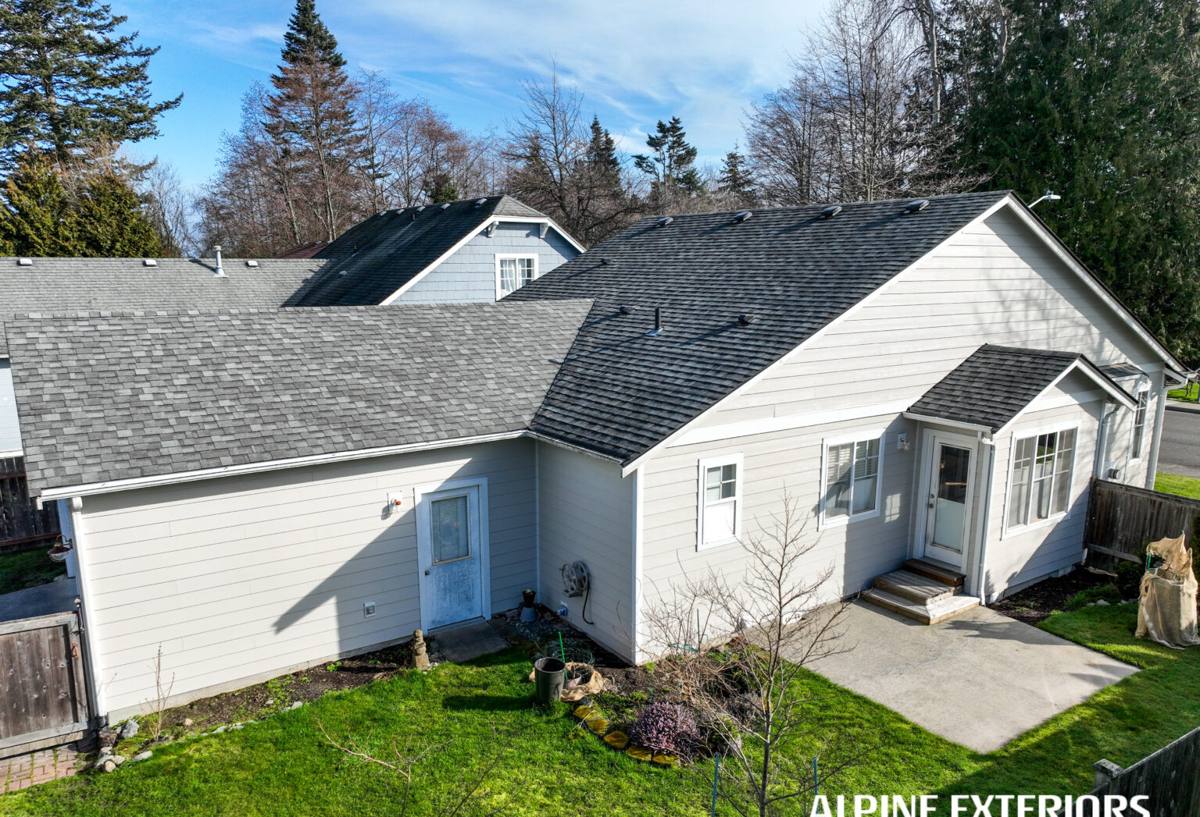
What Salt Air Actually Does to a House
Salt air isn't just "humid air with a coastal smell." Airborne salt is corrosive and hygroscopic — it pulls moisture out of the atmosphere and holds it against whatever surface it lands on. Over years, that has a few predictable effects on a home's exterior:
- Metal fasteners, flashing, and hardware corrode faster than the same products would inland, especially anything that isn't rated for coastal exposure.
- Paint and factory finishes on wood-based products break down sooner as salt crystals work into the surface and hold moisture against it.
- Caulk and sealant joints fail earlier, which matters a lot because those joints are usually the first line of defense against water intrusion.
- Any organic or moisture-sensitive substrate — untreated wood trim, OSB-based siding, low-grade composites — is more prone to swelling, delamination, and rot in a salt-and-rain environment than in a drier one.
None of this means a home near Semiahmoo Bay is doomed to constant repairs. It means the materials and installation details have to be chosen with that exposure in mind from the start, rather than treated the same as a build in a dry inland subdivision.
Driving Rain Adds a Second Layer of Stress
Whatcom County's marine climate brings frequent rain, and coastal spots like Semiahmoo often get it with wind behind it — driving rain that hits siding at an angle instead of falling straight down. That matters for exterior work because it puts pressure on details that vertical rain barely touches: lap joints, butt seams, window and door flashing, and the transitions where siding meets trim, roofing, or a deck ledger. A house can handle a lot of rain volume and still leak if those specific details weren't built to shed water moving sideways.
The Moss Season Nobody Talks About Until It's a Problem
Between the rain and the shade many Semiahmoo lots get from mature evergreens, moss and algae growth on roofs, siding, and decking is a near year-round concern rather than a seasonal nuisance. Moss holds moisture against whatever it grows on, and on a roof it can work its way under shingle edges over time. On siding and decking, algae staining is mostly cosmetic, but it's also a sign that a surface is staying damp longer than it should — which is worth paying attention to.
Why We Standardized on James Hardie Fiber Cement Siding
We install James Hardie fiber cement siding exclusively — we don't install vinyl, LP SmartSide, Cemplank, Allura, or primed wood siding like spruce or cedar. That's a deliberate standard, not a marketing line, and it comes directly from what we see happen to exteriors in environments like Semiahmoo's over a 10-, 15-, and 20-year horizon.
Vinyl siding can warp and become brittle with UV and temperature swings, and its seams and J-channels give salt-laden moisture plenty of places to work into. Wood-based and OSB-core products are organic materials at their core — even with engineered treatments, they're more vulnerable to swelling and moisture damage in a climate this wet, and repainting or resealing on a coastal timeline gets expensive fast. Fiber cement is fundamentally different: it's a cement, sand, and cellulose composite that doesn't rot, doesn't support pests, and is non-combustible. James Hardie's factory-applied ColorPlus finish is baked on under controlled conditions, which holds up to sun and salt exposure far better than field-applied paint, and it comes with a real transferable warranty backing it.
James Hardie also builds region-specific HZ product lines engineered for different climate zones, which matters in a place where humidity, rain volume, and temperature swings are all part of the daily equation. We're not choosing Hardie because it's the only option on the market — we're choosing it because, installed correctly, it holds up to exactly the conditions Semiahmoo throws at an exterior.
Correct Installation Matters as Much as the Product
Fiber cement siding is only as good as its installation. In a high-moisture, salt-exposed area, the details that separate a siding job that lasts decades from one that fails early include:
- Proper rainscreen or drainage gap behind the siding so incidental moisture can drain and the wall can dry.
- Correct fastener spacing, type, and corrosion-resistant hardware suited to coastal exposure.
- Flashing at every window, door, and roof intersection, lapped correctly to shed driving rain rather than trap it.
- Caulking only where Hardie's specifications call for it — over-caulking traps moisture just as often as under-caulking lets it in.
- Proper clearance between siding and grade, decks, roofs, and other surfaces so the bottom edge isn't sitting in standing water or debris.
Roofing for a Wet, Moss-Prone Climate
Roofs near Semiahmoo deal with the same rain volume and moss pressure as siding, plus wind exposure off the water. When we're on a roof in this area, we're paying close attention to underlayment quality, ridge and valley flashing, and ventilation — a roof that can't breathe properly holds moisture in the attic space, which accelerates both material breakdown and moss growth on the deck below the shingles. Gutter and downspout sizing matters more here too, since undersized systems back up faster in sustained heavy rain and send water where it doesn't belong, often right down the siding.
Windows and Doors: The Weak Points in Any Coastal Envelope
Windows and doors are where most water intrusion problems actually originate, even on homes with good siding. Every penetration in the exterior wall is a place water can find its way in if flashing and sealant details aren't done right. In a driving-rain environment, we pay particular attention to head flashing above windows, proper pan flashing at the sill, and integration between the window flange and the water-resistive barrier behind the siding. Coastal air also degrades window hardware and weatherstripping faster than inland exposure, so material quality on the units themselves matters, not just the installation.
Decks: Built to Handle Standing Water and Shade
Decks near Semiahmoo often sit under tree cover or face the bay directly, which means they deal with both prolonged dampness and, in shaded spots, near-constant moisture that never fully dries between rain events. Ledger board flashing where the deck meets the house is one of the most common failure points we find on older decks — it's a detail that's easy to get wrong and expensive to ignore, since a compromised ledger connection is a structural issue, not just a cosmetic one. Proper joist tape, corrosion-resistant hardware, and drainage-conscious framing all matter more here than they would in a drier part of the state.
Cost Factors for Coastal Exterior Work
Every project is different, but a few factors consistently move the cost and scope of exterior work in a coastal area like Semiahmoo:
| Factor | Why It Matters Here |
|---|---|
| Existing moisture damage | Salt air and driving rain often mean more hidden rot behind old siding or trim than an inland home of the same age |
| Flashing and drainage detailing | Coastal exposure raises the stakes on getting these details right, which affects labor time more than material cost |
| Fastener and hardware grade | Corrosion-resistant hardware costs more upfront but is non-negotiable this close to saltwater |
| Tree cover and shading | Heavier moss and algae pressure can affect roof and siding material choices and maintenance recommendations |
| Access and site conditions | Waterfront and bluff-adjacent lots sometimes add logistical complexity to scaffolding or material staging |
A Simple Maintenance Checklist for Semiahmoo Homes
Whatever your exterior is made of, a few habits go a long way in this climate:
- Rinse moss and algae growth off siding and roofing gently at least once a year rather than letting it build up.
- Check and clean gutters more often than the standard twice-a-year advice — coastal tree cover and rain volume clog them faster.
- Inspect caulking around windows, doors, and trim annually and re-seal as soon as it starts cracking, not after it's already failed.
- Walk the deck ledger and framing connections yearly and watch for soft spots or staining, which are early signs of moisture intrusion.
- Keep an eye on any spot where two materials meet — those transitions are almost always where problems start first.
Why a Local Crew Makes a Real Difference
Exterior work in Semiahmoo isn't the same job as exterior work in a dry inland town, even within the same county. A crew that works this coastline regularly already knows which details tend to fail first on a bay-facing wall, how much moss pressure to expect under mature tree cover, and how driving rain off the water behaves differently than a straight-down storm. That local familiarity shows up in the small decisions — flashing laps, fastener choices, drainage detailing — that don't show up on a spec sheet but decide whether an exterior holds up for 20 years or needs attention in five.
If you're planning siding, roofing, window, or deck work on a home in or around Semiahmoo, we're happy to take a look and talk through what your specific property is dealing with. Reach out for a free, no-pressure estimate using the form below.