 Blaine
 Why Siding Quotes Vary So Much
If you've called around Blaine for siding replacement quotes, you've probably noticed the numbers don't line up. One contractor's bid is half another's, and it's rarely because someone is trying to rip you off. Siding pricing is driven by a handful of concrete variables — house size, tear-off scope, material, trim complexity, and what's actually hiding under the old siding once it comes off. Understand those variables and the spread between bids starts to make sense.
This page walks through what actually moves the number on a Blaine siding job, including a few things that are specific to Whatcom County's climate — salt air off the Strait, driving rain, and a long moss season that most homeowners inland never have to think about.
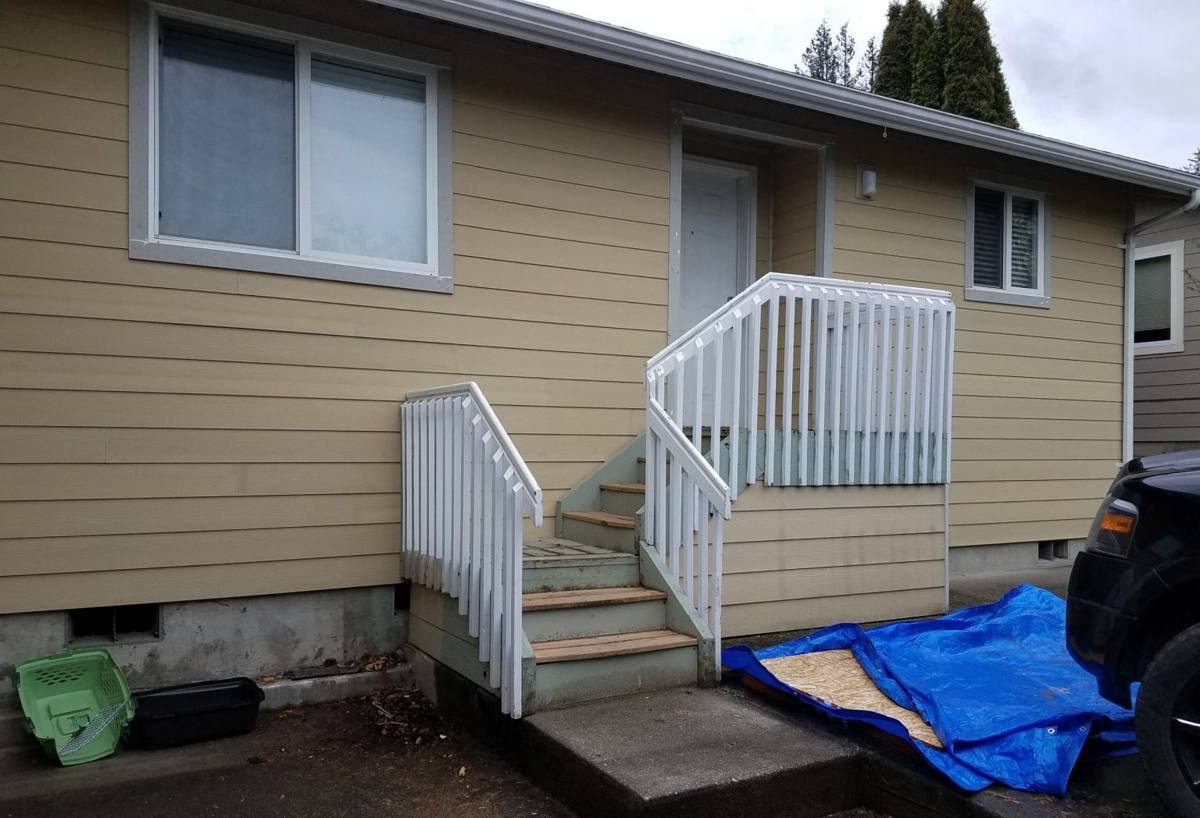
House Size and Complexity
Square footage of exterior wall area is the baseline for any siding bid, but it's not the whole story. Two houses with identical square footage can cost very differently to side depending on shape.
- A simple rectangular one-story home with few corners and openings is the cheapest to side per square foot.
- Multiple gables, dormers, bump-outs, and window/door trim add labor time even though they don't add much wall area.
- Two-story and three-story homes require scaffolding or lift equipment, which adds cost beyond the extra material.
- Porches, columns, and detailed trim work (common on older Blaine homes near the waterfront and downtown core) take real time to do right.
When you're comparing quotes, ask each contractor how they measured the job. A bid that's dramatically lower may simply be measuring less accurately, not doing the work cheaper.
Story Height and Access
Access matters more than most homeowners expect. A house set on a slope, or one with limited yard clearance for equipment, can add cost independent of the siding material itself. This is worth asking about directly rather than assuming it's baked into every bid the same way.
Tear-Off vs. Overlay: Why We Don't Cut This Corner
Some contractors will offer to install new siding directly over old siding to save on labor. We don't do this, and it's worth explaining why it affects cost.
Overlaying traps whatever moisture, rot, or pest damage already exists behind the old siding. In a climate like Blaine's — with sustained rain and salt-laden air working at the building envelope year-round — that's a real risk, not a theoretical one. A full tear-off costs more upfront because it's more labor, but it's the only way to actually inspect the sheathing, house wrap, and framing underneath before new siding goes on. It's also the only way to correctly install a rainscreen gap and proper flashing details, which matter enormously in this climate.
If a quote seems low, ask specifically whether it includes full tear-off to the sheathing or whether it's an overlay. That single question explains a lot of the price gap between bids.
Material Choice: The Single Biggest Cost Driver
Material is usually the largest line item on the bid, and it's also where the cost differences are most misunderstood. Cheaper materials aren't always cheaper over the life of the siding — they just shift the cost from installation day to years five, ten, and fifteen.
| Material | Upfront Cost | What Drives Long-Term Cost |
|---|---|---|
| Vinyl | Lowest | Fades, warps, and cracks in wind and cold; replacement panels are hard to color-match years later |
| LP SmartSide (engineered wood) | Moderate | Field-applied caulking and paint at seams need ongoing maintenance; edge swelling risk if moisture gets in |
| Cedar | Moderate-High | Requires regular refinishing, is combustible, and is a food source for moisture and insects without diligent upkeep |
| Primed spruce/wood composites | Lower-Moderate | Prone to moisture absorption at cut edges; repainting cycles add up |
| James Hardie fiber cement | Moderate-High | Factory ColorPlus finish resists fading; non-combustible; engineered for Pacific Northwest moisture exposure |
We install James Hardie fiber cement exclusively. It's not the cheapest material on that list, but it's the one we're willing to warranty and stand behind on a house that's going to face fifty-plus inches of annual rainfall and salt air coming off the water. We'd rather explain a higher number upfront than have a homeowner call us in eight years about swelling, fading, or repainting a product we don't stand behind.
What's Hiding Under the Old Siding
This is the cost factor no contractor can quote with certainty before tear-off starts. Once old siding comes off, we sometimes find rotted sheathing, compromised house wrap, or framing damage — especially around window and door openings where flashing was installed incorrectly the first time, or wasn't installed at all.
In Blaine, this shows up most often on the weather-facing sides of a house — typically west and southwest exposures that take the brunt of driving rain off the Strait of Georgia. A good contractor builds a contingency allowance into the estimate for this, rather than pretending it won't happen. Be wary of any bid that doesn't mention the possibility of hidden repair costs at all — it usually means they haven't done many tear-offs in this climate.
Trim, Color, and Finish Details
Trim boards, corner details, and fascia work are often quoted separately from field siding, and they add up. A factory-applied finish like Hardie's ColorPlus system costs more upfront than a field-painted product, but it removes an entire maintenance cycle — no repainting the whole house five to seven years later, which is itself a real cost most homeowners forget to factor into "cheaper" siding options.
Custom color matching, board width selection (lap siding width, panel vs. plank profiles), and accent details on gables or porch areas are all things that affect the bid. It's worth deciding on these upfront rather than mid-project, since change orders after material is ordered typically cost more than the same decision made at the estimate stage.
What's Unique to Blaine and Whatcom County
A few regional factors specifically affect siding decisions and costs here that a contractor from a drier climate might not account for:
- Salt air: Proximity to Semiahmoo Bay and the Strait of Georgia means airborne salt accelerates corrosion on fasteners and wear on finishes that aren't built for it. This is part of why we spec corrosion-resistant fastening on every job.
- Driving rain: Blaine's rain frequently comes with wind, which pushes water into gaps that vertical rain wouldn't reach. This makes correct flashing, house wrap, and rainscreen detailing more important here than in calmer climates — and it's part of what tear-off installation protects.
- Moss season: Long, damp stretches of the year create ideal conditions for moss and algae growth on north-facing and shaded walls. Some siding materials resist this better than others; surface texture and finish both play a role.
None of these factors make siding replacement dramatically more expensive on their own, but they do influence which materials and installation details are worth paying for versus which are corners that shouldn't be cut.
Getting an Accurate Quote
Because so much of the final cost depends on things you can't see until tear-off, the best way to compare bids is to make sure every contractor is quoting the same scope. Use this checklist when reviewing estimates:
- Does the bid specify full tear-off to sheathing, or overlay?
- Is there a stated allowance or process for hidden sheathing/framing repair if damage is found?
- Does the quote name the specific siding product and line, not just "fiber cement" or "engineered wood" generically?
- Is house wrap and flashing detail included and specified, especially at windows, doors, and roof-to-wall transitions?
- Does the quote include trim, corner boards, and any custom color or finish work, or are those separate?
- What warranty applies — to the material, and separately to the labor/installation?
- Is a written timeline included, accounting for typical Whatcom County weather windows?
A quote that answers all of these clearly is easier to trust than one that gives a single lump-sum number with no scope detail behind it.
The Long-Term Math
The lowest bid on installation day isn't always the lowest cost over the life of the siding. Repainting cycles, panel replacement, caulk maintenance, and early replacement due to moisture damage all add real dollars over ten to twenty years — they just don't show up on the initial invoice. When we walk homeowners through cost, we try to talk about both numbers: what it costs to install, and what it's likely to cost to own over the next two decades in this specific climate. That's the comparison that actually matters for a coastal Whatcom County home.
If you'd like a clear, itemized estimate for your home — one that spells out tear-off scope, material, and what's included — we're happy to take a look and walk the property with you. The estimate is free, and there's no pressure to move forward until you're ready.