 Blaine
 Building for the Birch Point Coastline
Birch Point sits close enough to the water that the weather is never just "Blaine weather" — it's water weather. Homes here catch salt-laden air off the Strait of Georgia, take driving rain straight off Pacific storm systems, and sit under tree cover that keeps everything a little damper, a little longer, than homes further inland. That combination is hard on exterior materials, and it's harder on materials that weren't built with a marine climate in mind.
We work throughout Whatcom County, but Birch Point gets treated as its own case every time. A crew that only shows up occasionally on the water side of Blaine will treat this like any other job. A crew that works this coastline regularly knows which details actually matter here — and which corners cost homeowners money five years down the road.
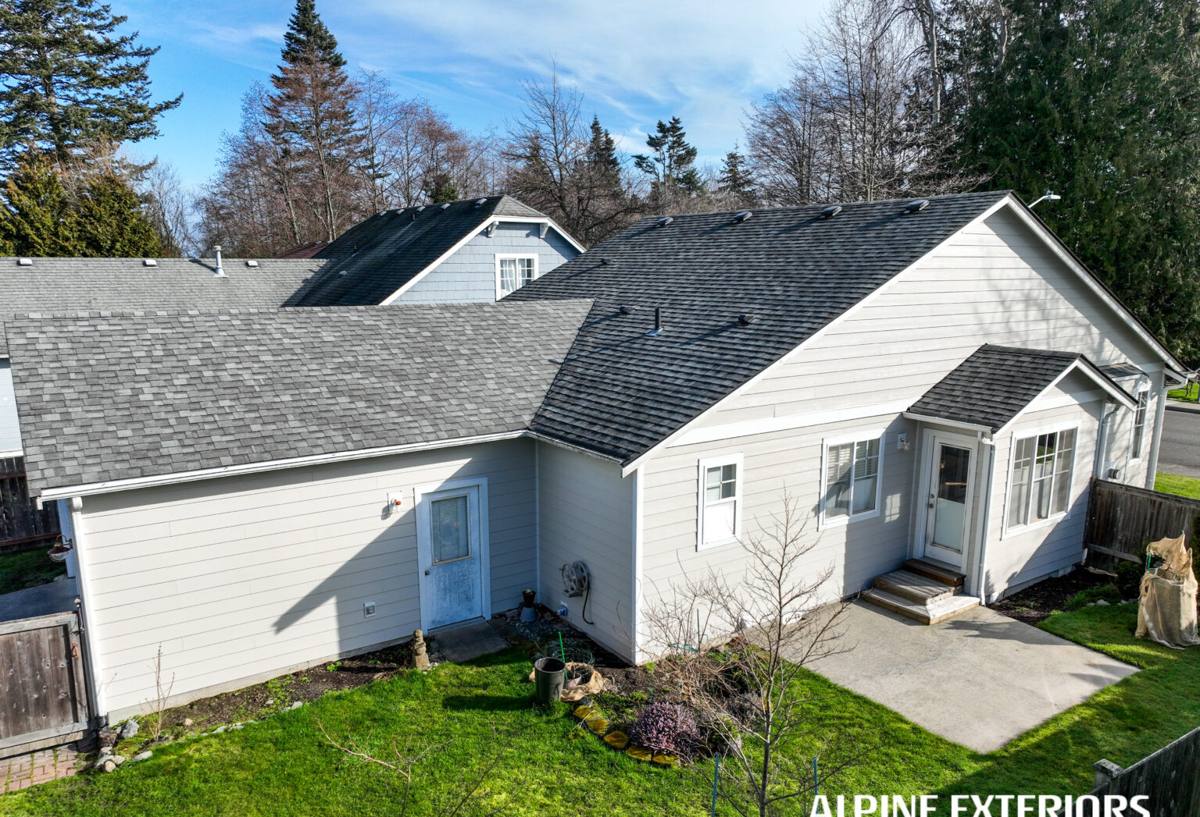
What Salt Air, Rain, and Wind Actually Do to a House
Salt air and corrosion
Airborne salt doesn't just sit on the surface — it works into fasteners, flashing, and any exposed metal on the exterior. Over years, this accelerates corrosion on trim nails, hose bibs, light fixtures, and anything else not rated for a marine environment. Siding material itself isn't immune either: some products handle chronic moisture and salt exposure far better than others, and the difference shows up as swelling, staining, or premature paint failure.
Driving rain and wind-driven moisture
Storms coming off the water don't fall straight down — wind pushes rain sideways into wall assemblies, lap joints, and window trim. A siding system that isn't installed with the right clearances, flashing, and caulking sequence will eventually let that moisture behind the cladding, where it causes rot in sheathing and framing long before anyone notices a problem from the curb.
Wind exposure
Open water frontage means less wind-blocking than a home tucked into a forested inland lot. Fastening schedules, panel overlap, and trim attachment all need to account for higher sustained wind loads than a typical residential spec assumes.
Moss, Algae, and Whatcom County's Long Wet Season
Whatcom County's wet season runs long, and Birch Point's tree cover and water-adjacent humidity stretch it even longer. That means extended periods where siding, trim, and roofing stay damp — ideal conditions for moss and algae to establish, especially on north-facing walls and anything shaded by mature trees.
Moss growth isn't just cosmetic. It holds moisture against the surface it's growing on, and depending on the material, that sustained dampness can lead to soft spots, delamination, or coating failure over time. Materials differ a lot in how they handle this kind of prolonged, low-grade moisture exposure — which is a big part of why we standardized on one product line rather than offering several.
| Material | Behavior in prolonged damp/moss conditions | Typical maintenance burden here |
|---|---|---|
| Vinyl siding | Doesn't rot, but can warp or fade; seams and J-channels trap moisture and organic debris | Periodic washing; replacement of cracked/faded panels over time |
| Cedar (untreated or primed) | Absorbs moisture readily; prone to rot and moss anchoring into the grain without diligent upkeep | Regular refinishing, moss treatment, and rot inspection |
| LP SmartSide (engineered wood) | Resin-treated to resist moisture, but any breach in the factory coating or field cuts exposes the wood substrate | Careful caulk/paint maintenance at cut edges and seams |
| James Hardie fiber cement | Non-combustible cement composite; doesn't absorb moisture the way wood-based products do, and won't support rot | Occasional washing; factory ColorPlus finish reduces repaint cycles |
Why We Install Only James Hardie Fiber Cement
We don't offer vinyl, LP SmartSide, Cemplank, Allura, primed spruce, or cedar siding — not because those products have no merit anywhere, but because we've made a professional call about what holds up best on the homes we work on in this climate, and we'd rather stand fully behind one system than sell several with different long-term outcomes.
James Hardie's fiber cement is a cement-and-cellulose composite, not a wood or vinyl product, so it doesn't share the moisture-absorption or softening behavior that makes wood-based sidings vulnerable in a chronically damp environment. It's also non-combustible, which matters given the wildfire smoke and dry-season risk Washington has seen more of in recent summers, even in a generally wet region like Whatcom County.
Hardie's ColorPlus factory finish is baked on under controlled conditions rather than field-applied, which gives it better adhesion and UV resistance than a job-site paint job — and it comes with its own finish warranty separate from the product warranty. For a home exposed to salt air and long wet seasons, that combination of moisture resistance, factory-cured finish, and a strong transferable warranty is what we're willing to put our name behind.
HZ5 product line
Hardie engineers its siding by climate zone, and homes in our service area typically call for the HZ5 line, formulated for regions with significant moisture exposure and freeze-thaw cycling. We spec the right HZ product and installation details for each specific site — waterfront exposure, tree cover, and elevation all factor in.
How a Birch Point Siding Project Actually Runs
- On-site assessment — we look at wall orientation, tree cover, existing moisture damage, and wind exposure specific to the lot, not a generic checklist.
- Tear-off and inspection — removing old siding is when hidden rot or moisture intrusion actually gets found; we address sheathing issues before anything new goes up.
- Weather barrier and flashing — this is the layer that does the real work keeping wind-driven rain out, and it's the step that gets rushed on lower-quality jobs.
- Hardie panel or lap installation — installed to manufacturer spec: correct fastener type and spacing, proper clearances at grade and trim, and sealed joints where required.
- Trim and detail work — window and corner trim finished to shed water rather than trap it, particularly important on wind-exposed elevations.
- Final walkthrough — we go over the finished work with the homeowner before calling the job done.
Beyond Siding: The Rest of the Exterior Envelope
Siding doesn't work in isolation — it's one piece of an exterior envelope that has to work together to keep a Birch Point home dry. We also handle roofing, windows, and decks, and on this stretch of coastline those systems face the same salt air, wind, and moisture pressure siding does.
- Roofing: flashing and ventilation details that account for wind-driven rain and moss-prone shaded areas
- Windows: proper flashing integration with new siding so water can't find a path in around the frame
- Decks: materials and fastener choices that hold up to the same salt-air corrosion that affects siding trim
When we're re-siding a home, we're also looking at whether the roofing, window flashing, or deck structure show signs of the same moisture pressure — it's worth flagging even if it's not part of the original scope.
What Drives Cost on a Project Like This
| Factor | Why it matters in Birch Point |
|---|---|
| Existing wall condition | Rot or moisture damage found during tear-off adds sheathing repair before new siding can go on |
| Site access | Waterfront and shoreline-adjacent lots can have tighter access or steeper grades than a standard inland lot |
| Wall complexity | Dormers, multiple gables, and extensive trim add labor time regardless of material |
| Siding profile | Lap siding vs. panel systems vs. shingle-style Hardie products carry different material and labor costs |
| Scope | Full re-side vs. partial replacement of storm- or moisture-damaged sections |
We don't quote a job without seeing the house — anyone offering a firm number over the phone for a coastal property hasn't accounted for what tear-off will actually reveal.
What to Ask Before Hiring a Siding Contractor Here
- Are they licensed and insured to work in Washington, and can they provide proof without you having to ask twice?
- Do they install to the manufacturer's published fastening and clearance specs, or their own shortcuts?
- Will they show you what they find during tear-off before covering it back up?
- Do they carry a written, transferable manufacturer warranty on the product itself — not just a labor warranty?
- Have they worked on homes with direct water or salt-air exposure before, specifically?
- Will the crew that quotes the job be the crew that installs it?
A Local Crew Matters More on Water-Exposed Lots
A siding job on a wind- and salt-exposed lot isn't the same job as a siding job three miles inland, even though the material and the price sheet might look identical on paper. The flashing details, the fastener spacing, the clearance at grade — all of it has to account for what this specific stretch of coastline throws at a house. That's the kind of judgment call that comes from having actually worked this ground before, not from a generic install manual.
If you're in Birch Point and thinking about siding, roofing, windows, or decks, we're happy to come take a look and give you a straight answer — no pressure, no inflated estimate to "leave room to negotiate." Reach out for a free estimate using the form below.