 Blaine
 Asphalt Shingle Roofing for Custer Homes
Custer sits close enough to the water that homes here take on the same weather load as the rest of Blaine and northern Whatcom County: salty marine air off the Strait, wind-driven rain that comes in sideways more often than straight down, and a moss season that can run eight months or longer on shaded, north-facing slopes. An asphalt shingle roof that's installed correctly for this climate will handle all of that without drama for two decades or more. One that's installed to a generic, one-size-fits-all standard tends to show its age early — curling shingles, granule loss, moss mats holding moisture against the deck, and soft spots at the eaves.
This page covers what actually matters for asphalt shingle roofing in Custer specifically: the climate stress this area puts on a roof, what a correct installation includes, how we approach these projects, and what to watch for as your roof ages.
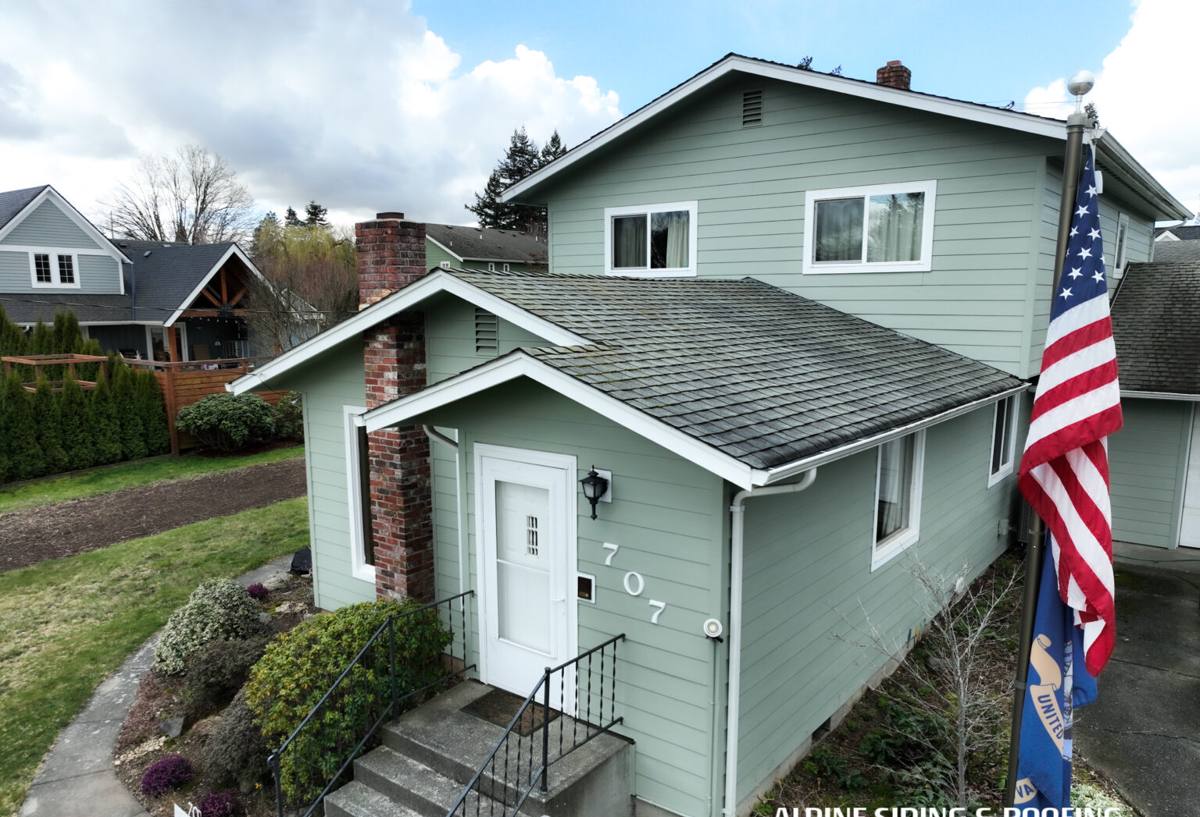
What Blaine's Coastal Climate Actually Does to a Roof
It's worth understanding the mechanics, because it explains why some roofing shortcuts that hold up fine in a dry inland climate fail faster out here.
Salt Air and Metal Components
Every asphalt shingle roof depends on metal in places most people never think about — drip edge, step flashing, valley metal, pipe boots, nail heads. Standard galvanized steel corrodes faster in salt-laden coastal air than it does further inland. Once flashing starts to rust and pit, it stops shedding water cleanly, and that's usually where a roof starts leaking long before the shingles themselves are worn out.
Wind-Driven Rain and Underlayment
Rain that comes in at an angle off the water pushes water sideways under shingle tabs and up under flashing laps, not just straight down the slope. A roof built for this needs underlayment and flashing details sized for wind-driven rain, not just gravity drainage. This matters most at valleys, roof-to-wall transitions, and anywhere a chimney or skylight breaks up the roof plane.
Moss, Shade, and Slow-Drying Roofs
Custer's tree cover and long damp season mean north-facing and shaded slopes can stay wet for days after a storm. Moss and lichen take hold in that environment, and once established they hold moisture directly against the shingle surface and work their way under tabs and around nail heads. Left alone long enough, moss doesn't just look bad — it shortens the life of the roof underneath it.
Choosing the Right Shingle for This Climate
Not every asphalt shingle product is a good match for a shaded, salt-air, high-rainfall property. A few factors matter more here than they would in a drier region.
Wind and Impact Rating
Look for a wind rating that reflects actual local gusts, not just a manufacturer's minimum listing. Higher wind-rated shingles use more sealant strip and a stronger nailing pattern, which also happens to help them resist the lifting and prying action of wind-driven rain.
Algae-Resistant (AR) Granules
Most quality shingle lines now offer an algae-resistant granule option, usually built around copper or zinc compounds mixed into the granules. On a shaded Custer roof, this is not a cosmetic upgrade — it's a practical one that slows the black streaking and moss colonization that plain granules invite within a few years.
Matching the Product to the Roof, Not the Other Way Around
We install several manufacturer lines rather than pushing one brand on every job. The right call depends on the roof's pitch, sun exposure, tree cover, and your budget — a heavily shaded, low-slope section of roof deserves a different spec than a sunny, steep, wind-exposed one on the same house.
| Shingle Tier | Typical Lifespan | Wind Rating | Moss/Algae Resistance | Relative Cost |
|---|---|---|---|---|
| 3-Tab | 15–20 years | Lower end of standard | Basic, often no AR granules | Lowest |
| Architectural / Laminate | 25–30 years | Mid to high | AR granules usually available | Moderate |
| Premium / Designer | 30+ years | High | AR granules standard on most lines | Highest |
For most Custer homes, an architectural shingle with algae-resistant granules is the practical middle ground — enough durability and moss resistance to justify the cost without paying for features a modest roof doesn't need.
What a Correct Installation Actually Involves
The shingle brand gets most of the attention, but the layers underneath it do most of the work keeping water out. A correct install for this climate includes:
- Ice-and-water membrane at eaves, valleys, and around penetrations — the spots wind-driven rain and ice dams stress hardest
- Synthetic underlayment across the full deck, lapped and fastened to shed water even if a shingle is ever compromised
- New drip edge and step flashing, not reused metal, since corroded flashing is one of the most common hidden leak sources on older coastal roofs
- Proper nailing pattern and placement — high nails or overdriven nails are a leading cause of early shingle failure and blow-offs
- Balanced intake and exhaust ventilation so the attic isn't trapping moisture under the deck
Skipping any one of these doesn't usually cause an immediate problem — it shows up as a leak two, five, or ten years later, which is exactly why it's easy for a rushed or inexperienced crew to cut corners without the homeowner ever knowing until the damage is done.
Ventilation and Moisture: Easy to Skip, Hard to Ignore Later
A shingle roof isn't just a surface — it's part of a system that includes the attic underneath it. Without enough intake at the eaves and exhaust at the ridge, warm moist air from inside the home gets trapped against the roof deck. In a climate as damp as this one, that trapped moisture speeds up deck rot, encourages mold, and can shorten shingle life from the underside, where you'd never see it happening. Any reroof is a good time to check that ventilation is adequate, since the deck and old shingles are already exposed.
How Our Process Works for Custer Projects
We keep it straightforward and try not to waste your time or ours:
- Inspection. We look at the whole roof — slopes, valleys, flashing, ventilation, and the attic if accessible — not just the section that's obviously worn.
- Written estimate. You get a clear scope and price before anything is scheduled, with the shingle and underlayment spec spelled out, not left vague.
- Tear-off and deck check. Old roofing comes off down to the deck so we can catch soft or rotted sheathing before it gets covered up again.
- Install. Ice-and-water shield, underlayment, new flashing, shingles, and ventilation components go in per manufacturer spec and local wind conditions.
- Cleanup and walk-through. Site is cleared of debris and nails, and we walk the finished roof with you before calling the job done.
A Moss-Season Roof Checklist for Homeowners
Between full reroofs, a few habits go a long way toward getting the full lifespan out of an asphalt shingle roof in this climate:
- Clean gutters at least twice a year — clogged gutters back water up under the eave edge
- Trim back tree limbs that shade the roof or drop debris onto it, since shade and debris both feed moss growth
- Look for moss or dark streaking on north-facing slopes each fall, before winter rains set in
- Check granules collecting in gutters or downspouts — heavy granule loss signals aging shingles
- Have flashing and pipe boots inspected every few years, since these fail before the shingle field usually does
- Avoid pressure-washing the roof — it strips protective granules and can force water under shingles
Signs Your Roof Needs a Repair — or a Replacement
Not every issue means a full reroof. Isolated flashing leaks, a handful of wind-lifted shingles, or a damaged pipe boot are usually repairable on their own. A full replacement makes more sense once you're seeing shingle curling or cracking across large areas, granule loss down to bare mat, soft spots in the decking, or repeated leaks in different spots each winter. We'll tell you honestly which category your roof falls into rather than defaulting to the bigger job.
Why Hire a Crew That Already Works Custer and Blaine
Roofing specs written for a dry inland climate don't automatically hold up here, and a crew that hasn't worked Whatcom County's coastal conditions may not think twice about flashing details, ventilation balance, or moss-prone shading that a local crew treats as routine. Working this area regularly also means knowing what typical roof ages, pitches, and exposure patterns look like on homes around Custer and Blaine, which makes for a faster, more accurate inspection and a quote that reflects what your roof actually needs rather than a generic package.
If your roof is showing moss, granule loss, or you just want an honest read on how much life is left in it, we're happy to take a look. The form below gets you a free, no-pressure estimate — no obligation either way.