 Blaine
 Exterior Work for Everson Homes
Everson sits along the Nooksack River in Whatcom County, a few miles inland from the coastal fog and wind that hit Blaine directly, but still squarely inside the same wet, marine-influenced weather pattern that defines exterior maintenance across this part of the county. Homes here deal with long stretches of driving rain, high ambient humidity off the river valley, and a moss and algae season that can run eight or nine months out of the year on north-facing walls and shaded roof lines. We work throughout Whatcom County, and Everson is part of our regular service area for siding, roofing, windows, and decks.
This page covers what local conditions actually do to exterior materials, how our process works for homeowners in Everson, and why our company made the decision years ago to install only one siding product rather than offer the full menu of options most contractors carry.
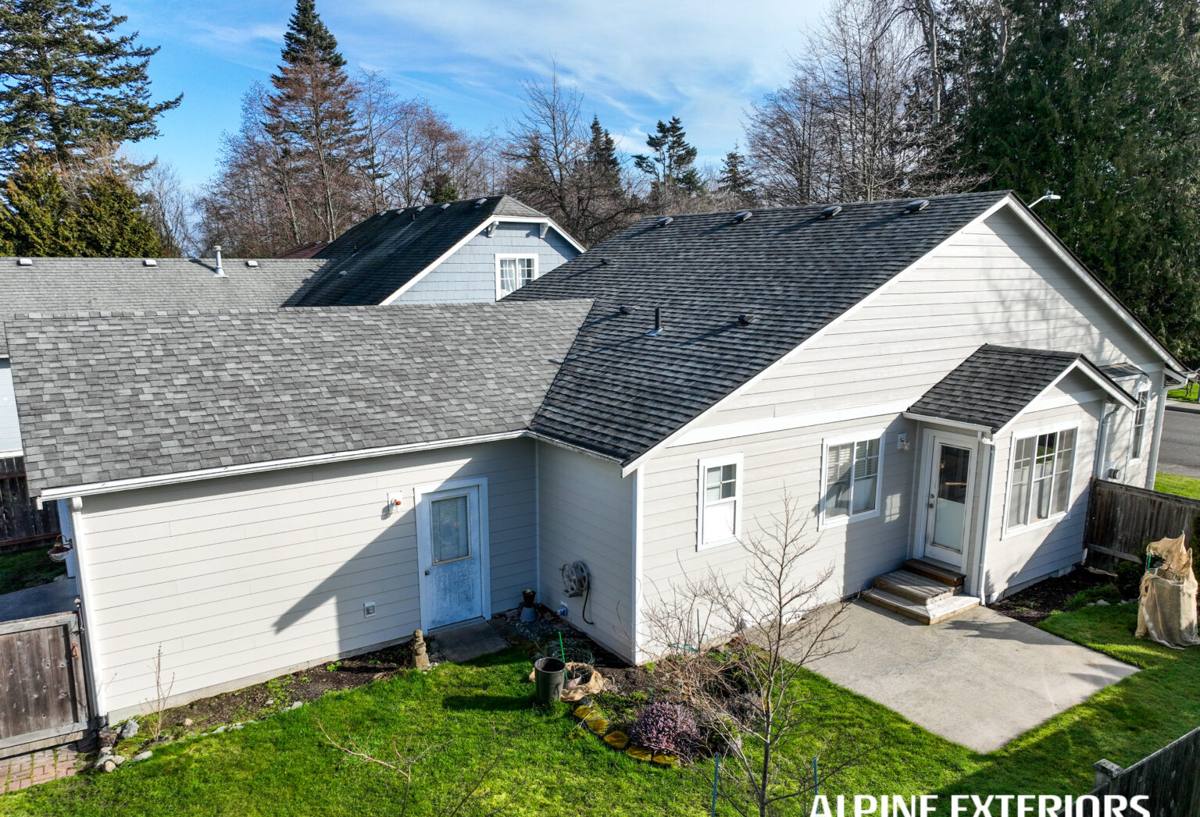
What Everson's Climate Does to a House
Driving Rain and Wind-Driven Moisture
Everson doesn't get the direct salt exposure that waterfront Blaine properties see, but it gets plenty of the same weather systems moving through — sustained rain events pushed by wind rather than falling straight down. Wind-driven rain finds every weak seam, gap, and fastener hole in a wall assembly. Over years, that's what separates siding systems that hold up from ones that don't: not whether they get wet, but what happens to them when they do.
River Valley Humidity
Being close to the Nooksack River means Everson properties often sit in slightly damper, cooler microclimates than homes a few miles away on higher, more exposed ground. Morning fog lingers longer here. That extra ambient moisture is exactly the environment moss, algae, and mildew prefer, and it's why exterior materials that absorb or trap water tend to show problems sooner in this area than they would in a drier inland climate.
Moss and Algae Season
Between the shade from mature trees common on Everson lots and the extended damp season, moss and algae growth on siding and roofing is close to a year-round concern rather than a seasonal one. Shaded north and east walls are usually the first to show green or black staining. This is largely a cosmetic issue on some materials and a much more serious one on others, depending on how the underlying material handles sustained moisture contact.
Why We Install Only James Hardie Fiber Cement
We get asked regularly why we don't offer vinyl, LP SmartSide, or other fiber cement brands like Cemplank or Allura, or traditional primed wood siding. The honest answer is that we used to install a broader range of products, and we kept seeing the same category of callbacks in exactly this kind of climate — moisture intrusion at seams, swelling or delaminating engineered wood, cracked or warped vinyl panels, and repainting cycles that never really stopped. We made a standard: James Hardie fiber cement, installed to the manufacturer's specification, every time.
That's not a claim that every other product is worthless everywhere. Vinyl and engineered wood siding both have legitimate places in drier climates or lower-moisture applications. It's a statement about what performs reliably under Whatcom County's specific combination of driving rain, humidity, and moss pressure, and what we're willing to put our name behind.
How the Common Options Compare
| Material | Moisture Behavior | Maintenance in This Climate | Typical Lifespan Here |
|---|---|---|---|
| Vinyl siding | Doesn't absorb water, but panels warp, gap, and can crack in cold snaps; seams are weak points | Low, but repairs are visible and gaps invite moisture behind the wall | 15–25 years before visible degradation |
| LP SmartSide / engineered wood | Wood-based core is vulnerable to swelling and edge delamination if moisture reaches raw cuts or seams | Moderate to high; failures often show up first at butt joints and bottom edges | Highly installation-dependent; problems often appear inside 10–15 years |
| Primed spruce / cedar | Natural wood movement, rot risk at any paint or caulk failure point | High — repainting and caulk maintenance every few years | Variable; heavily dependent on upkeep |
| James Hardie fiber cement | Cement-based composition doesn't swell, rot, or support moss growth in the material itself | Low — periodic gentle washing, no repainting with ColorPlus finish | Decades, with a strong transferable warranty backing correct installation |
What Hardie Gets Right for This Area
- Non-combustible fiber cement core — no risk of the swelling or softening that engineered wood products can show at cut edges and joints
- ColorPlus factory finish is baked on and warrantied, so painting isn't a recurring maintenance item
- HZ5 and HZ10 product lines are engineered for exactly this kind of freeze-thaw, wet-climate exposure rather than a generic national spec
- Dense, moisture-resistant surface doesn't feed moss and algae the way porous or wood-based materials can
- Strong transferable warranty that follows correct installation practices, which matters if the home sells down the road
How We Install Siding in Everson
James Hardie is only as good as the installation behind it. Fiber cement siding fails prematurely far more often from installation shortcuts — wrong fastener spacing, missing flashing, panels nailed too tight — than from the material itself. Our process for Everson projects follows the same steps every time:
- On-site assessment. We look at existing siding, sheathing condition, moisture history, and how the home's exposure (shade, prevailing wind direction, roof overhangs) will affect long-term performance.
- Water-resistive barrier and flashing. Before a single Hardie plank goes up, the weather barrier and flashing details around windows, doors, and penetrations get done correctly. This is the layer that actually keeps water out of the wall assembly, and it's the step that gets rushed most often on lower-quality jobs.
- Manufacturer-spec installation. Correct fastener type, spacing, and clearance from grade and roof lines, per James Hardie's published requirements — not generic siding practice.
- Trim, caulking, and finish details. Proper joint treatment and factory-finished trim to keep seams tight and consistent.
- Final walkthrough. We go over the finished work with the homeowner before calling the job done.
Roofing, Windows, and Decks
Siding rarely fails in isolation — a roof leak, a failed window seal, or a rotting deck ledger board all send moisture into the same wall assembly a siding replacement is trying to protect. Because we handle all four trades, we can flag issues in one system while working on another instead of leaving a homeowner to coordinate separate contractors.
Roofing
In a climate with this much sustained rain and moss pressure, roof condition directly affects how long any new siding job stays dry underneath. We look at roof age, flashing condition, and moss buildup as part of any siding estimate.
Windows
Old or poorly flashed windows are one of the most common sources of hidden wall moisture behind siding. When we replace siding around aging windows, we flag flashing and seal issues rather than sealing a known problem back up behind new panels.
Decks
Deck ledger connections and any siding immediately around a deck attachment point are a frequent moisture entry area in this climate. We build and repair decks with the same attention to water management we apply to siding and roofing work.
What Affects Cost
Every Everson property is different, and we don't quote blind — but these are the main factors that move a siding project's cost up or down:
| Factor | Why It Matters |
|---|---|
| Home size and wall complexity | More corners, gables, and trim details mean more labor and material cuts |
| Existing siding removal | Tear-off and disposal of old material adds time versus a bare or already-stripped wall |
| Sheathing and moisture damage found underneath | Rot repair discovered once old siding comes off is common in this climate and needs to be addressed before new siding goes on |
| Hardie product line and profile | Lap siding, shingle-style panels, and board-and-batten carry different material and labor costs |
| Trim and accent work | Custom trim details around windows, corners, and gables add labor time |
Choosing a Contractor in Whatcom County
Everson is a smaller community, and word of mouth matters here more than in a big metro area. A few things worth checking before hiring anyone for exterior work:
- Confirm active Washington state contractor licensing and current insurance — ask for the license number and verify it directly rather than taking a business card at its word
- Ask specifically whether the crew installing your siding is manufacturer-trained on the product being used, not just generally experienced with siding
- Get the warranty terms in writing — both the material manufacturer's warranty and the installer's workmanship warranty are separate things and both matter
- Ask how they handle flashing and water-resistive barrier details — a contractor who can explain this clearly is usually one who takes it seriously
- Check whether estimates include tear-off, disposal, and any anticipated sheathing repair, or whether those are likely to show up as change orders later
Maintaining Siding Once It's Installed
Fiber cement siding is low-maintenance compared to the alternatives, but "low-maintenance" isn't "no-maintenance," especially with Everson's moss and algae exposure. A gentle rinse with a garden hose once or twice a year, keeping gutters clear so water doesn't sheet down walls, and trimming back vegetation that keeps siding shaded and damp will keep a Hardie installation looking and performing the way it should for decades. Because the ColorPlus finish is factory-applied and warrantied, repainting isn't part of that routine the way it is with wood siding.
Get a Free, No-Pressure Estimate
If you're weighing a siding, roofing, window, or deck project on an Everson property, we're glad to come take a look, walk through what we're seeing, and give you a straightforward estimate — no pressure, no hard sell. Use the form below to get started.