 Blaine
 Roof Repair Built for Custer's Weather, Not a Generic Climate
Custer sits close enough to the water and far enough north that its roofs take a different beating than roofs a hundred miles inland. Salt-laden air off the Strait, driving rain that comes in sideways during winter storms, and a moss season that can run most of the year all work on a roof at the same time. A repair that holds up in a drier, calmer climate doesn't always hold up here. When we repair a roof in Custer, we're accounting for all three factors at once, not just patching what's visible.
This page covers roof repair specifically for homes in and around Custer — what the local climate does to roofing materials, what a correct repair actually involves, how our process works, and why it matters to hire a crew that already knows this area rather than one working from a general playbook.
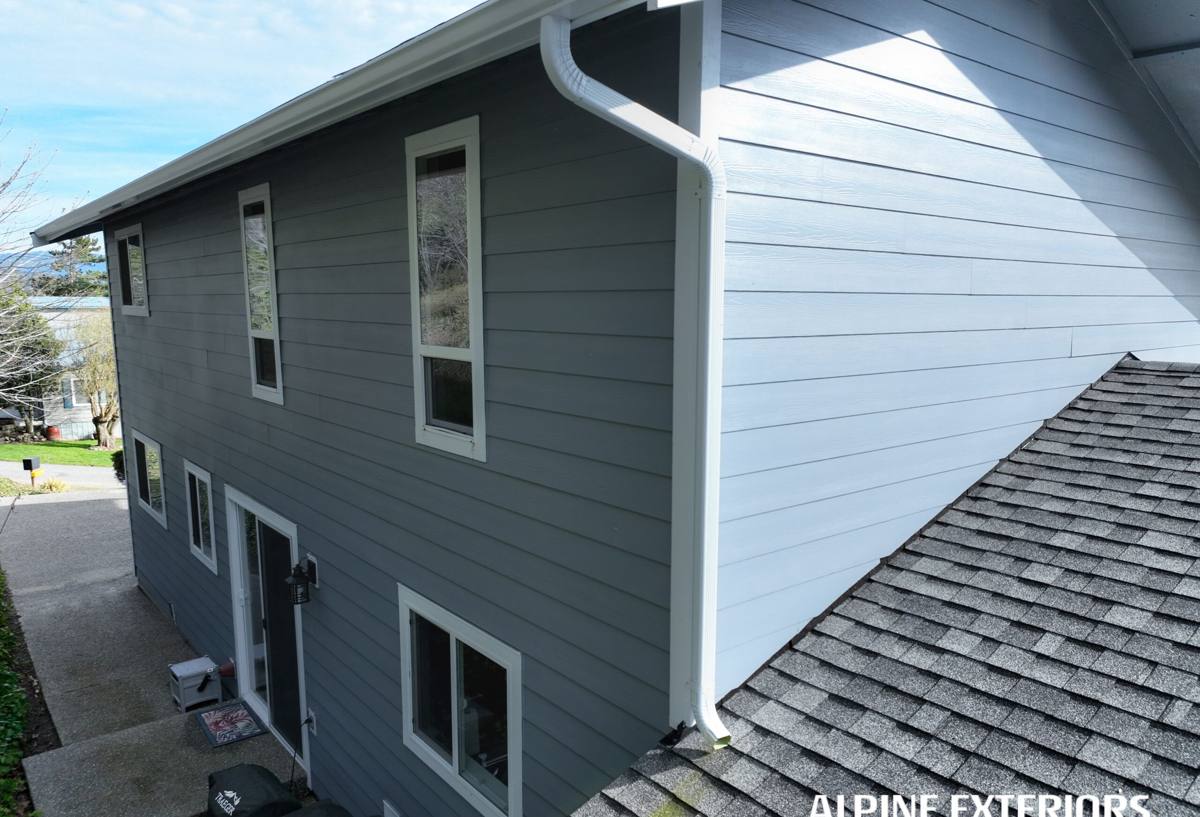
What Salt Air, Driving Rain, and Moss Actually Do to a Roof
Salt Air and Metal Fatigue
Airborne salt accelerates corrosion on anything metal — flashing, fasteners, vent caps, gutter hardware. It's slow and easy to miss because the shingles above often look fine while the metal underneath is quietly breaking down. Once flashing corrodes or fasteners back out, water finds a way in even though the roof "looks" intact from the ground.
Driving Rain and Wind-Driven Intrusion
Whatcom County storms don't just drop rain straight down — wind pushes it sideways and up under shingle edges, at valleys, and around anything that penetrates the roof deck (vents, chimneys, skylights). Standard nailing patterns and flashing details that work fine in calmer weather can leak here if they're not built with wind-driven rain specifically in mind.
Moss and Moisture Retention
Shade, humidity, and a long wet season give moss plenty of time to establish itself, especially on north-facing slopes and anywhere debris collects. Moss doesn't just look bad — it holds moisture against the roofing material, lifts shingle edges as it grows, and keeps the deck underneath damp far longer than it should stay. That constant dampness is what eventually leads to rot, not any single storm.
Signs a Custer Roof Needs Repair, Not Just a Look
Most roof damage in this climate doesn't announce itself with an obvious leak right away. By the time water is visibly dripping inside, it's often been getting in for a while. Here's what we tell homeowners to watch for between inspections:
- Granules collecting in gutters or at downspout outlets — a sign shingles are wearing thin
- Dark streaking or thick moss growth, especially on shaded or north-facing slopes
- Curling, cracked, or lifted shingle edges, particularly along ridges and rake edges
- Rust staining or visible corrosion around flashing, vent boots, or exposed fasteners
- Soft or discolored ceiling spots, especially near chimneys, skylights, or exterior walls
- Daylight visible through the attic decking, or damp insulation during an attic check
- Gutters or downspouts holding standing water instead of draining freely
Any one of these on its own might be minor. Two or three together usually mean water has already gotten past the surface layer.
Common Repair Needs We See on Custer Homes
The specific repair a roof needs depends on its age, slope, material, and how much shade and salt exposure it gets. These are the issues that come up most often on jobs in this area:
| Issue | Local Cause | Typical Fix |
|---|---|---|
| Leaking around chimneys or vent pipes | Corroded or under-built flashing meeting wind-driven rain | Remove and rebuild flashing with proper step and counter-flashing |
| Moss buildup on shaded slopes | Long wet season, limited sun exposure | Careful removal, treatment, and a plan to slow regrowth |
| Soft or rotted decking | Prolonged moisture from moss or a slow leak | Cut out and replace affected decking before re-covering |
| Rusted fasteners or hardware | Salt air corrosion over time | Replace with corrosion-resistant fasteners rated for coastal exposure |
| Lifted or missing shingles after storms | Wind-driven rain and gusts off the water | Re-secure or replace damaged shingles, reinforce exposed edges |
| Interior staining near valleys | Valley flashing overwhelmed by heavy rain volume | Rebuild valley with wider flashing and proper underlayment lap |
What a Correct Roof Repair Actually Involves
Diagnosis Before Any Work Starts
A repair is only as good as the diagnosis behind it. We trace leaks back to their actual entry point rather than just patching the spot where water showed up inside — those two locations aren't always the same, especially with valley or flashing leaks that can travel along the decking before dripping through.
Matching Materials and Technique
Flashing, underlayment, and fasteners all need to match the demands of this climate, not just the existing roof's appearance. That means corrosion-resistant metal and fasteners rated for salt exposure, underlayment installed with proper laps for wind-driven rain, and shingle tie-ins that blend with the surrounding roof rather than standing out as an obvious patch.
Checking Ventilation, Not Just the Surface
A roof that's constantly damp from poor attic ventilation will keep growing moss and wearing out faster no matter how good the repair is. Where ventilation is part of the problem, we say so — a patch on a poorly ventilated roof is a repair that doesn't last.
Our Process for Custer Roof Repair Jobs
- Inspection and honest assessment. We walk the roof (or use a ladder and closer inspection where walking isn't safe), check the attic if accessible, and identify every contributing issue — not just the symptom that prompted the call.
- Clear estimate. You get a written scope of work and price before anything is touched, including whether we think repair is the right call or if the roof is closer to needing replacement.
- The repair itself. We remove and rebuild the affected area properly — flashing, decking, underlayment, and shingles as needed — rather than layering new material over a compromised area.
- Cleanup and check-in. Debris and old material are hauled off, and we walk you through what was done and what to watch going forward.
Repair or Replacement? How We Help You Decide
Not every roofing problem in Custer needs a full replacement, and not every one should be patched. The honest answer usually comes down to a few factors:
| Factor | Leans Toward Repair | Leans Toward Replacement |
|---|---|---|
| Roof age | Under two-thirds of expected material lifespan | Near or past expected lifespan for its material |
| Extent of damage | Isolated to one area (a valley, a chimney, one slope) | Widespread across multiple slopes or repeated trouble spots |
| Decking condition | Solid, dry decking under the damaged area | Soft or rotted decking in multiple locations |
| History | First repair needed in several years | Repeat repairs in the same general areas |
We'll tell you plainly which side of that line your roof falls on. A repair that's likely to fail again within a year or two isn't a good use of your money, and we won't sell it to you as one.
Why a Crew That Already Works Custer Matters
General roofing knowledge only gets you so far here. A crew that regularly works Custer and the surrounding Whatcom County area already knows which slopes tend to hold moss longest, how far wind-driven rain typically travels up under an eave in a coastal storm, and which flashing details actually hold up against salt air over years, not just on install day. That local pattern recognition shows up in faster, more accurate diagnoses and repairs that are built for the conditions your roof will actually face — not a generic set of specs.
It also means realistic timing. Moss removal and certain repair work are better scheduled around this area's wetter and drier stretches, and a crew familiar with the region plans around that instead of working against it.
Keeping a Repaired Roof in Good Shape
A good repair buys you time, but a little maintenance stretches that time much further in this climate:
- Keep gutters and downspouts clear so water doesn't back up under shingle edges
- Trim back overhanging branches to cut down on shade and debris that feed moss growth
- Have moss treated before it establishes heavily rather than after it's thick and rooted in
- Schedule a roof check after major windstorms, not just once a year
- Address small leaks and lifted shingles quickly — they rarely stay small in this climate
If you're seeing signs of trouble on a Custer roof, or just want an honest read on whether repair or replacement makes more sense, we're happy to take a look. The estimate is free, there's no pressure attached to it, and you'll get a straight answer either way — just fill out the form below to get started.