 Blaine
 Roofing in Ferndale Takes a Different Kind of Punishment
Ferndale sits close enough to the Strait of Georgia and Bellingham Bay that homes here deal with a roofing environment that's tougher than what you'd find twenty miles inland. Salt-laden air off the water accelerates corrosion on fasteners, flashing, and exposed metal. Driving rain off Pacific storms doesn't just fall straight down — it gets pushed sideways under wind, which means roof details that would be fine in a calmer climate (loose flashing laps, undersized underlayment overlaps, poorly sealed penetrations) become active leak points here. And then there's moss. Whatcom County's damp, shaded, mild-winter climate gives moss a long growing season, and moss doesn't just look bad — it holds moisture against the roof surface, lifts shingle edges, and works its way into seams over years.
None of this means Ferndale homes need exotic materials. It means the roof needs to be built and installed with those three stressors specifically in mind, using a crew that treats them as routine rather than surprises.
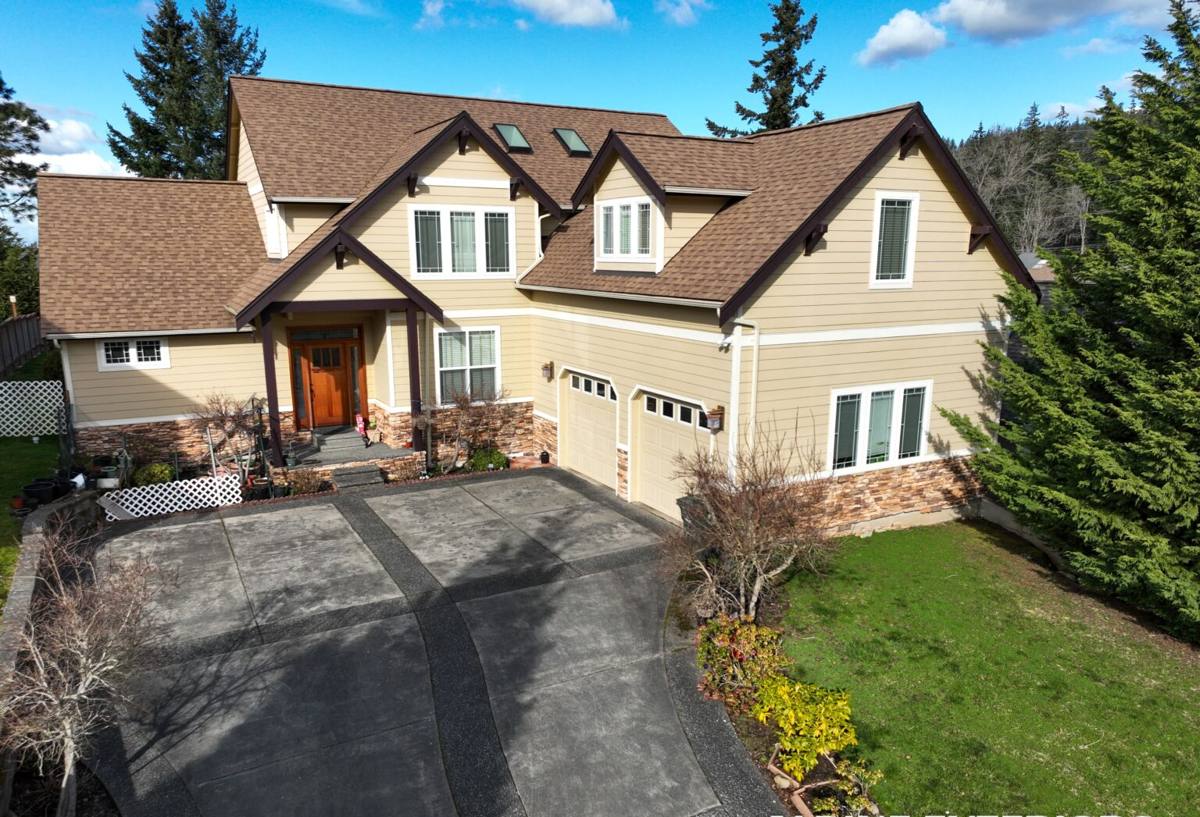
How to Tell When Replacement (Not Repair) Is the Right Call
Not every roof problem in Ferndale means a full replacement. But there are signs that point past patching and toward a full tear-off:
- Granule loss heavy enough that you can see bare asphalt mat on multiple slopes, not just one worn spot
- Shingles that are curling, cupping, or cracking across large sections rather than isolated areas
- Moss growth that's established under the shingle edges, not just sitting on the surface
- Soft spots or sagging in the roof deck when walked, which usually means water has reached the sheathing
- Repeated leaks in different spots each winter, rather than one persistent leak
- A roof at or past the manufacturer's expected service life for this climate, with wind and moss exposure factored in
If a roof is showing one or two of these on a limited area, a targeted repair is usually the honest recommendation. Full replacement makes sense when the wear is spread across the roof or the deck itself is compromised — patching a roof that's structurally past its useful life just delays a bigger repair bill later.
What a Correct Replacement Involves Here
Tear-Off and Deck Inspection
Every proper replacement starts with a full tear-off down to the deck — not a layover on top of old shingles. That's the only way to actually see the sheathing condition, which matters in a climate where slow leaks can rot plywood or OSB long before it shows up as a stain on the ceiling inside. Any soft or delaminated deck sections get cut out and replaced before anything new goes down; this isn't optional in a marine climate where hidden moisture is the norm rather than the exception.
Underlayment Built for Wind-Driven Rain
Given how often Whatcom County storms push rain sideways, underlayment selection and lap direction matter more here than they would in a drier region. We use synthetic underlayment with proper overlap and fastening patterns, and we pay particular attention to valleys, eaves, and any area where wind can drive water uphill under the shingle line.
Ice and Water Shield at Vulnerable Points
Eaves, valleys, and roof-to-wall transitions get self-adhering membrane, not just felt or synthetic underlayment. These are the spots where standing water, ice damming on cold snaps, and wind-blown rain cause the most damage, and they're the cheapest place to over-build relative to the risk they carry.
Flashing That Won't Corrode in Salt Air
Flashing around chimneys, skylights, sidewalls, and roof penetrations is where salt-air corrosion shows up first if the wrong metal or fastener is used. We use flashing and fastener materials chosen for coastal exposure, not just whatever's standard inland, and we replace flashing during a full replacement rather than reusing old pieces — reused flashing is one of the most common causes of early leaks in re-roofs.
Ventilation Sized for the Roof, Not Guessed At
Proper intake and exhaust ventilation keeps the attic dry and temperature-balanced, which does double duty here: it reduces condensation-driven moisture problems in our damp winters, and it slows ice formation at the eaves during cold snaps. Ventilation gets calculated to the roof's actual square footage, not eyeballed.
Material Choices for a Salt-Air, High-Moss Climate
There's no single "best" roofing material for every Ferndale home — the right choice depends on budget, roof pitch, and how the home is used. Here's an honest comparison of the options we install most often in this area:
| Material | How It Handles Salt Air & Moss | Typical Lifespan Here | Trade-Offs |
|---|---|---|---|
| Architectural asphalt shingle | Good with algae-resistant granules; needs periodic moss removal | 20-30 years | Best value; moss maintenance is an ongoing responsibility |
| Standing seam metal | Excellent shedding of moss and moisture; use marine-grade fasteners and coatings near the water | 40-60 years | Higher upfront cost; needs a crew experienced with metal detailing |
| Synthetic/composite shingle | Resists moisture absorption better than wood; low moss retention | 30-50 years | Higher material cost than asphalt; fewer local installers |
| Cedar shake | Attractive but holds moisture and feeds moss growth without diligent upkeep | 20-30 years with maintenance | We're honest that shake carries the highest maintenance burden in this climate |
We don't push cedar shake on homes near the water unless the owner understands and wants the maintenance commitment — it's a good-looking product, but this specific climate is hard on it, and that's a trade-off worth spelling out up front rather than after the sale.
Our Process, Start to Finish
- On-site inspection. We walk the roof (or use a drone where pitch or access makes that safer) and check the attic from inside, looking at deck condition, ventilation, and existing damage.
- Written estimate. You get a clear scope of work and pricing before anything is scheduled — no surprise change orders for things we could have caught during inspection.
- Material selection. We walk through the options above based on your budget, roof style, and how long you plan to be in the home.
- Scheduling around weather. Whatcom County's wet season narrows the practical installation window, so we plan tear-off days around forecasts to keep your home protected.
- Tear-off and deck repair. Old roofing comes off, the deck gets inspected, and any compromised sheathing is replaced before new materials go down.
- Installation. Underlayment, ice-and-water membrane, flashing, and roofing material go in per manufacturer specs and the coastal-specific details above.
- Final walkthrough. We review the finished roof with you, including care and moss-prevention basics, before calling the job done.
Moss Management Isn't a One-Time Fix
A new roof resets the clock, but it doesn't make Ferndale immune to moss. Homes shaded by fir and cedar trees, or on north-facing slopes that stay damp longer after rain, will see moss return over time no matter what material is installed. What changes with a correctly installed roof is how much damage that moss can do before it's addressed — proper flashing, underlayment, and shingle installation mean moss sitting on the surface is a cosmetic and maintenance issue, not a leak risk, as long as it's kept from establishing under shingle edges. Periodic gentle cleaning (not pressure washing, which can strip granules) and keeping gutters clear go a long way.
What to Check Before Hiring a Roofing Contractor Here
A roof replacement is a significant investment, and the quality of the installation matters more than the brand of shingle on top of it. Before hiring anyone for a Ferndale roof replacement, it's worth confirming:
- Washington state contractor license and current liability insurance, verifiable through the state's licensing lookup
- Manufacturer certification for the specific product line being installed, if warranty coverage depends on it
- A written estimate that spells out tear-off, deck repair contingencies, underlayment type, flashing materials, and ventilation — not just "new roof, one price"
- Local experience with coastal Whatcom County conditions specifically, not just general roofing experience
- A clear answer on who handles disposal of the old roofing material and cleanup
Any contractor who's reluctant to put the scope of work in writing, or who can't explain why they're recommending a specific underlayment or flashing approach for a home this close to the water, is worth a second look before you sign anything.
Why a Crew That Already Works Ferndale Matters
A roofing crew that regularly works Whatcom County's coastal edge already knows which flashing metals hold up, how far inland the salt-air effect actually reaches, and which roof orientations in this area tend to hold moss longest. That's the difference between a roof installed to a generic spec sheet and one installed for the conditions it will actually face over the next few decades. It also means faster response if something does come up after installation — a local crew isn't juggling a service area that stretches across multiple counties.
Get a Free, No-Pressure Estimate
If your Ferndale-area roof is showing wear, or you just want an honest read on how much life it has left, we're happy to take a look. The estimate is free, there's no pressure to commit on the spot, and you'll get a clear, written scope of work before any decision needs to be made. Use the form below to get started.