 Blaine
 Why Grandview Homes Need Windows Built for This Climate
Grandview sits close enough to the water and open farmland around Blaine that homes here take a steady beating from weather most inland Washington neighborhoods never see. Salt-laden air drifts in off the Strait of Georgia and Semiahmoo Bay, driving rain comes in sideways for weeks at a stretch, and the region's long, damp winters keep everything from window sills to weep holes wet far longer than a typical seasonal forecast would suggest. Windows that work fine in a drier climate often start failing here within a few years — swollen sashes, fogged glass, black streaking on frames, and drafts that show up right around the time your heating bill does.
Custom windows aren't about upgrading to something fancier than you need. They're about matching the window to the actual conditions on your house: the compass direction each wall faces, how exposed the wall is to wind-driven rain, how much sun the glass takes in summer, and how the opening was framed in the first place. A production-line window ordered off a big-box shelf is built to a generic size and a generic climate zone. A custom window is built to fit your opening exactly and perform in Whatcom County's specific weather, not just "the Pacific Northwest" in general.
What "Custom" Actually Means Here
For most Grandview homes, custom doesn't mean an unusual shape or a designer look — though we do that too. More often it means precise field measurements instead of nominal sizes, frame materials chosen for how they'll hold up against salt and moisture rather than just price, and glass packages matched to whether a room faces the prevailing weather or sits more sheltered. Getting these details right the first time is cheaper than replacing a window twice.
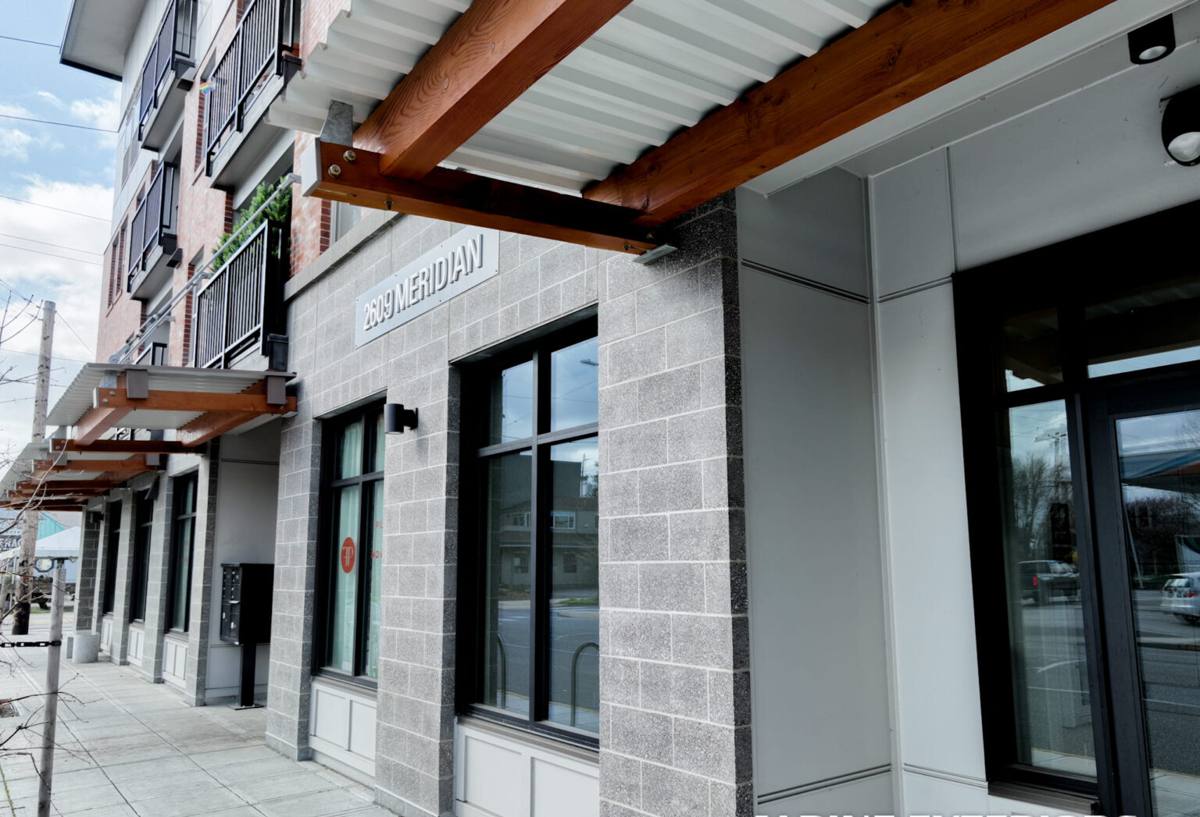
What Salt Air and Driving Rain Do to the Wrong Window
Salt air is corrosive to certain metals and hardware, and it accelerates the breakdown of some finishes faster than manufacturers' standard warranties account for. Combine that with the driving rain that hits west- and southwest-facing walls in Grandview during winter storms, and you get water intrusion at any point where flashing, sealant, or the window unit itself wasn't installed with this exposure in mind. The most common failure points we see on homes in this area are:
- Corroded or pitted hardware — locks, hinges, and balances — on windows facing open exposure to the water
- Water staining or soft wood below sills where flashing was skipped or done wrong during the original build
- Fogged or clouded double-pane glass from a failed seal, usually starting on the most weather-exposed side of the house first
- Sashes that swell and stick in winter, then dry out and rattle in summer, from moisture cycling in and out of the frame material
- Moss and dark algae streaking on sills and lower sashes that holds moisture against the frame longer than plain rain would
None of these are signs of a "bad batch" of windows. They're what happens when a window built for average conditions meets Whatcom County's above-average moisture load year after year.
Choosing the Right Frame Material for This Exposure
Frame material is the single biggest factor in how a window holds up here, and it's worth spending real time on before glass style or grid pattern. Here's how the common options compare specifically for a wet, salt-influenced coastal climate like Grandview's:
| Frame Material | Moisture Resistance | Maintenance | Typical Fit for Grandview |
|---|---|---|---|
| Vinyl | Good — won't rot, low water absorption | Low — occasional cleaning | Solid all-around choice; verify weatherstripping quality on exposed walls |
| Fiberglass | Very good — dimensionally stable in wet/dry cycling | Low | Strong option for the most weather-exposed elevations |
| Wood (untreated exterior) | Poor without diligent upkeep — absorbs moisture, prone to rot near salt air | High — regular refinishing | Best reserved for interior-facing or well-sheltered openings, or wood-interior/clad-exterior units |
| Wood-clad (aluminum or vinyl exterior) | Good on the exterior face; interior wood still needs some care | Moderate | Good compromise when a wood interior look is wanted |
| Aluminum | Fair — can corrode in salt air without a marine-grade finish | Moderate — watch for pitting over time | Only recommended here with a coastal-rated finish and careful hardware selection |
We steer most Grandview clients toward vinyl or fiberglass for their exterior-facing windows, not because other materials are inferior products in general, but because plain wood and standard-finish aluminum carry a real maintenance burden in this specific climate that most homeowners don't want to sign up for. If you love the look of wood, a clad unit gets you that appearance with the exterior durability this weather demands.
Glass Packages That Actually Earn Their Keep
Double vs. Triple Pane
Double-pane, argon-filled, low-E glass is the baseline we'd recommend for any Grandview home today — it's a meaningful step up from older single-pane or early double-pane units in both comfort and condensation resistance. Triple-pane glass adds further insulating value and can help on walls that take the brunt of winter wind, though it comes at a higher cost and added window weight, which matters for larger openings and older frame structures.
Low-E Coatings and Sun Exposure
Low-E coatings aren't just an energy-bill feature. They also cut down on the way strong low-angle sun bakes trim and interior finishes near south- and west-facing glass. For rooms that get direct afternoon sun, we'll typically discuss coating options that balance winter heat retention against summer glare and heat gain, rather than defaulting to one spec for the whole house.
Condensation and Ventilation
In a climate this damp, interior condensation on glass is common in winter regardless of window quality — it's a humidity and ventilation issue as much as a window issue. Well-fitted, properly sealed custom windows reduce it substantially compared to old, leaky units, but we're upfront that no window eliminates it entirely if a home's ventilation isn't also doing its part.
Our Installation Process
- On-site assessment — we look at each opening individually, checking framing condition, existing flashing, and how exposed that particular wall is to wind and rain
- Precise field measurements — every window is measured to the actual opening, not ordered off a standard size chart
- Material and glass selection — we walk through frame and glass options against your budget and each wall's real-world exposure
- Removal and opening prep — old units come out carefully, and we inspect the sill and framing underneath for hidden moisture damage before anything new goes in
- Flashing and weatherproofing — this step is where most window failures in this area actually originate, so we treat it as non-negotiable, not an afterthought
- Window setting and shimming — units are set level, plumb, and square, then shimmed and fastened per manufacturer spec
- Sealing and finish work — interior and exterior sealing, trim, and a final operation check on every sash
- Walkthrough — we go over care and operation with you before calling the job done
Skipping or rushing the flashing and prep steps is exactly how a brand-new window ends up with a rot problem five years later. It's also the step that's invisible once trim goes back on — which is precisely why it deserves the most attention, not the least.
Signs Your Current Windows Are Already Losing the Fight
- Sashes that stick shut in cold, wet months and loosen up again in summer
- Visible fogging or moisture trapped between panes on any window
- Soft, discolored, or spongy wood at the sill or lower frame corners
- Persistent moss or dark streaking on sills that keeps coming back after cleaning
- A noticeable draft near the frame edge on windy, rainy days
- Corrosion or stiffness in locks and cranks, especially on the most exposed side of the house
- Higher heating bills than neighboring rooms with similar square footage would suggest
Any one of these on its own might just need a repair. Several of them together, especially on the same wall, usually points to a window that's reached the end of what caulk and weatherstripping can fix.
What Drives Cost on a Grandview Window Project
| Factor | Why It Matters Here |
|---|---|
| Frame material | Fiberglass and clad-wood cost more upfront than vinyl but reduce long-term maintenance in salt air |
| Glass package | Triple-pane and specialty coatings add cost but pay off most on exposed, weather-facing walls |
| Number of exposed vs. sheltered walls | Not every window needs the top-tier spec — sheltered walls can often use a more standard package |
| Condition of existing framing | Hidden rot or moisture damage found during removal adds repair scope before new windows go in |
| Window size and count | Larger openings and full-house replacements bring per-unit costs down versus one-off jobs |
We give a straightforward range during the estimate rather than a single number upfront, because the honest answer depends on what we find once the old windows come out — particularly on older Grandview homes where hidden moisture damage isn't visible until the wall is opened up.
Why Hiring a Crew That Already Works Grandview Matters
A contractor who's worked other jobs around Blaine already knows which walls in this neighborhood tend to take the worst of the winter storms, what the older housing stock's original flashing details typically look like once opened up, and which frame materials hold up versus which ones become a maintenance headache within a few winters. That's not something you can fully substitute with a generic install checklist. It shows up in small decisions — how much extra attention a west-facing wall gets, whether hardware gets a closer look for early corrosion, how sealant is detailed around a sill that's clearly seen years of standing water.
It also means fewer surprises. We're not guessing at how Whatcom County's rain and salt air behave on a house — we're applying what consistently holds up on homes just like yours in this same area.
Maintenance That Keeps New Windows Performing
Even the right window benefits from basic upkeep in this climate. Rinse sills and tracks periodically to keep salt residue and moss spores from building up, check weep holes each fall to make sure they're clear before winter rain arrives, and inspect exterior caulking annually since UV and moisture cycling break it down faster here than in drier regions. None of this is heavy maintenance — it's a few minutes, a couple times a year — but skipping it is how even a well-installed window loses years off its service life.
If your Grandview home has windows showing any of the wear signs above, or you're planning ahead for a remodel, we're happy to come take a look and give you a straightforward, no-pressure estimate — just fill out the form below.