 Blaine
 Siding Built for Birch Point's Waterfront Exposure
Birch Point sits on the water near Blaine, in the northern reach of Whatcom County, and that shoreline position shapes how hard the exterior of a house has to work here. Homes in this area take a steady dose of salt-laden marine air, absorb driving rain that comes in sideways off the water during storms, and sit under a moss and mildew season that can run most of the year on shaded or north-facing walls. It's a tougher environment for exterior cladding than most inland parts of the county see, and siding is the system that takes the brunt of it, day in and day out, for decades.
This page is about one thing: James Hardie fiber cement siding, installed correctly, on Birch Point homes specifically. Not a general overview of exterior services, and not a generic siding brochure — what this particular stretch of coastline actually does to a wall system, what a correct Hardie installation looks like in response, and why working this area regularly changes how a crew approaches the job.
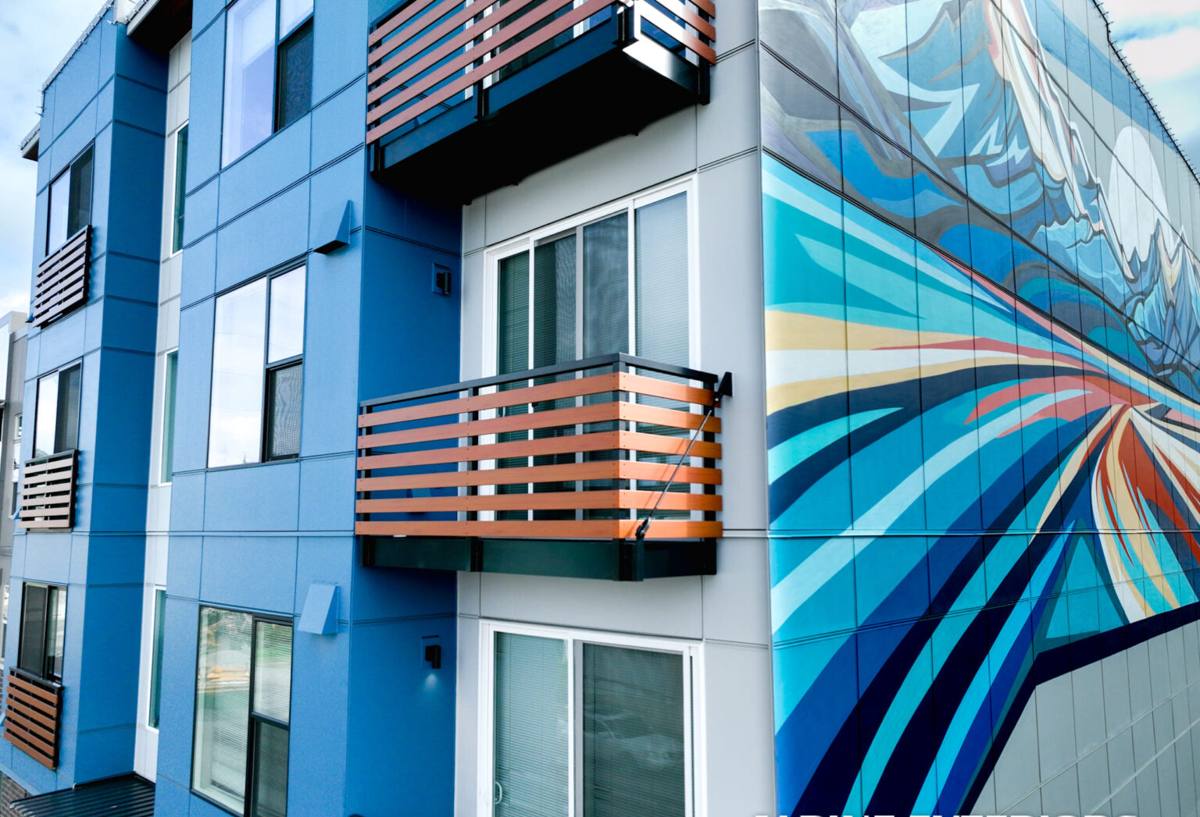
What Salt Air, Rain, and Moss Actually Do to Siding Here
Salt-Laden Air
Being this close to the water means Birch Point homes deal with more direct salt exposure than houses set even a few miles inland. Salt accelerates corrosion in exposed fasteners, flashing, and metal trim, and it breaks down lower-grade paints and coatings faster than a drier climate ever would. Any siding material and any hardware fastening it to the wall needs to be chosen with that corrosion risk in mind from the start — not selected on appearance alone and hoped to hold up.
Wind-Driven Rain
Waterfront exposure also means more wind, and wind-driven rain doesn't fall straight down onto a roof and run off — it gets pushed sideways into siding laps, seams, and the joints around windows and doors. That sideways load is a heavier moisture test than an annual rainfall total suggests, and it's exactly the kind of exposure that finds gaps in a loose or rushed installation. A siding job that would hold up fine in a calm, sheltered location can fail here specifically because water gets driven in from the side, not just from above.
A Long Moss and Mildew Season
Mild temperatures, shade, and near-constant moisture add up to a moss and mildew season that runs long on this part of the coast. Shaded walls, north-facing elevations, and anything under tree cover are usually first to show it. Any siding material that's even slightly porous, or that holds moisture against the substrate instead of shedding it, becomes a growth surface over time — and once moss and mildew take hold, they hold moisture against the wall even longer, compounding the problem.
Why We Only Install James Hardie Siding
We used to install a wider range of siding products. We don't anymore, and the reason isn't a supplier relationship or a sales pitch — it's what we kept seeing on service calls and tear-offs in exactly this kind of salty, wet, moss-prone climate. We won't install LP SmartSide, vinyl siding, Cemplank, Allura, primed spruce, or cedar. Each of those has a legitimate place in the market, and homeowners elsewhere are satisfied with them. But on a shoreline exposure like Birch Point, we made a professional call that we'd rather stand fully behind one system than offer a cheaper option that shifts long-term maintenance risk onto the homeowner.
- Non-combustible core: Fiber cement doesn't feed a fire the way wood-based siding can, which matters for safety and can matter for insurance as well.
- Factory-applied ColorPlus finish: Color is baked on in multiple coats under controlled factory conditions rather than brushed or sprayed on site, and it holds up far longer against fading, chalking, and moisture intrusion than field-applied paint.
- Climate-engineered HZ5 formulation: Homes in this region get James Hardie's HZ5 product line, engineered specifically for high-moisture, high-humidity climates with freeze-thaw cycling — which describes waterfront Whatcom County well.
- Dimensional stability: Fiber cement doesn't swell, warp, or cup the way wood and engineered-wood products can after repeated wetting and drying over a wet season.
- Strong transferable warranty: James Hardie backs the product with one of the more robust warranty structures in the industry, provided installation follows their published specifications.
None of that is a guarantee against a bad installation. Fiber cement only performs the way it's engineered to when it's put on correctly — which is most of what the rest of this page is about.
Choosing the Right Hardie Product Line for a Birch Point Home
James Hardie makes several distinct siding profiles, and the right choice for a given home depends on its architecture, exposure, and the look the homeowner wants — not a one-size-fits-all default.
HardiePlank Lap Siding
The most common choice for full-home applications, HardiePlank comes in several width and texture options, from smooth modern profiles to more traditional cedar-textured looks. It's the workhorse product for most Birch Point homes, and it's available in the HZ5 formulation this region requires.
HardiePanel Vertical Siding
Used for board-and-batten style walls, gable accents, or a full vertical-siding look. On a waterfront property, vertical panel siding paired with HardieTrim battens can create a strong architectural statement, but it also means more seams and fastener points, so correct installation detail matters even more than it does with lap siding.
HardieShingle
A shingle-profile product for homes going for a coastal or cottage aesthetic, which fits the look a lot of Birch Point properties are going for given the setting. It gives the visual texture of cedar shingle siding without the moisture-absorption and maintenance burden that comes with actual wood shingles this close to the water.
HardieTrim
Corner boards, window and door trim, fascia, and frieze boards — trim is often where a siding job either looks finished and tight or starts showing gaps and water staining first. We use HardieTrim throughout rather than mixing in wood trim that will age and perform differently than the fiber cement field it's installed against.
What Correct Installation Involves on This Coastline
The product only performs to spec if it goes on to spec. On a Birch Point home, that means paying close attention to the details that matter most in a salt-air, wind-driven-rain environment:
- A properly lapped and sealed weather-resistant barrier behind the siding, not house wrap that's stapled up and left with gaps at seams
- Correct fastener type, spacing, and penetration depth per James Hardie's published fastening schedule — corrosion-resistant fasteners matter more here than in a drier inland location
- Proper clearance between the bottom of the siding and grade, roof lines, and decking, so the material isn't sitting in standing water or splash-back
- Rain-screen or drainage-plane detailing behind the panels where the wall assembly calls for it, giving any moisture that does get past the cladding a way to drain and dry
- Flashing correctly lapped at every window, door, and roof-to-wall transition — the points where wind-driven rain most often finds a way in
- Factory-mitered corners or properly caulked joints, using caulk only where Hardie's specification calls for it rather than as a substitute for correct flashing and gapping
- Butt joints and seams staggered and sealed per spec, particularly important on vertical panel and board-and-batten applications with more seams per square foot
Skip any one of those steps and a Hardie installation can still look fine on day one. The problems tend to show up a wet season or two later — moisture staining at a seam, a corner that's started to separate, or paint failure at a joint that wasn't detailed correctly. The material isn't what fails first in those cases; the installation is.
Comparing Siding Materials in Birch Point's Climate
| Material | Moisture Behavior | Maintenance in Salt Air | Typical Longevity Here |
|---|---|---|---|
| James Hardie fiber cement | Dimensionally stable, resists swelling and warping | Low; factory ColorPlus finish resists fading and chalking | 30+ years with correct installation |
| Vinyl siding | Doesn't absorb water but can warp or distort with heat and wind load over time | Low upfront, but seams and fastener points remain exposure risks | Variable; often shorter in high-wind coastal spots |
| LP SmartSide / engineered wood | Wood-based core is moisture-sensitive at cut edges, seams, and fastener holes | Moderate; edge sealing and caulk maintenance are ongoing needs | Depends heavily on installation quality and upkeep |
| Cedar / primed wood | Absorbs and releases moisture readily; prone to cupping and swelling | High; regular refinishing needed in wet, salty air | Shorter without a consistent maintenance schedule |
This isn't a claim that every alternative is unusable — homeowners elsewhere are happy with several of these products. It's why, given what we've seen this specific combination of salt air, wind-driven rain, and moss exposure do to a wall over time, we settled on one system we're willing to fully stand behind.
Color and Design Choices for a Waterfront Property
ColorPlus finishes come in a range of options, and a few practical notes tend to matter most on a home this close to the water. Darker, more saturated colors show dirt and salt residue less than very light colors do between washings, though both hold their pigment well since the finish is factory-cured rather than field-applied. Trim and field color contrast reads differently in the flatter, often overcast light common to this coastline than it does in a rendering or a showroom sample — it's worth looking at physical samples outdoors, in the actual light the house sits in, before finalizing a color. And on homes with more architectural detail — gables, dormers, porch surrounds — mixing a HardiePanel or HardieShingle accent with HardiePlank lap siding on the main walls is a common way to add visual interest without the cost of a fully vertical or fully shingled exterior.
How Our Process Works
We start with an on-site look at the existing siding, walking the full exterior and paying particular attention to how the current system has handled moisture and salt exposure over time — which walls show early wear, where past caulking or patch repairs suggest a recurring leak point, and what the framing and sheathing look like once old siding starts coming off. From there we put together a clear, written scope covering product line, color, trim details, and timeline before any work begins.
During installation, the flashing, fastener, and drainage details covered above are standard practice on every job, not optional upgrades quoted separately. We handle permitting requirements for the project, and we walk the finished exterior with the homeowner before calling the job done, covering what routine care the specific product and color chosen will actually need going forward — which for a correctly installed Hardie exterior is minimal, but not nothing.
Why It Matters That We Already Work Birch Point
A crew that occasionally works this stretch of coastline can still put up a competent wall of siding. But a Birch Point project has variables that don't come up as often on jobs further inland — corrosion-grade fastener requirements from sustained salt exposure, wind-driven rain patterns that stress flashing and seams differently than a sheltered lot does, and a moss season long enough that drainage detailing isn't optional. Working this area regularly means we're not guessing at those requirements on your project. We've seen which installation details actually hold up against this specific combination of exposure, and which shortcuts show up as callbacks a year or two later.
That familiarity also shows up in smaller judgment calls — how much rain-screen detailing a particular elevation needs based on its sun and wind exposure, or being straightforward with a homeowner about what their specific home needs versus what's just an upsell.
A Simple Checklist Before Hiring for Siding Work in Birch Point
- Ask what siding material they install and why, and whether they stand behind it with a written, transferable warranty
- Confirm they carry current Washington contractor licensing and active liability insurance
- Ask specifically how they detail flashing at windows, doors, and roof-to-wall transitions for wind-driven coastal rain
- Ask about fastener type and corrosion resistance, not just the visible siding product
- Get a clear, written scope of work — product line, color, trim, and timeline — before signing anything
Get a Straight Answer About Your Siding
Whether your current siding is showing its age, you're planning ahead for a remodel, or you just want an honest read on what your Birch Point home's exterior actually needs, we're happy to walk the property with you and lay out the options plainly. Reach out below for a free, no-pressure estimate.