 Blaine
 Sandy Point Sits in Its Own Exposure Category
Sandy Point is one of the more exposed residential stretches in Whatcom County. Homes here sit close to open water, which means near-constant salt-laden air, wind-driven rain coming off the Strait, and long stretches of the year when surfaces simply don't get a chance to fully dry out. That combination is harder on exterior materials than what you'd see on a typical inland lot in Blaine or Ferndale, and it shows up fastest on siding, trim, and anything with exposed fasteners.
We work on homes throughout Whatcom County, but Sandy Point gets treated as its own case. The salt exposure changes what hardware we spec, the wind exposure changes how we detail flashing and joints, and the moss and mildew pressure changes what we tell homeowners about maintenance. This page is about what James Hardie fiber cement siding needs to look like when it's installed correctly for this specific stretch of coastline — not a generic rundown of the product.
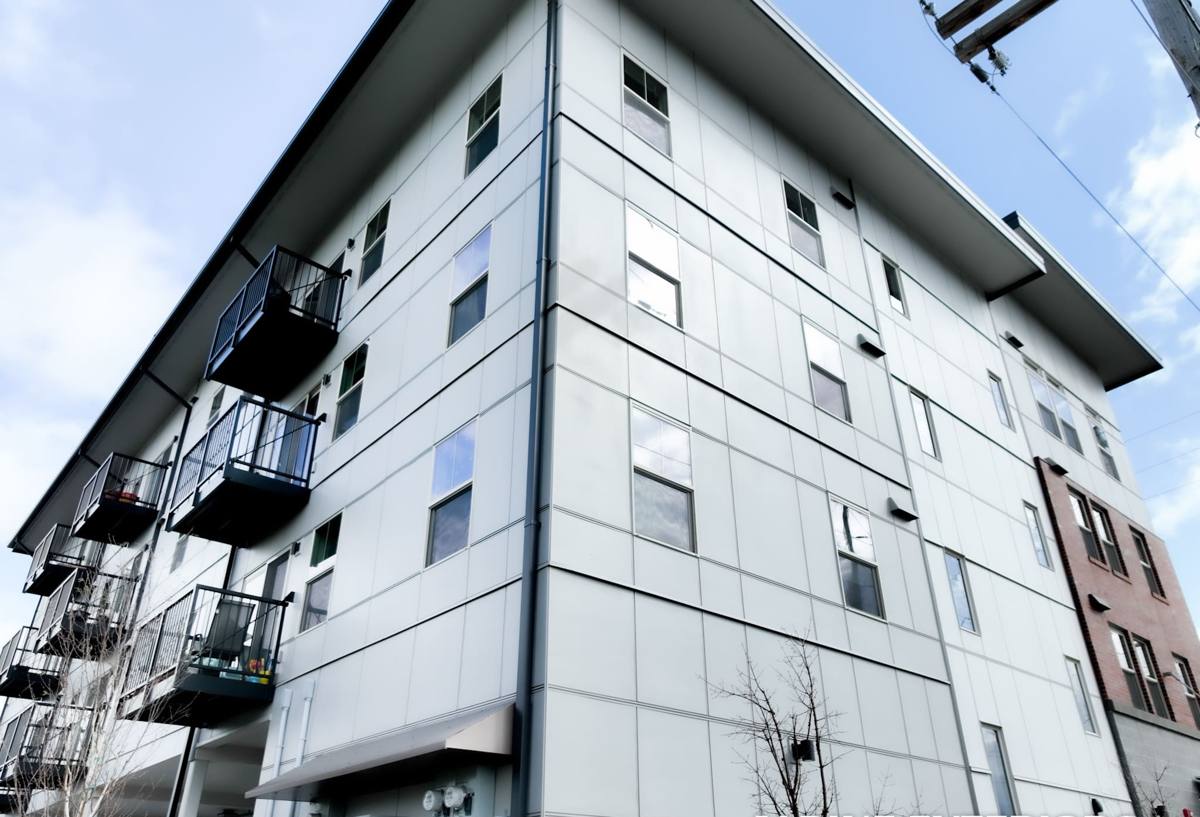
What Salt Air and Driving Rain Actually Do to Siding
It helps to understand the failure modes before talking about the fix. Three things drive most of the damage we see on waterfront-exposed homes in this area:
- Salt-accelerated corrosion. Airborne salt settles on every exterior surface and speeds up corrosion on any fastener, flashing, or hardware that isn't rated for it. Standard fasteners can start showing rust streaks and weakening well before an inland home would see the same wear.
- Wind-driven moisture intrusion. Rain coming off open water rarely falls straight down — it's pushed sideways into the wall assembly. Any gap in flashing, any short lap, any poorly sealed penetration becomes an entry point far more often than it would on a sheltered lot.
- Extended damp periods that feed moss and mildew. Whatcom County's moss season is long to begin with; on a shaded or north-facing wall near the water, surfaces can stay damp for days at a stretch. That's exactly the environment moss, algae, and mildew need to take hold on siding, trim, and butt joints.
None of this means siding is a lost cause in Sandy Point. It means the margin for error in material choice and installation detail is smaller than it is elsewhere, and it's why we don't treat this as a standard siding job.
Why We Install James Hardie Here — Not Alternatives
We install James Hardie fiber cement exclusively, and Sandy Point is one of the clearest examples of why. Hardie's HZ5 product line is engineered specifically for climates with heavy moisture exposure — it resists moisture-related swelling, cracking, and warping far better than wood-based or engineered-wood siding products, which absorb water at cut edges and exposed grain and can start to break down from the inside out.
Fiber cement is also non-combustible, which matters on any home near vegetation or with neighboring structures close by, and the ColorPlus factory finish is baked on under controlled conditions rather than sprayed on-site — meaning it holds color and resists fading and chipping better than field-applied paint, which is a real advantage in a spot where crews can't always get a clean paint day between weather systems. We don't install vinyl, LP SmartSide, or untreated wood siding on any home, but on a lot like this, the case for Hardie over those alternatives is especially direct: less moisture absorption, no rot risk, and a finish that isn't relying on a perfect paint job to hold up against salt air.
How Hardie Handles the Specific Sandy Point Conditions
| Condition | What It Does to Siding | How Hardie's System Responds |
|---|---|---|
| Salt air | Accelerates corrosion on fasteners and hardware; can dull finishes over time | Fiber cement itself doesn't corrode; we pair it with corrosion-resistant fasteners rated for coastal exposure |
| Wind-driven rain | Forces water sideways into laps, joints, and penetrations | Correct lap, flashing, and sealant detailing stop intrusion at the vulnerable points, not just at the face of the wall |
| Extended damp/moss season | Feeds moss, algae, and mildew growth on surfaces and joints | ColorPlus finish resists moisture absorption at the surface, reducing the foothold organic growth needs |
| UV and salt-driven fading | Field-applied paint chalks and fades faster near open water | Factory-cured finish is more UV- and fade-resistant than most site-applied paint systems |
What a Correct Installation Involves on a Lot Like This
The product is only half the equation. Most of the siding failures we get called out to inspect — on any brand — trace back to installation shortcuts, not the material itself. On an exposed waterfront lot, these details matter more than usual:
Drainage and Moisture Management
A proper rainscreen or drainage plane behind the siding gives any moisture that does get past the surface a way to drain and dry out, instead of sitting against the sheathing. On a home taking regular wind-driven rain, skipping this step is one of the fastest ways to end up with hidden moisture damage that isn't visible until it's serious.
Flashing at Every Penetration
Windows, doors, vents, hose bibs, light fixtures — every penetration through the siding is a potential entry point. Correct flashing and integration with the water-resistive barrier underneath is non-negotiable here, because wind-driven rain will find any gap that's left.
Fastener Choice and Placement
Fasteners need to be corrosion-resistant and placed according to Hardie's specifications for the exposure — including panel gapping, nailing patterns, and clearance at the ground and roofline. Getting this wrong on a coastal lot shows up as rust staining and eventual fastener failure well before it would on a sheltered site.
Joint and Butt Seam Treatment
Butt joints and caulked seams are where moss and mildew get their first foothold, and where water intrusion often starts. Correct caulking practices and, where called for, flashed joints instead of relying on sealant alone, make a real difference in how the wall performs over years, not just the first season.
Our Process for Sandy Point Jobs
Because we already work this stretch of Whatcom County, our process for a Sandy Point home starts with a site walk focused specifically on wind exposure and drainage — which walls take the worst of the weather, where water currently sheds or pools, and where existing moisture damage might already be hiding behind old siding. From there:
- We assess the existing wall assembly and remove and replace any compromised sheathing or framing found underneath the old siding — this is common on older waterfront homes and needs to be dealt with before new siding goes up, not after.
- We install or verify the water-resistive barrier and drainage plane across the full wall assembly, not just the sections being resided.
- We install James Hardie panels or lap siding with fastener schedules and flashing details specified for the exposure level of each elevation — the ocean-facing wall and a sheltered side wall don't necessarily get identical treatment.
- We detail every penetration, corner, and butt joint according to manufacturer specification, prioritizing the details that matter most under wind-driven rain.
- We walk the finished job with the homeowner and cover the maintenance basics specific to this site's exposure.
Maintenance That Actually Matters Here
Hardie siding is low-maintenance compared to wood or engineered-wood products, but "low-maintenance" isn't "no-maintenance," especially this close to the water. A short list that makes a real difference:
- Rinse salt residue and moss buildup off siding surfaces periodically, particularly on shaded or north-facing walls that stay damp longest
- Keep gutters and downspouts clear so water is directed away from the wall assembly instead of sheeting down the siding face
- Check caulking at trim, window, and door joints yearly — sealant is the first line of defense against wind-driven rain and it does wear over time
- Keep vegetation trimmed back from walls to reduce trapped moisture and improve airflow along the siding
- Watch for rust staining around fasteners or hardware, which can signal a fastener or flashing issue worth checking before it becomes a bigger repair
Why Local Experience on This Exposure Matters
A siding crew that mostly works inland lots doesn't necessarily know how much more attention flashing, drainage, and fastener choice need on an exposed waterfront property. We treat wind and salt exposure as a variable that changes the plan for each home, not a footnote. That's the difference between siding that looks right for a season and a wall assembly that's actually built to hold up against what Sandy Point sees year-round.
If you're weighing a full re-side, a repair after storm damage, or just want an honest read on what your current siding is dealing with, we're glad to come take a look. A free, no-pressure estimate gets you a straight answer on condition, options, and what correct installation would look like for your specific lot — no obligation either way. The form below gets that conversation started.