 Blaine
 Why Semiahmoo Decks Wear Out Faster Than Most
Semiahmoo sits out on the water, and that location is exactly why decks here take more abuse than a deck built ten miles inland in Whatcom County. The same marine air that makes the view worth it also carries salt onto every exposed surface, and salt is hard on fasteners, hardware, and any metal connector holding your deck together. Add Blaine's long stretch of driving rain each fall and winter, plus a moss season that can run from October well into spring, and you've got a structure that's fighting three separate battles at once: corrosion, moisture intrusion, and organic growth that traps both.
None of this means a deck in Semiahmoo is doomed to fail early. It means the repair work has to account for what's actually attacking the structure, not just patch what's visibly broken. A board replacement that ignores the corroded joist hanger underneath it, or a re-stain that goes over moss instead of removing it, buys you a year or two at best.
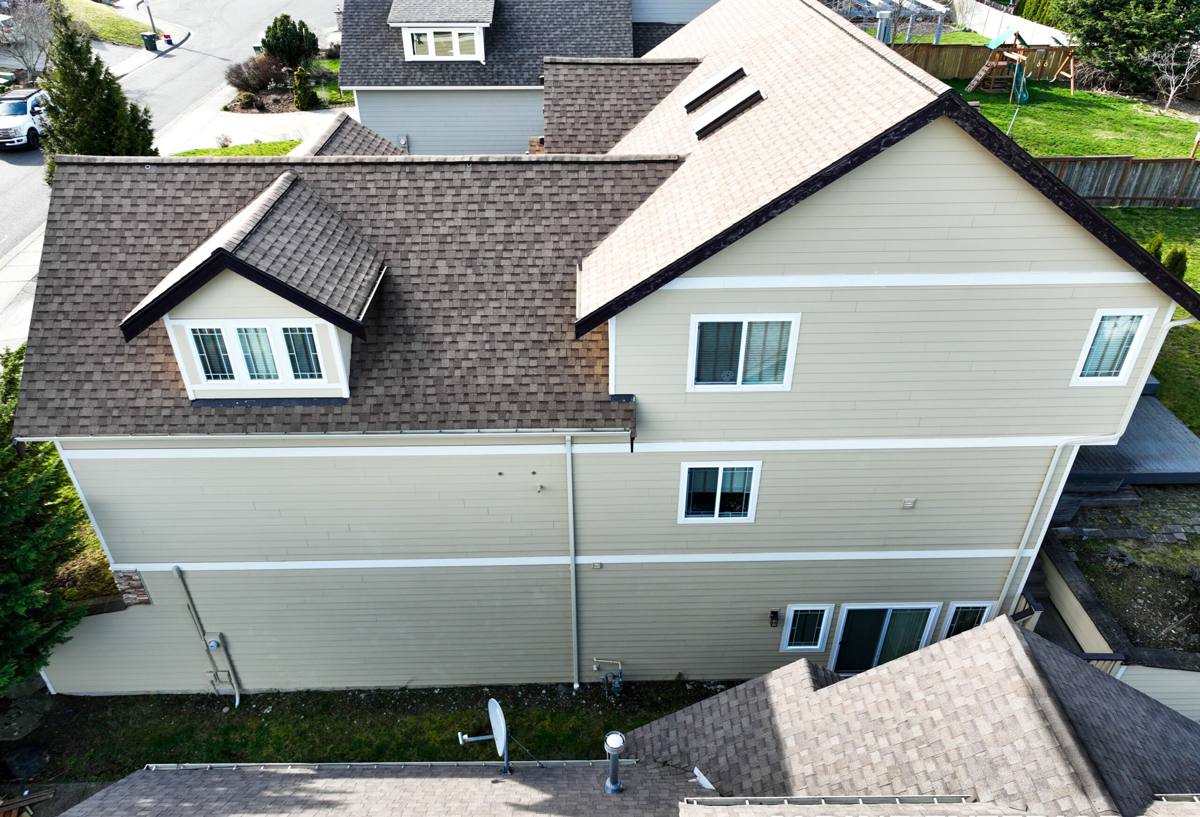
Signs a Semiahmoo Deck Needs Repair
Most deck problems out here show up gradually, and homeowners often notice the cosmetic symptoms long before the structural ones. Here's what we look for, and what you should be watching for between visits:
- Soft or spongy spots underfoot, especially near the house or at board ends where water sits longest
- Green or black staining that comes back within weeks of cleaning — a sign moss or algae has established itself in the wood grain, not just the surface
- Rust streaks below screws, nails, or metal connectors, which usually means the fastener is corroding faster than the wood around it
- Gaps opening up between the ledger board (where the deck attaches to the house) and the siding or trim
- Railing posts that wiggle or flex — often the first structural sign of rot at the base connection
- Standing water that doesn't drain within an hour or two after rain stops
Any one of these on its own might just need attention. Two or three together, especially involving the ledger or support posts, usually means it's time for a closer inspection before the next repair estimate.
Surface Damage vs. Structural Damage
It's worth separating these two categories because they call for different responses. Surface damage — graying wood, minor moss on the boards, small cracks in old finish — is mostly cosmetic and manageable with cleaning, sanding, and refinishing. Structural damage involves the framing underneath: joists, beams, posts, the ledger connection, and the fasteners holding them together. A deck can look rough on the surface but be structurally sound, or look fine on top while hiding a compromised joist. That's why a real repair estimate involves getting underneath the deck, not just walking across the top of it.
What a Correct Deck Repair Actually Involves
A repair that holds up through another Blaine winter starts underneath, not on top. Our process on a typical repair job includes:
1. Full Structural Check
We check the ledger board attachment first, since that's the single most important connection on the whole deck and the one most likely to have hidden moisture damage behind it. Then we move to joists, beams, and posts, looking for soft wood, rot pockets, and corroded hardware — not just the fasteners you can see, but the ones buried in joist hangers and post bases where salt-laden moisture collects and doesn't dry out.
2. Fastener and Hardware Assessment
In a marine-influenced location like Semiahmoo, we pay close attention to what grade of hardware was originally used. A lot of older decks were built with standard galvanized fasteners that were fine for the era but aren't holding up to decades of salt air. Where we find corrosion, we replace with stainless steel or high-grade coated fasteners rated for coastal exposure, even if that means a slightly higher material cost, because re-doing the same repair in five years costs more than doing it right once.
3. Decking and Board Repair
Individual board replacement only makes sense when the framing underneath is sound. We match spacing and fastening pattern to the existing deck, and where moss has gotten into the wood grain rather than just sitting on the surface, we treat or replace rather than clean and hope.
4. Drainage and Airflow
A huge percentage of the deck problems we see in this area trace back to poor drainage or blocked airflow underneath the structure. Moss and rot both need sustained moisture to take hold, and a deck that can't shed water or breathe underneath is going to keep having the same problems no matter how many boards get replaced. Part of a proper repair is correcting the drainage path, not just fixing the symptom on top of it.
5. Finish and Protection
Once the structure and boards are sound, we clean, treat for moss and mildew, and apply a finish appropriate to the material and exposure. Waterfront-adjacent decks generally need more frequent maintenance coats than an inland deck of the same age, and we'll tell you honestly what that schedule should look like for your specific deck rather than a generic recommendation.
Repair or Replace? A Straight Comparison
Not every deck problem needs a full rebuild, and not every deck is worth repairing indefinitely. Here's how we generally think about the decision:
| Factor | Favors Repair | Favors Replacement |
|---|---|---|
| Structural framing | Sound, no widespread rot | Multiple joists or beams compromised |
| Ledger connection | Solid, properly flashed | Rotted or improperly flashed against the house |
| Age of deck | Under 15-20 years, quality original build | Original construction was already marginal |
| Extent of moss/rot | Localized to a few boards or one area | Widespread across the deck surface |
| Fastener condition | Isolated corrosion | Corrosion throughout hardware and connectors |
| Budget goal | Extend usable life a number of years | Want long-term, lower-maintenance solution now |
Most decks we inspect in Semiahmoo fall somewhere in the middle — sound framing with isolated problem areas — which is good news, because that's the scenario where a targeted repair genuinely extends the deck's life rather than just delaying an inevitable rebuild.
Wood vs. Composite: What Holds Up Better Here
When repair work involves replacing significant sections of decking, homeowners often ask whether to stick with the original wood or switch to composite. There's no single right answer, but here's the honest trade-off for a location like this:
Wood decking, properly maintained, can look great and is often the right call when matching an existing deck or working within a tighter budget. The trade-off in a salt-air, high-moisture climate is that "properly maintained" means more frequent cleaning, moss treatment, and refinishing than the same wood would need somewhere drier.
Composite decking generally resists moss and moisture intrusion better and needs less refinishing over time, which appeals to homeowners who want to spend less time on upkeep. The trade-offs are a higher upfront material cost and the fact that composite still relies on sound framing and quality fasteners underneath — it doesn't fix a corroded structure, it just changes what you're maintaining on top of it. We'll walk you through both honestly based on your existing deck's condition rather than pushing one material by default.
Our Deck Repair Process for Semiahmoo Homes
- Free on-site inspection, including checking underneath the deck, not just the visible surface
- Written assessment of what's structural versus cosmetic, with photos of anything hidden under the boards
- Honest repair-vs-replace recommendation based on what we find, not a default upsell
- Clear estimate with material options explained, including fastener grade and finish choices
- Repair work scheduled around Blaine's weather windows so finishing coats can cure properly
- Final walkthrough so you know what maintenance schedule fits your specific deck going forward
Keeping a Semiahmoo Deck in Good Shape Between Repairs
A repaired deck stays repaired longer with a little seasonal attention. This is the same maintenance list we leave with homeowners after a repair job:
- Sweep debris off the deck regularly during fall — trapped leaves hold moisture and accelerate moss growth
- Clean and treat for moss before it becomes visible staining, not after
- Check railing posts and stair connections for movement once or twice a year
- Look underneath the deck occasionally for standing water or blocked drainage paths
- Reapply finish or sealant on the manufacturer's recommended schedule — don't stretch it just because the surface still looks okay
- Address small rust spots on hardware immediately rather than waiting for the next scheduled maintenance
Why Hire a Crew That Already Works in Semiahmoo
Deck repair looks similar on paper wherever you are, but the details that matter — what fastener grade actually holds up against this air, how aggressive the moss really gets by January, how to sequence work around Whatcom County's wetter months — come from having done this work here repeatedly, not from a general contracting background applied to a new location. A crew that already knows this stretch of coastline isn't guessing at what corrosion-resistant hardware to spec or how long a finish coat will realistically last; they've seen it hold up, or not, on other decks nearby.
That local familiarity also means a more accurate first estimate. We're not padding the price to cover unknowns about the area's climate, and we're not underestimating the moss or drainage work because we haven't dealt with it before.
Get a Free Estimate
If your deck in Semiahmoo has soft spots, moss that keeps coming back, or hardware showing rust, it's worth getting a straight answer on what's actually going on underneath before it gets more expensive to fix. Request a free, no-pressure estimate using the form below and we'll take a look.