 Blaine
 Roof Repair Built for Semiahmoo's Exposure
Semiahmoo sits out on a narrow spit at the edge of Blaine, with water on more than one side and almost nothing to slow the wind before it reaches a roofline. That setting is hard on every part of a house, but the roof takes the worst of it first. It's the surface that absorbs direct sun, salt-laden air, and wind-driven rain before any of that reaches the walls below, and it's usually the first system on a Semiahmoo property to show wear.
Roof repair here isn't the same job as roof repair a few miles inland in Blaine or further into Whatcom County. The moisture load is heavier, the salt exposure is more constant, and the moss season runs longer. A repair that only patches the visible symptom — a missing shingle, a stain on the ceiling — without accounting for how this specific climate behaves will usually need to be redone within a season or two. We repair roofs on Semiahmoo the way this location actually demands, not the way a generic repair checklist would suggest.
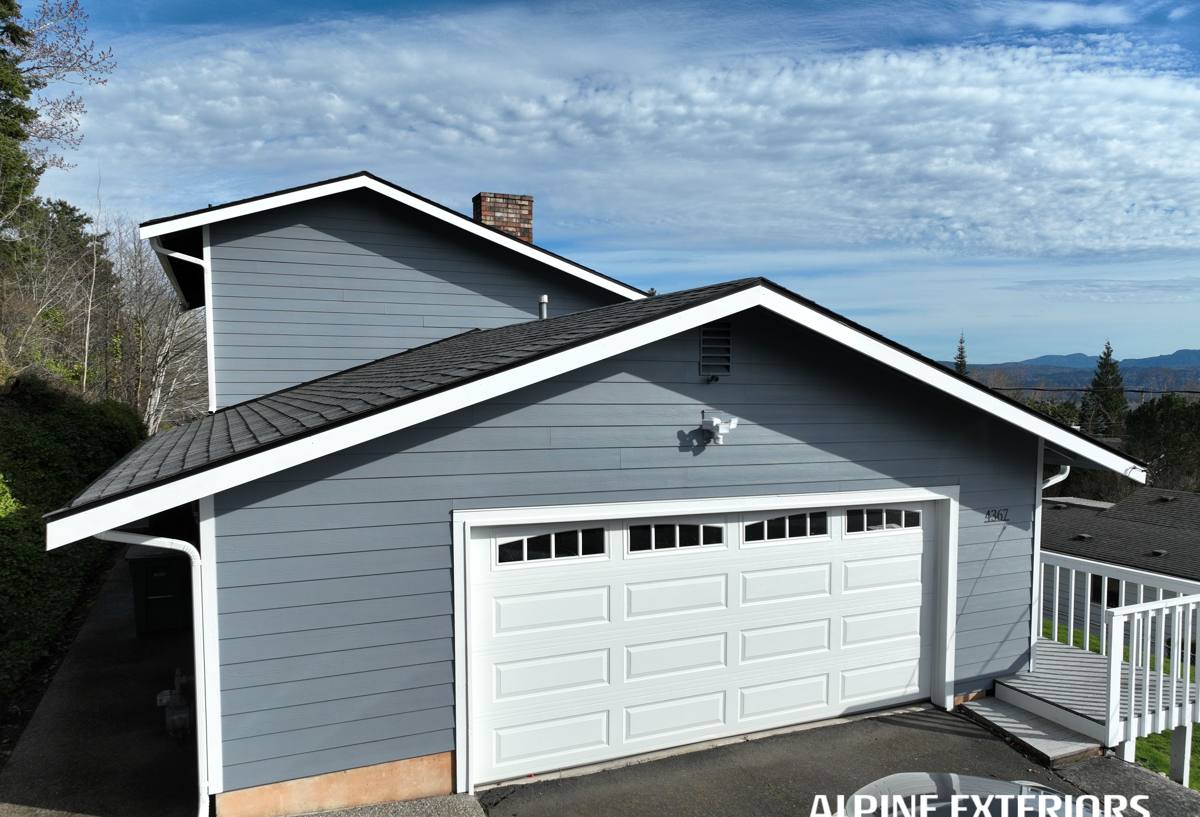
What This Climate Does to a Roof
Salt Air and Metal Fatigue
Because Semiahmoo has water on more than one side, salt-laden air reaches roofs from multiple directions instead of one prevailing exposure. Salt accelerates corrosion in flashing, fasteners, and any exposed metal roofing component. A nail or flashing piece that would last decades on a drier, more sheltered lot can start rusting and losing its seal years earlier out here. Once a fastener corrodes, the seal around it weakens, and that's often where a leak actually starts — not at the shingle itself, but at the metal or hardware holding it in place.
Wind-Driven Rain Forcing Its Way Under Laps
With almost no windbreak on the spit, rain doesn't just fall on a Semiahmoo roof — it gets pushed sideways and sometimes even slightly upward under wind pressure. Shingles, flashing, and underlayment are designed to shed water moving downhill under gravity, lapped so each course sheds onto the one below it. Wind-driven rain can defeat that lapping by forcing water sideways or upward into a seam that was never meant to face that kind of pressure. That's why roofs on open, waterfront lots develop leaks at valleys, flashing laps, and roof-to-wall transitions more often than roofs on sheltered inland lots with the exact same shingle.
A Moss Season That Runs Most of the Year
Mild temperatures, near-constant humidity, and shaded north-facing slopes add up to a moss and algae season that runs for most of the year across this part of Whatcom County, and a waterfront location like Semiahmoo doesn't shorten it. Moss isn't just cosmetic. As it grows, it holds moisture against the roof surface, works its way under shingle tabs, and physically lifts them over time, opening a path for water that wasn't there before. Left alone through a few wet seasons, moss growth turns from a maintenance issue into an actual repair need.
Signs a Semiahmoo Roof Needs Repair
Most roof problems on the spit don't start as a dramatic leak — they start small and get missed until water has already reached the interior. These are the signs worth acting on before that happens:
- Moss buildup in valleys or on shaded, north-facing slopes that keeps coming back after cleaning
- Granules collecting in gutters or at the base of downspouts, a sign the shingle surface is wearing thin
- Shingles that are cupping, curling, or visibly lifted at the edges, especially after a windy storm off the water
- Flashing around chimneys, skylights, or vent pipes that looks lifted, rusted, or has cracked sealant
- Water staining on interior ceilings or upper walls, particularly near exterior wall lines
- Daylight visible through the roof deck when viewed from inside the attic
- Soft or spongy spots underfoot when walking the roof surface
Any one of these on its own might not mean a major problem. But on an exposed property like this, they tend to compound quickly once wind-driven rain finds a weak point, so it's worth having them looked at rather than waiting for a ceiling stain to confirm it.
What a Correct Repair Actually Involves
A roof repair that holds up on Semiahmoo has to address the actual point of water entry, not just the spot where the damage became visible. Water often travels along the underlayment or roof deck before showing up somewhere else entirely, so a repair that only replaces the shingle directly above a ceiling stain can miss the real source.
Finding the Actual Leak Path
We start by tracing the moisture back from where it showed up to where it's actually entering, which usually means checking flashing, valleys, and penetrations uphill from the visible damage before replacing any material. Guessing at the source and patching the nearest shingle is one of the most common reasons a "repaired" roof leaks again the next storm.
Matching Materials Correctly
Shingles and underlayment vary by manufacturer, product line, and even production run in color and profile. We match new material to the existing roof as closely as the product allows, and where an exact match isn't available, we're upfront about that before starting the work rather than surprising a homeowner with a visible patch.
Flashing and Underlayment Detail
Given how much of Semiahmoo's leak activity starts at flashing rather than open shingle field, repairs almost always include inspecting and, where needed, replacing flashing at chimneys, skylights, vent penetrations, and roof-to-wall transitions — not just the shingles nearby. Underlayment gets the same scrutiny; if it's compromised under the repair area, replacing shingles over damaged underlayment just delays the same leak.
Ventilation Check
A roof deck that can't dry out between storms stays wet longer than it should, which accelerates rot and shortens the life of a repair. As part of most repair visits, we check attic and roof ventilation, since a poorly ventilated roof in this climate tends to generate repeat problems even after a solid repair.
Common Repair Issues We See on Semiahmoo Roofs
The combination of salt air, open wind, and a long wet season produces a fairly consistent pattern of problems on spit and waterfront roofs:
| Issue | Typical Cause on Semiahmoo | What a Correct Repair Addresses |
|---|---|---|
| Leak at chimney or skylight | Corroded or lifted flashing, often from salt exposure | Flashing removal and replacement, not just re-sealing over the old flashing |
| Valley leak | Wind-driven rain overwhelming a standard valley lap | Valley underlayment and metal inspection, re-lapped or reinforced as needed |
| Lifted or missing shingles | Sustained open wind exposure with no windbreak | Matching replacement shingles, properly fastened and sealed to adjacent courses |
| Recurring moss on north slopes | Shade, humidity, and a long regional moss season | Careful removal, treatment, and addressing any shingle damage moss has caused underneath |
| Interior ceiling staining | Water traveling along the deck from a source elsewhere on the roof | Tracing the leak path back to its actual entry point before any repair |
Repair or Replace: How We Make That Call
Not every roof problem on Semiahmoo needs a full replacement, and not every roof is a good candidate for another round of patching. We look at a few practical factors before recommending either direction, and we explain our reasoning rather than defaulting to the more expensive option.
| Factor | Leans Toward Repair | Leans Toward Replacement |
|---|---|---|
| Age of roof | Well within expected service life for the material | At or past the material's typical lifespan for this climate |
| Extent of damage | Isolated to one area — a valley, a flashing point, a section of shingles | Spread across multiple slopes or recurring in several spots |
| Underlayment and deck condition | Sound beneath the affected area | Soft, rotted, or showing widespread moisture damage |
| Repair history | First or second repair in that area | Same spot has already been patched more than once |
| Material availability | Matching material is available for a clean patch | Discontinued material forces a visibly mismatched patch |
When a roof genuinely needs more than a repair, we'll say so plainly and explain why — but we don't push replacement on a roof that a proper, well-targeted repair can still get years of honest life out of.
Our Repair Process
The process is the same whether the job is a single flashing repair or a broader patch across a wind-damaged slope:
- On-site inspection: We walk the roof and check the attic where accessible, looking for the actual leak path rather than just the visible symptom.
- Written scope: Before any work starts, we put together a clear scope covering what's being repaired, what materials will be used, and what it will cost.
- Repair work: Flashing, underlayment, and shingles are addressed together where the leak path crosses more than one of them, not treated as separate patch jobs.
- Cleanup and debris removal: Old material, nails, and moss debris are cleared from the roof and gutters before we consider the job finished.
- Follow-up: We tell homeowners what to watch for afterward and when it's worth a follow-up look, particularly heading into the wetter months.
Why a Local Semiahmoo Crew Matters
A roofing crew that regularly works this stretch of the Whatcom County coastline already knows how salt air, open wind, and a long moss season behave differently here than they do even a few miles inland in Blaine proper. That familiarity shows up in specific decisions during a repair — which flashing detail actually holds up against sideways rain, how much moss regrowth to expect on a shaded north slope, which fastener grade resists corrosion long enough to matter. Those are exactly the details that separate a repair that lasts a few storms from one that lasts several years.
What to Check Before Hiring for Roof Repair Near the Water
- Confirm current Washington contractor licensing and active liability insurance
- Ask how they identify the actual leak source rather than just replacing the nearest damaged shingle
- Ask about their approach to flashing at chimneys, skylights, and roof-to-wall transitions specifically
- Get a written scope of work and cost before any repair begins
- Ask whether they've worked on other waterfront or open-exposure properties in the area
Maintaining a Semiahmoo Roof Between Repairs
Regular attention stretches the life of any roof repair on the spit and often catches the next problem while it's still small. A few habits matter more here than they would on a sheltered inland roof:
- Clean gutters and downspouts at least twice a year so water isn't backing up under the roof edge
- Have moss on shaded slopes treated or removed before it has a chance to lift shingle tabs
- Walk the attic after major windstorms and check for new staining or daylight at the deck
- Have flashing at chimneys, skylights, and vents checked every year or two given the corrosion risk from salt air
- Address small leaks promptly rather than waiting, since wind-driven rain tends to find and widen existing weak points
If you're seeing moss buildup, a stain on a ceiling, or storm damage on a Semiahmoo roof, we're glad to take a look and give you an honest read on what it actually needs. Reach out below for a free, no-pressure estimate.