 Blaine
 Siding Installation Built for Everson's Wet, Shaded Climate
Everson sits in the Nooksack River valley in Whatcom County, a part of the state that stays green because it stays wet. Homes here deal with a long stretch of driving rain from fall through spring, moist marine air that pushes inland off the Strait of Georgia and Puget Sound, and enough tree cover and shade along the river bottoms to keep siding damp for days after a storm passes. That combination is hard on the wrong siding product, and it's just as hard on siding that's a good product but was installed the wrong way.
We install siding in Everson often enough to know which details actually matter in this climate and which ones are just marketing. This page covers what a correct siding installation looks like here, what we install and why, and what to expect if you hire us for the job.
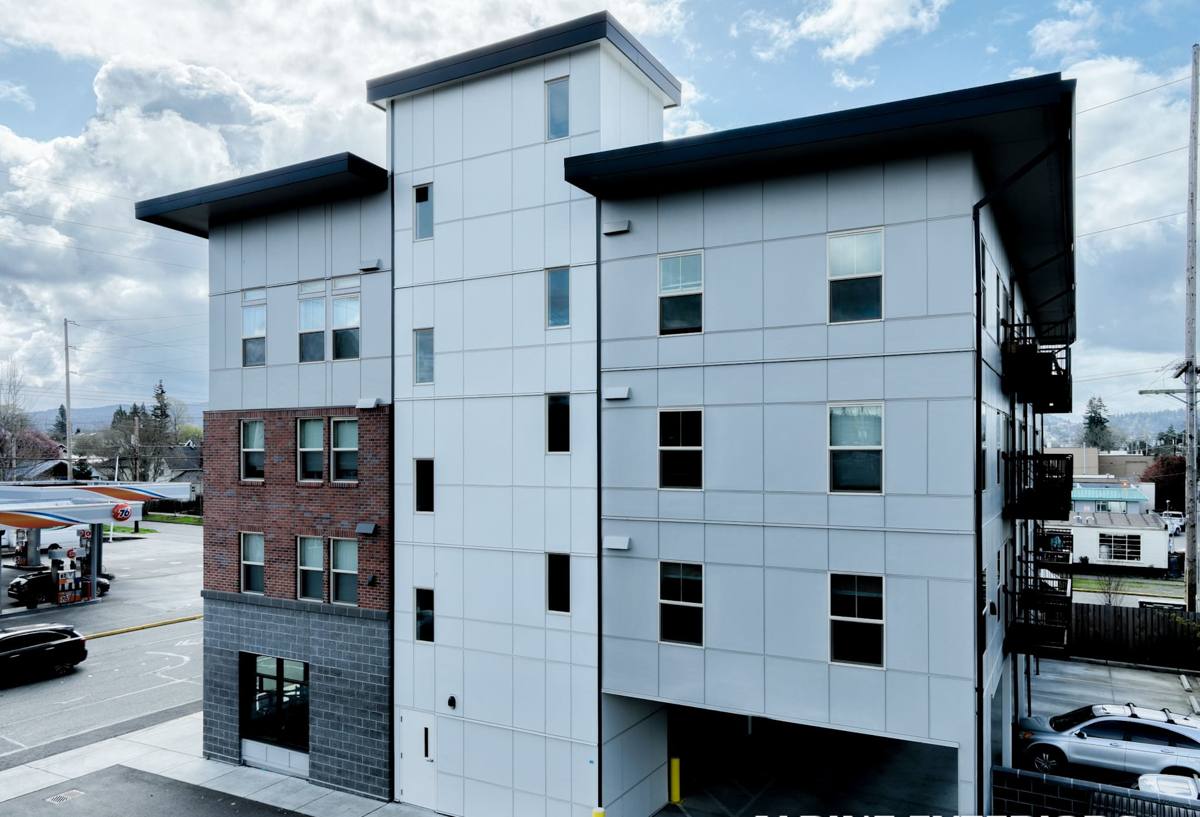
What Correct Siding Installation Actually Involves
Siding installation is not just fastening panels to a wall. Most siding failures we get called out to inspect trace back to what's underneath the siding, not the siding itself — water that got behind the cladding and had nowhere to go. Getting this right matters more in a climate like Whatcom County's than it does somewhere dry, because a wall here doesn't get much of a chance to dry out between storms.
Water Management Behind the Siding
Every wall needs a continuous water-resistive barrier installed over the sheathing, lapped correctly from bottom to top so water sheds outward instead of working its way in at each seam. Flashing at windows, doors, and any horizontal trim has to integrate with that barrier, not just sit on top of it. Where the siding meets the roofline, a deck, or the foundation, those transitions are where a rushed installation shows up as a rot problem two or three winters later — well after the crew that did the work is gone.
Depending on the wall assembly, a drainage gap behind the siding gives any water that does get past the outer layer a path to drain and dry instead of sitting against the sheathing. This is especially worth getting right on shaded, north-facing walls and anywhere the house sits close to trees or a slope that keeps that side of the building wetter longer than the rest.
Fastening, Clearances, and Manufacturer Spec
Fiber cement siding has specific fastening requirements — nail size, spacing, and how far the fastener sits from the panel edge all affect how the siding performs and whether the manufacturer's warranty stays valid. Clearance from grade, roof lines, and decks matters too; siding installed too close to the ground or to a horizontal surface stays wet longer and starts to show problems at the bottom edge first. These aren't judgment calls — they're spelled out in the manufacturer's installation instructions, and skipping them is one of the most common ways a siding job goes wrong without the homeowner knowing until years later.
Why We Install Only James Hardie Fiber Cement
We install James Hardie fiber cement siding exclusively. We don't install vinyl, LP SmartSide, Cemplank, Allura, or primed wood siding, and that's a deliberate standard, not a supply preference. Each of those products has real strengths, but each also carries a trade-off — moisture sensitivity, appearance limits, maintenance burden, or warranty structure — that we've decided isn't worth carrying into a climate that gives siding as hard a test as Whatcom County's does.
Engineered for This Climate
Hardie's HZ5 product line is formulated for regions with cold, wet winters, which fits western Washington well. Fiber cement is also non-combustible, which increasingly matters in insurance conversations across the state, even on the wetter side of the Cascades. It doesn't rot, it doesn't feed pests looking for a food source the way raw wood can, and it holds up to years of driving rain and standing shade without the swelling or delamination issues that can show up in wood-based products under sustained moisture.
ColorPlus Finish and a Warranty You Can Transfer
Hardie's ColorPlus finish is baked on at the factory rather than field-applied, which gives more consistent color and better fade resistance than a job-site paint job, and it holds up better against the kind of algae and grime buildup that shaded, damp walls in this area tend to collect. The product also carries a strong, transferable warranty — worth something concrete if you sell the house down the road, not just a line item on a spec sheet nobody reads until there's a problem.
Hardie vs. the Alternatives
Here's how the products compare on the factors that matter most in a climate like this one:
| Factor | James Hardie Fiber Cement | Vinyl | Wood / LP SmartSide |
|---|---|---|---|
| Moisture behavior | Doesn't absorb water, won't rot | Can trap moisture behind panels if installed loose | Engineered wood resists rot better than raw wood, but moisture is still the main failure point |
| Finish | Factory-baked ColorPlus, consistent and fade-resistant | Color runs through the material but can chalk and fade | Needs field-applied paint or maintained factory primer |
| Fire rating | Non-combustible | Combustible | Combustible |
| Maintenance | Occasional wash, repaint only if you want a color change | Low, but cracks and fades over time | Regular repainting and moisture monitoring |
| Typical performance when installed to spec | Decades of service, strong transferable warranty | Shorter service life, warranty often prorated | Shorter than fiber cement; depends heavily on moisture management |
Our Installation Process, Start to Finish
The process is the same whether it's a full re-side or a section of wall that took storm damage:
- On-site assessment of the existing wall assembly, siding condition, and any moisture or rot damage that needs to be addressed before new siding goes on.
- A written estimate that spells out the Hardie product line, profile, and color, along with the scope of any sheathing repair, flashing, or trim work involved.
- Removal of the old siding and inspection of the sheathing underneath — this is where hidden water damage from a prior installation often turns up.
- Installation of the water-resistive barrier and flashing details at every window, door, and transition point.
- Siding installation to manufacturer spec — fastener pattern, spacing, and clearances — followed by trim and caulking.
- A final walkthrough so you can see the finished work and ask questions before we consider the job done.
We don't push change orders mid-project for things a proper initial assessment should have caught. If we find rot or damage once the old siding comes off, we'll show it to you before doing anything about it, not after it's already been billed.
Signs Your Everson Home's Siding Needs Attention
A few things worth checking before winter sets in, especially on walls that stay shaded most of the day:
- Soft or spongy spots when you press on the siding, especially near the bottom edge or under windows
- Visible gaps, warping, or panels that have pulled away from the wall
- Persistent moss or algae that comes right back soon after cleaning
- Paint that's peeling or bubbling, which often points to moisture trapped underneath
- Rising heating bills that could point to failing insulation behind damaged siding
- Cracks around window and door trim where water can work its way behind the cladding
Any one of these on its own isn't necessarily an emergency, but they're worth a professional look before they turn into a sheathing repair job instead of a siding job.
Moss, Algae, and the Long Wet Season
Whatcom County's wet season runs long, and Everson's tree cover and river-valley humidity keep some walls damp well after the rain itself has stopped. Moss and algae aren't just cosmetic — sustained growth holds moisture against the siding surface, and on the wrong product, that can accelerate deterioration underneath. Hardie's factory finish resists this buildup better than field-applied paint, and correct installation with the right clearances and drainage keeps shaded walls from staying wet longer than they need to.
We also pay attention to gutter placement and roof runoff during installation, since a lot of the moss and staining we see on siding in this area traces back to water dumping onto a wall from above rather than a problem with the siding itself. Fixing that at the same time as a siding installation is a lot cheaper than fixing it separately later.
Why a Local Crew That Already Works in Everson Matters
A crew that works Whatcom County regularly knows what this climate does to a wall over time, not just on installation day. We've seen how shaded, river-adjacent lots behave differently than open lots a mile away, and we build that into how we flash, vent, and drain a wall before the first panel ever goes up. We're also close enough to come back for warranty work or a follow-up question without it being a special trip, which matters more than it sounds like once the job is finished and you're the one living with the results.
Hiring a crew based somewhere else, in a drier or milder climate, means hiring someone who may not build in the same margin for this area's rain and shade. That's not a knock on their skill — it's just a different set of habits formed by a different climate.
What Affects the Cost of a Siding Installation
Every home is different, but the main cost drivers on a siding installation project are consistent:
| Factor | How It Affects Cost |
|---|---|
| Wall square footage and home shape | More corners, dormers, and cutouts mean more labor per square foot |
| Condition of the existing sheathing | Rot or water damage found during tear-off adds repair scope |
| Siding profile and trim detail | Board-and-batten, wider trim, and accent work take more time than a straightforward lap siding job |
| Access and site conditions | Steep grades, close tree cover, or tight lot access affect staging and labor time |
| Color and finish selection | Factory ColorPlus finishes vary in cost by line but eliminate the need for field painting later |
We don't quote a number without seeing the house — anything else is a guess. What we can tell you is that the estimate will be itemized, so you know what you're paying for and why, before any work starts.
If you're weighing a siding project on a home in Everson, we're glad to take a look and put together a free, no-pressure estimate — no obligation, and you'll walk away with a clear picture of what the job actually involves.