 Blaine
 Siding Repair Built for the California Creek Climate
California Creek sits close enough to Drayton Harbor and Boundary Bay that homes here take a different kind of weather beating than siding just a few miles inland. Salt-laden air moves in off the water, driving rain comes in sideways during winter storms, and the shaded, damp lots along the creek corridor stay wet longer than open ground. That combination is hard on exterior siding, and it's why repair work in this part of Blaine looks different from a routine patch job on a dry, sunny lot.
This page covers siding repair specifically for California Creek — what typically goes wrong here, what a correct repair actually involves, and how our process works when you call us out to fix a problem area rather than replace an entire home's siding.
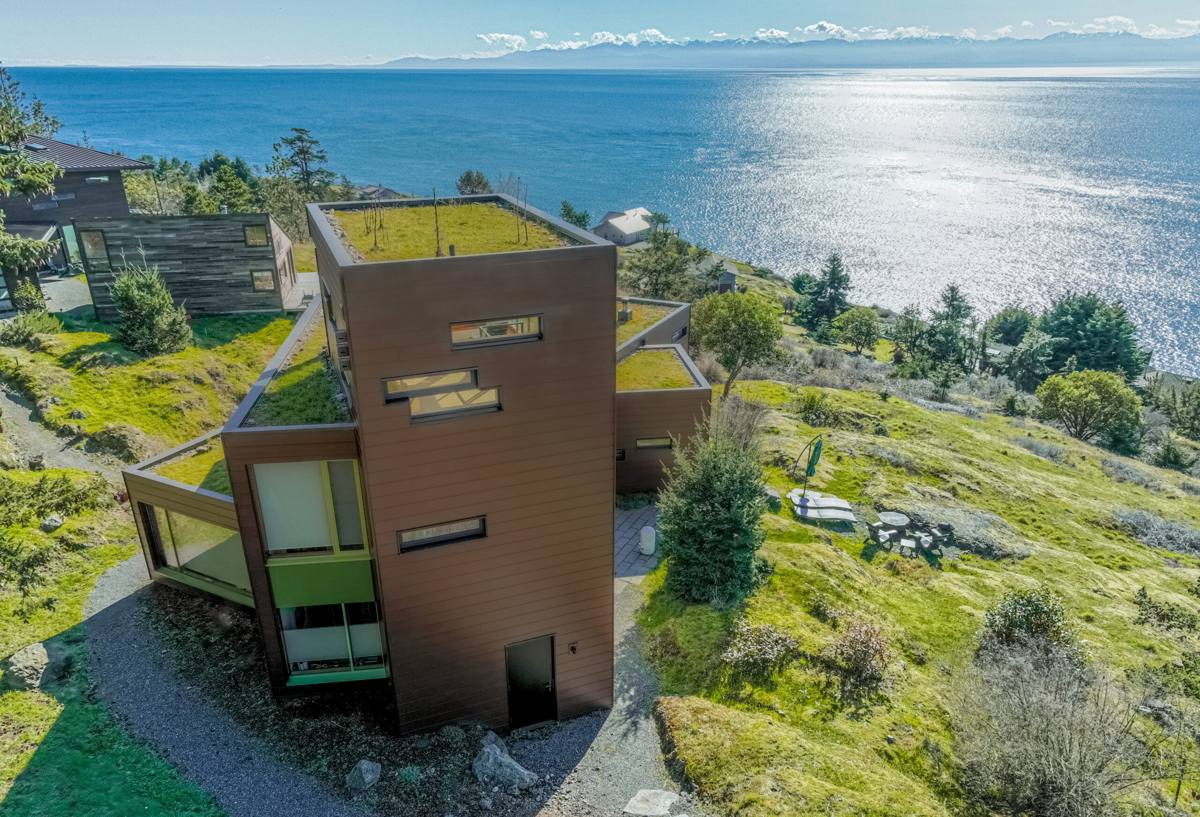
Why Siding Wears Faster Near California Creek
A few local conditions show up again and again when we inspect siding in this neighborhood:
- Salt air corrosion: Airborne salt from the harbor and bay accelerates the breakdown of fasteners, trim caps, and lower-quality paint films, especially on the water-facing side of a house.
- Driving rain exposure: Wind off the water pushes rain horizontally into wall assemblies, which stresses caulk joints, butt seams, and anywhere siding meets a window, door, or trim board.
- Long moss and algae season: Shaded, moisture-retaining lots near the creek keep siding damp for extended stretches, feeding moss and algae growth that traps moisture against the surface far longer than a quick rinse would suggest.
- Tree cover and debris: Mature trees common along the creek drop needles, leaves, and limbs that collect in siding laps and behind trim, holding moisture right where you don't want it.
None of this means siding here is doomed — it means repairs need to account for moisture behavior and material choice, not just patch the visible damage and move on.
Common Signs Your Siding Needs Repair
Homeowners in California Creek usually call us for one of these issues:
Visible Surface Damage
Cracked, cupped, or delaminating boards; peeling paint or a chalky, faded finish; visible gaps at butt joints or corners; and soft spots you can press in with a thumb are all signs the siding material itself is compromised, not just dirty.
Moss, Algae, and Staining
Green or black streaking, especially on north-facing or shaded walls, signals prolonged moisture contact. On wood-based products this can mean rot starting underneath a finish that still looks intact from a few feet away.
Moisture Behind the Siding
Bubbling paint, a musty smell near an exterior wall, or soft drywall on an interior wall that backs up to a damaged section of siding usually means water has already gotten past the surface. This is the category of problem that turns a small repair into a bigger one if it sits too long.
Fastener and Trim Failures
Rust streaks below nail heads, popped fasteners, or trim boards pulling away from the wall are common in salt-air environments where standard fasteners corrode faster than they would inland.
What a Correct Siding Repair Actually Involves
A repair that just covers the damaged spot with new material and calls it done is a repair that fails again in a season or two, especially in this climate. A correct repair here goes through a specific sequence:
- Remove the damaged siding and inspect the house wrap or weather-resistant barrier underneath for tears or gaps
- Check the framing and sheathing behind the damaged area for soft spots, staining, or active rot before closing anything back up
- Confirm flashing at windows, doors, and any penetrations in the repair area is intact and properly lapped, since bad flashing is a frequent root cause we find behind failed siding
- Replace any compromised sheathing or framing before new siding goes back on — patching over a wet substrate just hides the problem
- Install new siding material with proper clearances at grade, decks, and roof lines so water has somewhere to go instead of wicking back into the wall
- Re-seal and caulk joints with a product rated for this climate, not a generic hardware-store caulk that will fail in a wet winter
- Match the finish as closely as possible, and set expectations up front if an exact color match isn't realistic on an older, faded wall
Skipping the inspection step is the most common shortcut in siding repair, and it's the one that costs homeowners the most in the long run. If the wall assembly underneath is wet or rotting, new siding on top just buys a little time.
Repair, Patch, or Full Replacement?
Not every problem area needs a full re-side, but not every problem should be spot-patched either. Here's how we generally think about it:
| Situation | Typical Approach | Why |
|---|---|---|
| One or two damaged boards, sound substrate underneath | Targeted repair | Isolated damage with no underlying moisture issue doesn't require touching the rest of the wall |
| Damage clustered around a window, door, or deck ledger | Repair plus flashing correction | These are common water entry points; fixing the siding without fixing the flashing just invites a repeat failure |
| Rot or soft sheathing found during inspection | Repair with sheathing replacement | New siding over damaged sheathing will fail again, often faster the second time |
| Repeated failures across multiple walls, aging original siding house-wide | Full re-side recommended | At a certain point, patching individual sections costs more over time than one correct, comprehensive job |
We'll tell you honestly which category your home falls into. If a repair is the right call, we're not going to upsell you into a full replacement you don't need yet.
Our Siding Repair Process in California Creek
- On-site inspection: We look at the visible damage and check for the moisture, flashing, and framing issues that don't show up from the ground.
- Honest scope and estimate: You get a clear explanation of what's actually wrong, what needs to happen to fix it correctly, and a written estimate before any work starts.
- Substrate correction if needed: Any wet or damaged sheathing or framing gets addressed before new siding goes back on.
- Repair and finish: New material is installed with proper clearances, flashing, and sealant, and finished to match the surrounding siding as closely as possible.
- Walkthrough: We go over the completed repair with you so you know exactly what was done and why.
Why We Repair With James Hardie Material
When a repair calls for new boards rather than reusing salvaged material, we install James Hardie fiber cement. It's the only siding product we install on this company's projects, for repairs and full replacements alike, and the reasoning holds up especially well in a climate like California Creek's.
Hardie's HZ5 product line is engineered for the kind of wet, coastal-influenced weather this part of Whatcom County sees, and fiber cement doesn't absorb moisture and swell the way wood-based or engineered wood products can. It's non-combustible, holds its factory-applied ColorPlus finish far longer than field-applied paint on other materials, and carries a strong transferable warranty. On a repair, that means a patched section is less likely to become the next callback, and if we're matching into existing Hardie siding, the color and profile options make a clean match realistic.
We won't tell you every repair requires ripping out and replacing perfectly sound existing siding. But when new material is going into your wall, we believe in installing something built to hold up to this exact climate rather than a cheaper option that's likely to bring you back to square one in a few years.
Why Hire a Crew That Already Works This Area
Siding repair done wrong in a salt-air, high-rain environment doesn't just look bad — it fails again, often faster than the original damage took to develop. A crew that regularly works California Creek and the surrounding Blaine area knows to check flashing at deck ledgers, knows which wall orientations take the worst of the driving rain, and knows not to trust a quick surface patch on a house that's been sitting damp under tree cover for years. That local pattern recognition is the difference between a repair that lasts and one that's a temporary fix.
We also stand behind the work with the same accountability we'd want if it were our own home — clear scope, honest recommendations, and no surprise upsells once we're already on the ladder.
Ready to Get Your Siding Looked At?
If you're seeing cracked boards, moss buildup, staining, or soft spots on your siding in California Creek, it's worth having someone look before the damage spreads further. We offer free, no-pressure estimates — use the form below to get a straightforward assessment of what's going on and what it would take to fix it right.