 Blaine
 Roofing on the Water's Edge
Birch Point sits close enough to the water that the air itself works on your roof every single day. Salt-laden marine air, wind-driven rain off the Salish Sea, and long, damp stretches of moss season put a different kind of stress on a roof than you'd see a few miles inland in Whatcom County. Homes here need a roof replacement done with that exposure in mind — not a generic install pulled from a catalog job somewhere in the valley.
We've replaced roofs on enough Birch Point homes to know which materials hold up, which details get skipped by crews unfamiliar with the area, and which parts of a roof fail first when salt air and standing moisture are part of the daily routine. This page is about what a correct roof replacement looks like for a home in this specific location — not a general overview of roofing.
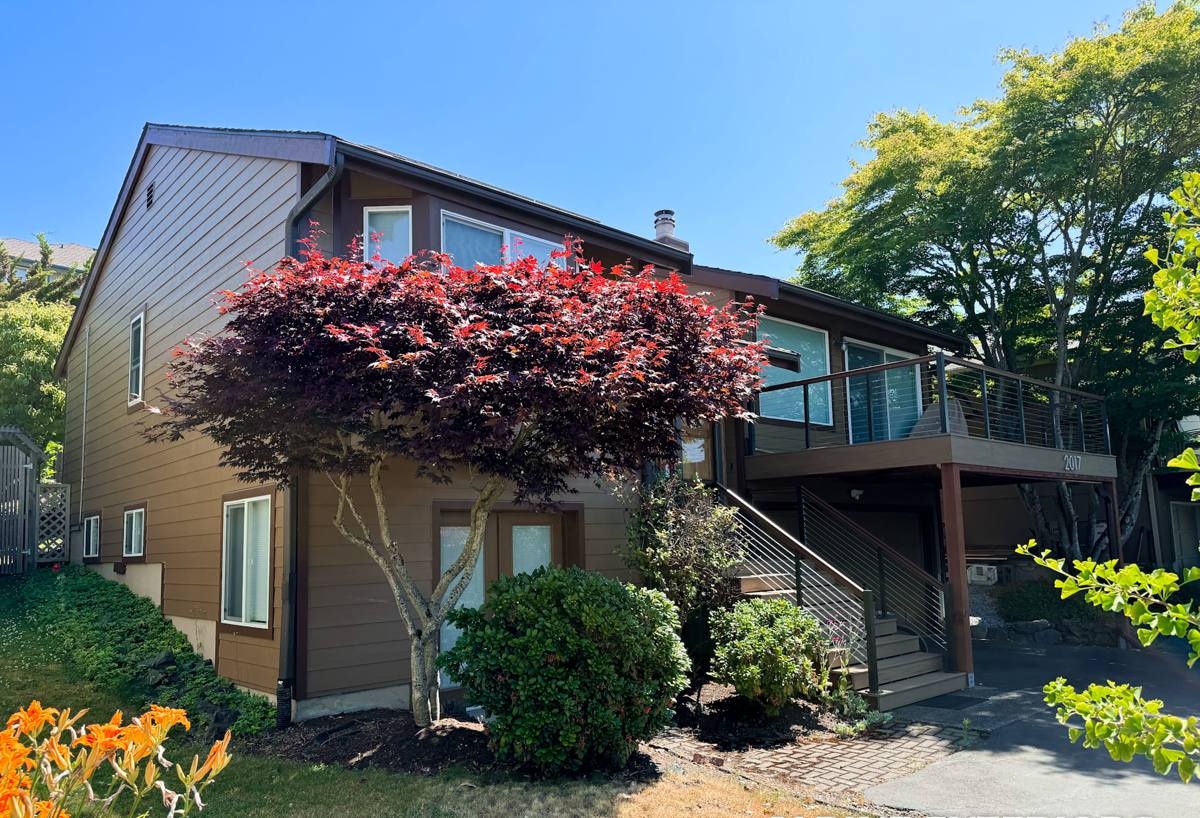
Why Birch Point Roofs Age Differently
Three things drive most of the premature roof wear we see out here:
- Salt air corrosion — airborne salt accelerates the breakdown of unprotected metal fasteners, flashing, and vent components faster than in non-coastal parts of Blaine.
- Driving rain — wind-blown rain doesn't just fall straight down; it gets pushed sideways under shingle edges, around chimneys, and into any flashing detail that isn't sealed correctly.
- Extended moss season — the Pacific Northwest's damp, shaded, mild-temperature stretches (often from fall through spring) give moss and algae months to take hold, and once established, moss holds moisture directly against roofing material.
None of these are exotic problems, but they compound. A roof installed without corrosion-resistant fasteners, tight flashing work, and moss-resistant material choices will show its age years before it should — even if the shingles themselves are a good product.
Signs Your Roof Is Telling You It's Time
Roof replacement is a big decision, and we'd rather you make it with clear information than a sales pitch. Here's what actually indicates a roof is past the point of patching:
- Granule loss heavy enough that you're finding grit in gutters and downspouts every season
- Moss growth that returns within months of cleaning, especially on north-facing or shaded slopes
- Curling, cupping, or cracked shingles, particularly on the sides that catch the most weather
- Soft spots in the decking when walked, or sagging visible from the ground
- Water stains on interior ceilings or in the attic that show up during or after driving rain
- Rusted, lifted, or missing flashing around chimneys, vents, and valleys
- A roof approaching or past the manufacturer's rated lifespan for this climate
One or two of these on their own might mean a repair is enough. Several together, especially on a roof already in its second or third decade, usually means replacement is the more honest recommendation — and the more cost-effective one over time.
What a Correct Roof Replacement Involves Here
A roof replacement is more than swapping old shingles for new ones. Done right, especially this close to the water, it involves several steps that matter more here than they would inland:
Full Tear-Off and Deck Inspection
We remove the old roofing down to the deck rather than layering over it. That's the only way to actually see what condition the sheathing is in — driving rain finds its way into small gaps over the years, and soft or rotted decking has to be replaced before anything new goes down, not covered up.
Underlayment Built for Wet Climates
A synthetic or self-adhered underlayment rated for high-moisture climates gives the roof a second line of defense if wind-driven rain ever gets past the surface layer. This matters more in a coastal, driving-rain environment than it does in drier parts of the state.
Flashing and Fastener Choices
Around chimneys, skylights, valleys, and roof-to-wall transitions, flashing is where most leaks actually start. In a salt-air environment, we pay close attention to fastener and flashing material so corrosion doesn't undo the work in a few years.
Ventilation
Proper intake and exhaust ventilation keeps moisture from condensing in the attic space, which matters in a climate where the air outside is already damp much of the year. Poor ventilation shortens the life of a roof from underneath, where you can't see it happening.
Choosing a Material That Fits This Climate
There's no single "best" roofing material for every home — the right choice depends on your roof's exposure, your budget, and how much long-term maintenance you're willing to take on. Here's how the common options compare for a salt-air, high-moss location like Birch Point:
| Material | Salt Air / Moisture Behavior | Moss Resistance | Maintenance | Typical Lifespan |
|---|---|---|---|---|
| Architectural asphalt shingle | Good with quality flashing and fasteners | Better with algae-resistant granules | Periodic moss/debris cleaning | 25–30 years |
| Standing seam metal | Excellent if fasteners and coatings are corrosion-rated | Very good — sheds moisture, little for moss to grip | Low | 40–50+ years |
| Cedar shake | Requires diligent maintenance in damp climates | Prone to moss without regular upkeep | High — regular treatment and cleaning | 20–30 years with upkeep |
We're candid with homeowners about trade-offs. Cedar has real appeal, but in a climate with this much sustained moisture and moss pressure, it demands a level of ongoing maintenance many homeowners underestimate — that's a fair thing to weigh before committing, not a knock on the material itself. Metal carries a higher upfront cost but performs exceptionally well against both salt air and moss over the long run. A well-installed architectural shingle roof remains the most common, cost-effective choice for most Birch Point homes when the flashing and ventilation details are done correctly.
What Affects Your Roof Replacement Cost
Every roof is different, so we won't quote a number without seeing yours, but these are the main factors that move the price up or down:
| Factor | Why It Matters |
|---|---|
| Roof size and pitch | Steeper, larger roofs take more material and labor time, and steep pitches require more safety setup |
| Number of layers to remove | Tear-off of multiple existing layers adds labor and disposal cost |
| Decking condition | Rotted or soft sheathing found during tear-off needs replacement before new roofing goes down |
| Material selection | Asphalt, metal, and cedar carry different material and installation costs |
| Roof complexity | Valleys, dormers, chimneys, and skylights each add flashing work and time |
| Access | Tree cover, tight lot lines, or limited staging space near the water can affect labor time |
As a broad range, most full asphalt shingle roof replacements in this area land somewhere in the mid five figures for an average home, with metal running higher and cedar variable depending on scope. The only way to get an accurate number is a real inspection — we won't estimate a Birch Point roof from a satellite photo.
Our Roof Replacement Process
- On-site inspection. We walk the roof, check the decking where accessible, and look at flashing, ventilation, and moss patterns to understand the roof's actual condition.
- Written estimate. You get a clear scope and price before any work starts — no vague allowances or surprise add-ons partway through.
- Tear-off and deck repair. Old roofing comes off, decking is inspected and repaired where needed, and the site is protected throughout.
- Underlayment, flashing, and material installation. Each layer goes down in the order and manner that actually protects against driving rain and moisture, not just the fastest path to finished shingles.
- Ventilation check. Intake and exhaust venting is verified or upgraded as part of the job, not treated as optional.
- Cleanup and final walkthrough. Site is cleared of debris and nails, and we walk the finished roof with you before calling the job done.
Why a Crew That Already Works Birch Point Matters
A roofing crew that's worked this specific area already knows things a crew coming from outside Whatcom County has to learn on your dime. That includes which flashing details actually hold up against this level of salt air, how much moss pressure a given slope and shade pattern will see, and how driving rain moves across a roof in a coastal wind pattern versus a sheltered inland lot.
It also means practical familiarity with the area itself — access, typical lot conditions, and the realities of scheduling around this region's weather windows. A local crew isn't guessing at what "coastal climate" means for a roof; it's what we see and fix every week.
Keeping Your New Roof Performing
A correct install is most of the battle, but a little upkeep protects that investment for decades. After a replacement, we recommend:
- Clearing gutters and downspouts at least twice a year, more often under overhanging trees
- Having moss growth treated or removed before it establishes rather than after
- Trimming back branches that keep sections of the roof shaded and damp
- Scheduling a visual inspection after major storms, especially ones with sustained driving rain
- Watching for granule buildup in gutters as an early sign of shingle wear
None of this is complicated, but it's the difference between a roof that hits its full rated lifespan and one that needs attention years early because moisture and moss were left unchecked.
Ready to Talk About Your Roof?
If you're weighing a repair against a full replacement, or just want an honest read on where your roof stands, we're happy to take a look. Use the form below to request a free, no-pressure estimate — we'll give you a straightforward assessment of your Birch Point home's roof and what it actually needs.