 Blaine
 Board and Batten Siding in California Creek: A Look That Has to Earn Its Keep
California Creek sits in that stretch of Whatcom County where the land runs down toward Semiahmoo Bay and Drayton Harbor — wooded lots, a mix of older homes and newer builds, and weather that comes straight off the water for a good chunk of the year. Board and batten siding has become a popular choice out here because it looks clean, modern, and a little more distinctive than standard lap siding. But in this specific area, the vertical lines and exposed seams of a board and batten profile only hold up if the material and the installation are both right for the climate. Get either one wrong, and the same style that looks sharp on day one becomes a maintenance headache by year five.
This page is about that one service — board and batten siding — for that one area. Not a general overview of every siding option, but what actually matters if you're considering board and batten on a home near California Creek.
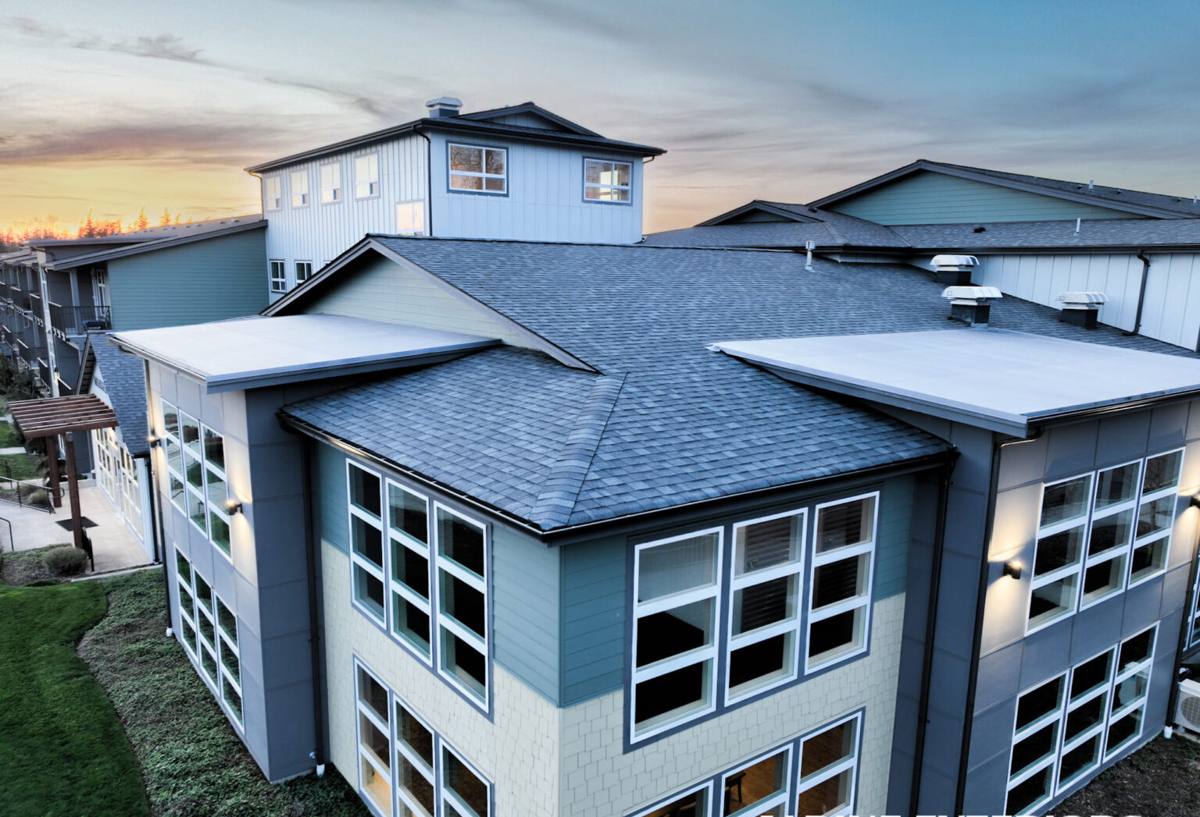
What California Creek's Climate Does to Vertical Siding
Three things define the exterior environment out here, and all three interact directly with how board and batten performs:
- Salt-laden air. Proximity to Drayton Harbor and the Strait of Georgia means airborne salt is a real factor, not a coastal cliché. Salt accelerates corrosion on fasteners, hardware, and any metal flashing that isn't properly rated or protected.
- Driving rain. Whatcom County's weather often comes in sideways off the water, which means siding doesn't just get rained on — it gets rained into. Board and batten has more vertical seams than lap siding, and every one of those seams is a potential water entry point if it isn't detailed correctly.
- A long moss and algae season. Shaded, tree-covered lots near the creek stay damp for months at a time. Any siding material that holds moisture at the surface — or has a batten that traps organic debris behind it — becomes a moss farm.
None of this makes board and batten a bad choice for California Creek. It makes it a style that requires the right material and the right build-out behind the boards, not just the right look on the front.
Why Board and Batten Still Makes Sense Here
Done correctly, board and batten actually handles some of this climate's challenges well. The vertical orientation sheds water downward instead of collecting it on horizontal ledges the way some lap profiles can at butt joints. It also reads well against the wooded, semi-rural character of California Creek — it doesn't look out of place next to cedar-toned neighbors or newer farmhouse-style builds. The trade-off is that vertical siding depends more heavily on what's happening behind the surface — drainage, flashing, and fastening — than a straightforward lap job does. That's the part homeowners rarely see, and it's the part that determines whether the siding looks the same in year ten as it did on installation day.
What a Correct Board and Batten Install Actually Involves
Drainage Plane First
Before a single board goes up, there needs to be a weather-resistive barrier and, in a climate like this one, a drainage gap — commonly a rainscreen furring strip — behind the siding. That gap lets any moisture that gets past the surface drain and dry instead of sitting against the sheathing. Skipping this step is one of the most common corner-cuts on vertical siding jobs, and it's invisible until the siding starts failing from behind.
Flashing at Every Horizontal Break
Window and door heads, roof-to-wall intersections, and any horizontal trim all need properly lapped, corrosion-resistant flashing. In a salt-air environment, the flashing material and fastener coating matter as much as the flashing detail itself — the wrong metal will corrode faster here than it would inland.
Batten Spacing and Fastening
Battens need consistent spacing over the vertical panel joints, fastened into structural framing — not just into the panel — with corrosion-resistant fasteners rated for the exposure. Loose or improperly fastened battens are one of the first things to fail in driving rain, because they're what's actually holding the seam closed.
Sealant Only Where It Belongs
Board and batten shouldn't rely on caulking as its primary defense against water. Caulking has a service life, and it's meant to supplement good flashing and drainage detailing — not replace it. A job that's "sealed everywhere" instead of properly flashed is a job that will need re-caulking on a schedule for the life of the siding.
Why This Company Installs Only James Hardie Fiber Cement for Board and Batten
Board and batten is available in several materials — engineered wood, vinyl, various fiber cement brands — and each has genuine strengths. We made the decision to install only James Hardie fiber cement, and for a climate like California Creek's, the reasoning is specific:
- Moisture behavior. Fiber cement doesn't swell, rot, or delaminate the way engineered wood products can when a seam takes on water repeatedly over a wet season.
- Non-combustible material. James Hardie's fiber cement composition doesn't support flame spread the way wood-based siding products can, which matters increasingly across Washington.
- Factory-applied finish. ColorPlus Technology bakes the finish onto the board before it ever reaches the jobsite, so the color has a more consistent, weather-resistant bond than a field-applied paint job — important when the siding is going to be exposed to salt air and UV for years without repainting.
- Climate-engineered formulation. James Hardie manufactures different product formulations for different climate zones, built around exposure to moisture and temperature swings — this isn't a one-size-fits-all product line.
Vinyl board and batten is lightweight and low-cost, but it can warp in temperature swings and its seams are harder to detail as tightly as fiber cement. Engineered wood products have improved over the years, but they still depend on an intact factory coating to resist moisture — any breach at a cut edge or fastener hole becomes a vulnerability in a climate this wet. We're not going to tell a homeowner those products are junk; plenty of them perform fine in drier climates. But for a lot this close to the water, with this much rain and this long a moss season, we don't think they're the right call, and we'd rather turn down the job than install something we don't stand behind here.
Our Process for a California Creek Board and Batten Job
| Step | What Happens | Why It Matters Here |
|---|---|---|
| Site walk | Assess existing siding, sheathing condition, and moisture exposure (tree cover, wind direction, drainage around the foundation) | Wooded, damp lots need this checked before anyone quotes a number |
| Tear-off vs. overlay decision | Determine whether old siding can stay or needs full removal to inspect sheathing | Hidden rot behind old siding is common near shaded, damp lots |
| Drainage plane and rainscreen | Install weather-resistive barrier and furring for a ventilated gap | Lets moisture that gets past the surface dry out instead of sitting |
| Flashing | Detail every window, door, and roofline intersection | Prevents driving rain from tracking behind the panels |
| Panel and batten install | Fasten HardiePanel and battens to code and manufacturer spec | Correct fastening is what keeps seams tight in wind-driven rain |
| Final walkthrough | Review the finished job and warranty paperwork with the homeowner | You should know exactly what's covered and for how long |
Maintenance in a Salt-Air, Moss-Prone Environment
Even the right material benefits from basic upkeep out here. A yearly rinse-down removes salt residue and organic buildup before it has a chance to establish, especially on north-facing or shaded walls near tree cover. Keep gutters clear so overflow isn't running down the siding face, and trim back vegetation that keeps a wall shaded and damp longer than it needs to be. ColorPlus finishes hold up well without repainting, but it's still worth a visual check each year for any caulking that's started to crack at trim joints — small gaps are cheap to fix early and expensive to ignore.
What Board and Batten Siding Costs to Do Right
| Cost Factor | Why It Moves the Price |
|---|---|
| Tear-off vs. new construction | Removing old siding and repairing hidden sheathing damage adds labor |
| Wall complexity | More corners, windows, and rooflines mean more flashing detail work |
| Rainscreen inclusion | A proper drainage gap adds material and labor but pays off long-term in this climate |
| Panel and batten profile | Batten width and reveal choices affect material quantities |
| Trim and accent detailing | Corner boards, window casing, and transitions add finish-carpentry time |
We don't publish a flat price because every California Creek property is different — lot exposure, existing wall condition, and design choices all move the number. A site walk and honest quote is the only way to get a real figure.
Why a Crew That Already Works This Area Matters
A crew that's worked siding jobs around Blaine and the California Creek area already understands the exposure patterns specific to this stretch of coastline — which walls take the worst of the driving rain, how much moss growth to expect on shaded sides, and how salt air factors into fastener and flashing choices. That's not something you can fully substitute with a generic install crew working from a national playbook. It shows up in the small decisions: where extra flashing detail is worth the time, which walls need the most attention to the drainage gap, and how the finished job is going to hold up three winters from now, not just on installation day.
Checklist: What to Ask Before Signing a Board and Batten Quote
- Is a rainscreen/drainage gap included behind the siding, or is it a direct-to-sheathing install?
- What flashing material and fastener coatings are being used, given the salt-air exposure here?
- Is the sheathing being inspected for hidden moisture or rot before new siding goes up?
- What's the manufacturer's warranty, and is it transferable if you sell the home?
- Has the crew worked on homes in this specific area before, and can they speak to local exposure conditions?
Get a Straight Answer for Your Home
If you're weighing board and batten for a home near California Creek, we're happy to walk the property, look at what you're currently dealing with, and give you a straightforward assessment — no pressure, no inflated numbers. Fill out the form below for a free estimate.