 Blaine
 Custom Windows for California Creek's Coastal Setting
California Creek sits close enough to the water that the air itself works against your windows every single day. Salt-laden moisture off the bay settles into hardware, frame joints, and exterior trim, and it doesn't take a storm to do damage — a steady, low-grade exposure is often worse than one bad weather event because it never really stops. Add Whatcom County's driving rain, which comes in sideways more often than straight down, and a long moss season that keeps north-facing surfaces damp for months at a stretch, and you have a climate that punishes any window installed with shortcuts.
We install custom windows in this area regularly enough to know which failure points show up first here versus other parts of Blaine. It's rarely the glass. It's almost always the details around the glass — flashing, sealant, and how the window ties into the wall assembly — that decide whether a window lasts fifteen years or thirty-five.
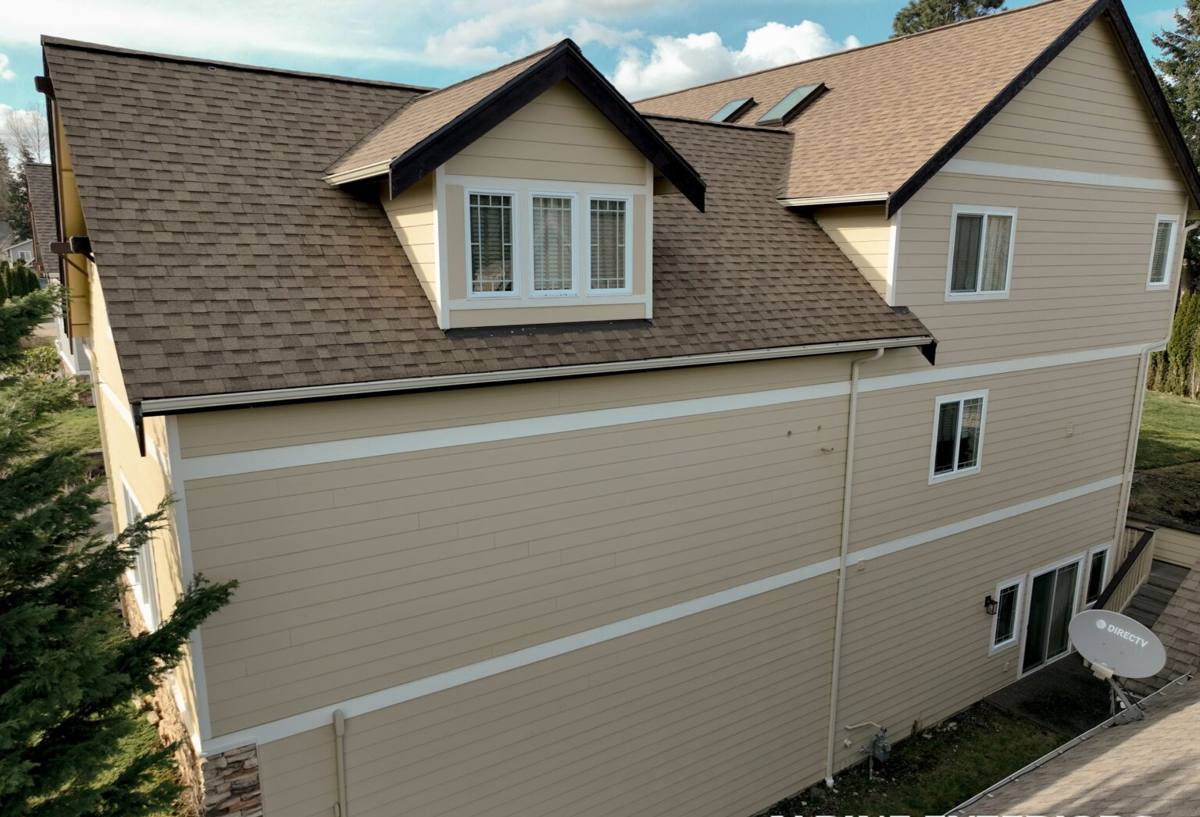
What a Correct Installation Actually Involves
A window replacement is not just pulling out an old unit and screwing in a new one that fits the hole. Done right, it's a small waterproofing project with a window in the middle of it. That matters more in a place like California Creek, where wind-driven rain will find any gap and salt air will corrode any fastener that isn't rated for it.
The steps that actually protect the wall
- Remove the old unit and inspect the rough opening for rot, soft sheathing, or old leaks before anything new goes in
- Install a sloped sill pan so any water that does get past the window drains back outside instead of into the wall cavity
- Flash the opening in the correct shingle-lap order — sill, then sides, then head — so water always moves downward and outward
- Use corrosion-resistant fasteners and hardware suited to salt-air exposure, not standard interior-grade screws
- Seal and insulate the gap between the window frame and rough opening without trapping moisture behind the trim
- Tie the new flashing back into the existing weather-resistive barrier or siding so water has one continuous path off the wall
Skip any one of these steps and the window itself can be excellent quality and still fail early — usually as hidden rot behind the trim long before anyone notices a drip inside the house.
Choosing a Frame Material for This Climate
There's no single "best" window material for every house, but in a salt-air, high-moisture environment the trade-offs matter more than they would somewhere drier. Here's how the common options actually perform in conditions like California Creek sees.
| Frame Material | How It Handles Salt Air & Moisture | Maintenance Burden |
|---|---|---|
| Vinyl | Doesn't corrode or rot; seams and welds are the main long-term watch point | Low — occasional cleaning |
| Fiberglass | Very stable dimensionally, resists moisture and salt well, holds paint if refinished | Low to moderate |
| Wood (unclad) | Handsome but vulnerable to rot and swelling if finish is neglected near the coast | High — regular refinishing needed |
| Aluminum-clad wood | Cladding protects exterior face, but salt air accelerates wear on hardware and unprotected joints | Moderate |
Our standard recommendation for this part of Whatcom County leans toward vinyl or fiberglass for most homes, simply because they hold up to salt exposure with the least ongoing upkeep. That's a maintenance and moisture-behavior call, not a statement that other materials are unusable — a well-detailed wood or clad-wood window can still perform fine if the homeowner is committed to the finish schedule it needs.
Glass and hardware details worth asking about
Low-E glass and proper gas-filled double or triple-pane units matter for comfort and condensation control, but in California Creek the hardware often matters just as much as the glass package. Locks, hinges, and cranks that aren't corrosion-rated will start sticking or pitting years before the sash itself shows wear. Ask what hardware finish and coating a proposed window uses before you compare price tags — a cheaper window with marine-grade hardware can outlast a pricier one with standard fittings.
Our Process for California Creek Window Projects
We keep this straightforward, and we don't rush the parts that determine whether the job holds up.
- On-site assessment — we look at the existing openings, siding condition, and any signs of past water intrusion before quoting anything
- Precise measurement — custom windows are ordered to the actual opening, not a stock size, which matters on older Blaine-area homes where openings are rarely perfectly square
- Removal and inspection — old units come out carefully so we can check sheathing and framing for hidden rot before it's covered up again
- Flashing and sill pan installation — this is the step that actually keeps water out long-term, and it's where we spend the most care
- Window installation and shimming — set plumb, level, and square, with proper fastening for wind load
- Sealing and trim — exterior sealant, interior finish work, and a final check of operation and weatherstripping
- Site cleanup — old windows and debris hauled off, work area left as we found it
Because we're already familiar with how homes in this pocket of Blaine are built, we're not guessing at flashing details or hardware choices on the fly — we've made those calls here before.
Signs Your Current Windows Are Losing the Battle
Homeowners in California Creek usually notice one of a handful of warning signs before calling. If any of these sound familiar, it's worth getting eyes on the openings before the damage spreads into the wall framing.
- Fogging or moisture trapped between panes, which means the seal has failed and the insulating gas is gone
- Sashes that stick, won't latch, or feel loose in the frame — often a sign of frame swelling, warping, or corroded hardware
- Soft or discolored trim and drywall around the window, which usually means water is already getting behind it
- Visible green or black growth on the frame or nearby siding, common wherever moss and algae have a steady damp surface to work with
- Noticeable draft or a cold spot near the window even with it fully closed
None of these mean the whole house needs new windows at once. Often it's a handful of openings — usually the ones facing the prevailing wind and rain — that are failing well ahead of the rest.
Living With New Windows Here: Maintenance That Actually Matters
New windows reduce the maintenance burden, but "low-maintenance" doesn't mean "no-maintenance" in a salt-air, high-moisture climate. A little seasonal attention goes a long way toward hitting the full lifespan of the product.
- Rinse frames and hardware periodically to clear salt residue, especially on sides facing open water or prevailing wind
- Keep weep holes clear of debris, pollen, and moss so water can drain out of the frame as designed
- Check exterior caulking annually and touch up any cracked or shrunken sealant before the wet season sets in
- Lubricate locks and cranks periodically to keep salt air from seizing moving hardware
- Trim back vegetation or moss buildup that keeps a window frame shaded and damp longer than it needs to be
Permits, Code, and Working With Existing Siding
Window replacement in Whatcom County typically falls under standard residential permitting requirements, and structural changes to an opening size can trigger additional review. We handle that coordination as part of the job rather than leaving it to the homeowner to sort out. Where a window sits within existing siding — which is most of what we see in this area — the bigger practical question is how the new flashing ties back into the current wall covering without creating a new leak path at the edges. That's a detail that's easy to get wrong if the crew doing the windows isn't thinking about the siding at the same time, which is one reason we treat the two as connected work rather than separate trades.
Why Hire a Crew That Already Works California Creek
Every coastal neighborhood has its own quirks — prevailing wind direction, how exposed a given lot is to salt spray, which sides of a house stay damp longest through the moss season. A crew that's worked this specific area already knows which details to prioritize instead of applying a generic install approach and hoping it holds. That local familiarity shows up in small decisions: which hardware finish to spec, how much flashing overlap to use on a wind-exposed elevation, and which older homes in the area are likely to have rough openings that need extra attention before a new window goes in.
It also matters for accountability. A contractor who plans to keep working in California Creek has a real incentive to get the flashing and sealing right the first time, because a callback for a leak is a conversation with a neighbor, not a stranger three counties away.
Get a Straightforward Estimate
If your windows are showing their age, fogging, sticking, or letting in more draft than they used to, it's worth having them looked at before another wet season adds to the damage. We offer free, no-pressure estimates for custom window projects in California Creek and throughout the Blaine area — use the form below to get a time on the calendar.