 Blaine
 Windows Built for Dakota Creek's Weather, Not Just Any Weather
Dakota Creek sits close enough to the water that homes here take on a different kind of weather load than houses even a few miles inland. Salt-laden air moves in off the bay, wind-driven rain hits window walls sideways for days at a stretch, and the shaded, damp stretches of the year keep moss and mildew active longer than most homeowners expect. Windows that were fine when they were installed start showing their age faster out here — swollen sashes, foggy glass, soft trim, and frames that never quite dry out between storms.
A custom windows job in this area isn't just about picking a style you like. It's about matching the window, the frame material, and the installation details to what Whatcom County's marine climate actually does to a house year-round. That's the lens we use on every Dakota Creek project, whether it's one problem window or a full-house replacement.
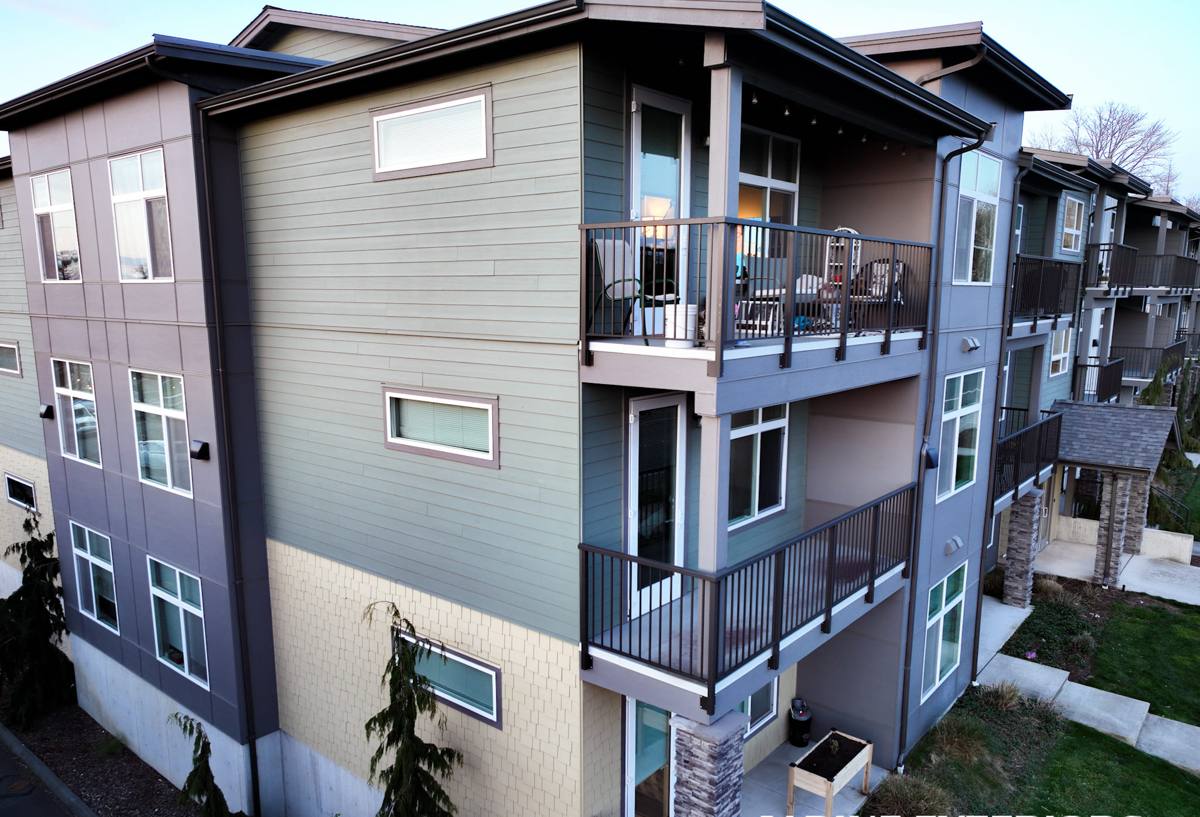
How Local Conditions Wear Down Windows Over Time
Understanding the failure pattern helps explain why we make the recommendations we do. Three things drive most of the window problems we see in this part of Blaine:
Salt Air
Airborne salt is corrosive to unprotected metal hardware — hinges, cranks, balance mechanisms, and some cheaper aluminum components. It also breaks down certain sealants and finishes faster than manufacturers' general warranty testing accounts for, since that testing is rarely done in a coastal environment like this one.
Driving Rain
Wind-driven rain doesn't just fall on a window — it gets pushed into every gap, seam, and fastener hole under real pressure. A window that would stay dry in calm rain can leak in a Dakota Creek storm if the flashing detail, sill pan, or sealant joint isn't done correctly. Most window leaks we get called out for aren't a bad window — they're a bad installation detail.
Extended Moss and Mildew Season
Shaded exposures and prolonged dampness let moss, algae, and mildew get a foothold on window sills, trim, and frame joints for a longer stretch of the year than in drier climates. Left alone, that growth holds moisture against wood trim and caulk lines, accelerating rot and seal failure.
Signs Your Current Windows Are Losing the Battle
Homeowners in Dakota Creek usually notice one of these before they call us:
- Fogging or a hazy film between panes of double-pane glass — a sign the seal has failed and the gas fill or insulating air gap is gone
- Sashes that stick, drag, or won't stay up without a prop — often swelling from moisture intrusion in the frame
- Soft or discolored wood trim around the window, especially at the bottom corners
- Persistent drafts you can feel on a windy day even with the window latched
- Moss or dark streaking building up on the sill or lower sash faster than you can keep it cleaned off
- Condensation forming on the inside of the glass regularly, even in mild weather
Any one of these can be a minor fix. Several together, especially on windows original to the house, usually mean it's more cost-effective to replace than to keep patching.
What a Correct Custom Window Installation Actually Involves
"Custom" doesn't just mean the window is sized to your rough opening — though on older Blaine-area homes with settled framing, that's often true and off-the-shelf sizes don't fit cleanly. It means the whole assembly is built and installed to handle the specific conditions of that opening: its sun exposure, its rain exposure, and how much wind-driven water it's likely to see.
A job done right includes:
- Accurate measurement of the actual opening — not the nominal size, accounting for any settling or out-of-square conditions common in older framing
- A properly sloped sill pan or flashing system so any water that does get behind the trim drains out and away from the wall assembly instead of pooling
- Correct sealant and backer rod work at every joint, using products rated for exterior, marine-exposure use rather than general-purpose caulk
- Proper shimming and fastening so the frame stays square and doesn't rack or bow under wind load
- Insulation of the gap between the new frame and the rough opening — done without overpacking, which can bow the frame and cause it to bind
- Interior and exterior trim work that sheds water correctly and doesn't trap moisture against the siding or drywall
Skipping any one of these is how a brand-new window ends up leaking within a year or two. The window product matters, but the installation detail is what actually keeps water out in this climate.
Choosing the Right Frame Material for a Coastal, Wet Climate
There's no single "best" window material for every home — it depends on your budget, your home's style, and how much upkeep you want to take on. Here's how the common options compare for a salt-air, high-rain environment like Dakota Creek:
| Frame Material | Salt Air / Moisture Resistance | Maintenance | Typical Lifespan |
|---|---|---|---|
| Vinyl | Very good — doesn't corrode or rot | Low; occasional cleaning | 20–30+ years |
| Fiberglass | Excellent — very stable in moisture and temperature swings | Low | 30+ years |
| Aluminum | Fair — prone to corrosion near salt air unless properly coated | Moderate; watch for pitting and hardware corrosion | 20–25 years, shorter near the water |
| Wood / Wood-clad | Fair to good depending on cladding; bare wood is vulnerable | High; regular finish upkeep on exposed wood | 15–25 years without diligent maintenance |
For most Dakota Creek homes, we lean toward vinyl or fiberglass frames for their resistance to moisture and corrosion, especially on elevations that take the brunt of the weather. Wood-clad or full wood windows can still be the right call for a period-style or historic-look home — we just make sure you understand the maintenance commitment going in, rather than finding out the hard way after a few wet winters.
Glass Packages and Hardware Worth Paying Attention To
The frame gets most of the attention, but the glass package and hardware matter just as much for comfort and long-term performance:
Glass
Double-pane windows with a low-E coating and an argon gas fill are the standard baseline for this region's energy codes and perform well in our mild-but-damp climate. Triple-pane glass adds meaningful sound dampening and a slightly warmer interior glass surface — worth considering on a busy road or a north-facing wall, but not always necessary for every opening.
Hardware
Cranks, hinges, and locking mechanisms should be corrosion-resistant hardware rated for coastal use, not standard-grade parts. This is one of the most common places we see premature failure on lower-cost window installs near the water — the glass and frame are fine, but the hardware seizes or corrodes within a few years.
Our Process, Start to Finish
- Free on-site assessment — we look at your existing windows, note problem areas, and measure openings
- Honest recommendation — we walk you through frame material, glass package, and style options suited to that specific window's exposure, not a one-size pitch
- Written estimate — clear scope, materials, and pricing before any work is scheduled
- Custom ordering and fabrication — windows built to your actual opening dimensions
- Removal and installation — old windows removed, openings inspected for hidden rot or water damage before the new unit goes in
- Flashing, sealing, and trim — done to the standard described above, not shortcut
- Final walkthrough — we test operation, check seals, and clean up before we consider the job done
If we find hidden rot or water damage behind an old window during removal — which happens more often on older Dakota Creek homes than people expect — we stop and talk with you about it before proceeding, rather than sealing a problem back up inside the wall.
Keeping New Windows Performing Once They're In
A correctly installed window in this climate still benefits from a bit of seasonal attention. A simple annual routine goes a long way:
- Rinse sills and lower sashes to clear salt residue, especially after storms with onshore wind
- Brush or wash off moss and algae buildup before it has a chance to hold moisture against trim or sealant
- Check that weep holes on vinyl and fiberglass frames are clear and draining
- Test locks and cranks for smooth operation and lubricate hardware as needed
- Look for any new gaps in exterior caulking, particularly after the first winter in a new install
- Wipe down interior sills if condensation collects during cold snaps
None of this takes long, and it's the difference between a window system that lasts its full expected lifespan and one that starts showing problems early because moisture was left to sit.
Why Local Experience in This Area Matters
A window that's rated and installed correctly for a drier inland climate can still underperform here if the contractor isn't accounting for Dakota Creek's specific exposure to salt air and driving rain off the bay. A crew that regularly works this part of Whatcom County already knows which elevations on a typical local home take the worst weather, which frame materials hold up and which don't, and where the common hidden-damage spots are on houses of this area's age and construction. That local knowledge shows up in fewer callbacks, fewer surprises during removal, and a window system that's actually built for the conditions it has to survive, not a generic install.
If you're dealing with foggy glass, drafty frames, sticking sashes, or windows that just aren't keeping up with Dakota Creek's weather anymore, we're happy to take a look. Reach out for a free, no-pressure estimate using the form below — we'll assess your windows honestly and give you straight options, not a hard sell.