 Blaine
 Window Installation in Grandview: Built for Blaine's Coastal Weather
Grandview sits close enough to the water that homes here take a different kind of weather beating than houses further inland in Whatcom County. Salt-laden air off the water, wind-driven rain that comes in sideways more often than straight down, and a moss season that can stretch for months all work on window frames, sills, and seals year after year. Window installation done right in this part of Blaine has to account for all three, not just fit a new window into an old hole and caulk around the edges.
We install windows across Blaine and Whatcom County, and the Grandview area gets the same attention to detail every home near the water needs: proper flashing, correct fastening for the wind exposure, and materials that hold up under salt and moisture instead of just looking good on install day.
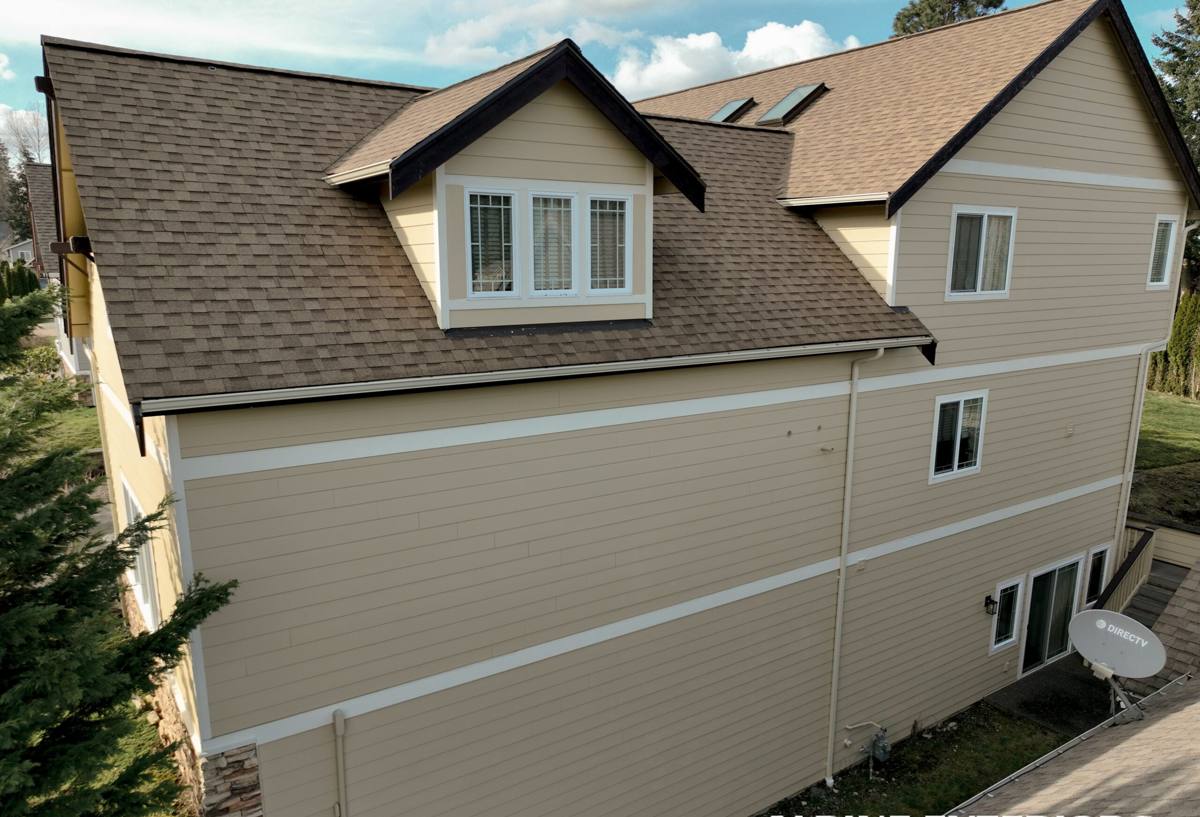
What Blaine's Salt Air, Rain, and Moss Really Do to Windows
Salt Air and Metal Components
Salt in the air accelerates corrosion on anything metal, including window hardware, screen frames, uncoated fasteners, and older aluminum sashes. On a home close to the water, hardware that would last decades further inland can start pitting or seizing up in half that time. This is one reason we pay attention to fastener and hardware specs on every install, not just the glass and frame — a beautiful window with corroding hardware becomes a hard-to-open, hard-to-latch problem within a few years.
Driving Rain and Water Intrusion
Wind off the water pushes rain into gaps that would stay dry in a calmer climate. A window that's caulked shut but not properly flashed will often look fine for a year or two, then start leaking into the wall cavity where nobody sees it until there's rot or drywall staining showing up inside. Driving rain is unforgiving of shortcuts in the flashing and weather barrier work, and it finds every gap eventually, especially on walls that take wind straight on.
Moss, Mildew, and Prolonged Dampness
Whatcom County's long wet season keeps north-facing and shaded walls damp for extended stretches, which is exactly the environment moss and mildew need to take hold. Wood sills and trim that stay damp too long soften and rot from the inside before it's visible from the outside. Good installation includes sill design and drainage detailing that lets water shed instead of pool against the frame, so moss and mildew have less to work with in the first place.
Signs a Grandview Home Needs New Windows
Not every window problem means full replacement, but these are the signs worth taking seriously in a coastal climate like this one:
- Soft or spongy wood at the sill or lower frame corners
- Fogging or a permanent haze between the panes of a double-pane window (seal failure)
- Visible daylight, drafts, or whistling around the frame in wind
- Paint that keeps bubbling or peeling near the window despite repainting
- Hardware that's stiff, corroded, or won't latch fully
- Condensation forming on the inside of the glass regularly, even in mild weather
- Windows that are painted or swollen shut and no longer operate
Any one of these can be a minor fix. Several together, especially on the side of the house that takes the worst weather, usually means the window and its flashing have been failing for a while and it's worth a proper look before it turns into a wall repair.
What a Correct Installation Actually Involves
Removing the Old Window Without Damaging the Opening
The rough opening underneath an old window tells a crew a lot: whether there's existing rot, whether the old flashing was done correctly, and whether the sheathing and framing underneath are sound. Rushing removal can hide problems that then get sealed behind the new window, which is how small issues become expensive wall repairs down the road.
Flashing and Water Management
This is the part of a window install nobody sees once it's finished, and it's the part that matters most in a climate like Blaine's. Proper flashing sheds water down and out of the wall assembly rather than letting it collect behind the siding or sill. A sill pan, correctly lapped house wrap or weather barrier, and flashing tape layered in the right order are not optional extras here — they're the difference between a window that lasts and one that quietly rots the wall around it while looking fine from the curb.
Sealing, Insulating, and Finishing
Once the window is set level, plumb, and fastened, the gap around the frame needs to be insulated and air-sealed without over-packing it, which can bow the frame and affect how the window operates. Exterior caulking is the last line of defense, not the first. It should never be asked to do the job that flashing is supposed to do.
Choosing a Style That Suits the Exposure
Style matters for weather performance, not just looks. Casement windows compress against their frame when they close, which generally gives a tighter seal against driving rain than a sliding sash design. Single- and double-hung windows are still a good fit on many walls, especially where they match the existing look of the home, but on the side that takes the worst of the wind and rain we'll usually talk through whether a tighter-sealing style makes sense.
Choosing Window Materials for This Climate
Material choice matters more near the water than it does further inland. Here's how the common options hold up under salt air, rain, and Whatcom County's damp season:
| Material | How It Handles This Climate | Maintenance |
|---|---|---|
| Vinyl | Won't rot or corrode; handles salt air and moisture well | Low — occasional cleaning |
| Fiberglass | Very stable through temperature and moisture cycling; strong long-term option near the coast | Low |
| Aluminum | Durable but prone to corrosion and condensation in salt air unless properly coated | Moderate — watch for pitting and hardware wear |
| Wood / Wood-clad | Attractive but needs consistent upkeep in a wet, salt-air climate | High — refinishing and moisture monitoring |
We don't push one brand or material on every home. What we do insist on is being honest about the maintenance a material will actually require once it's living a few blocks from saltwater and getting rained on for much of the year. A wood window can absolutely work in Grandview — it just needs an owner willing to stay on top of it, and we'll say so plainly before you buy rather than after.
What Affects the Cost
Window installation pricing varies a fair amount from job to job, and honest contractors won't quote a flat number sight unseen. The biggest factors are how many openings you're replacing, the size and shape of each one, the material you choose, and whether the crew finds rot or framing damage once the old window is out — that last one is impossible to know for certain until removal, which is exactly why we check the opening before we commit to a number. Straightforward vinyl replacements in standard sizes sit at the lower end of the range; larger, custom-shaped, or fiberglass units cost more, and any hidden repair work adds to the total. We'll walk through what's driving your number before any work starts, not after.
Our Window Installation Process in Grandview
- On-site assessment — we look at the existing windows, the wall assembly where it's accessible, and the specific exposure your home has to wind and rain.
- Honest recommendation — material, style, and where we think replacement is worth it versus a repair, with no pressure to upsell beyond what your home actually needs.
- Careful removal — old windows come out without tearing up siding or trim more than necessary, and we check the opening for hidden rot or damage before anything new goes in.
- Flashing and weather barrier work — done to actually shed water correctly, not just to look sealed once the trim goes back on.
- Installation and finish — window set level and square, insulated, sealed, and trimmed to match the home.
- Walkthrough — we show you what was done and what to watch for going forward.
Why a Crew That Already Works in Grandview Matters
Window installation isn't a one-size-fits-all job, and a crew that's already worked in Grandview and around Blaine knows what this specific stretch of Whatcom County throws at a house: the wind exposure, the rain angles, how fast moss establishes on shaded siding, and which details matter most on homes this close to the water. That's not something you get from a crew that mostly works dry inland neighborhoods and treats every coastal home like a standard install.
Local experience also means fewer surprises with permitting and code requirements specific to Whatcom County, and a realistic sense of timelines given the weather windows we actually get here. Scheduling around the wet season is part of doing this work right in Blaine, not an afterthought tacked on at the end.
After Installation: Keeping Windows Performing in This Climate
A correctly installed window still benefits from a little seasonal attention in a place like this:
- Rinse salt residue off frames and hardware periodically, especially after storms off the water
- Check exterior caulking every year for cracking or gaps and touch it up before it fails outright
- Keep gutters and downspouts clear so water isn't sheeting down past windows and overwhelming the flashing
- Clear moss or debris from sills and tracks before it holds moisture against the frame
- Operate hardware periodically through the wet season so it doesn't seize up from disuse and dampness
None of this is heavy maintenance, but skipping it is how a well-installed window still ends up with problems a decade earlier than it should.
If you're noticing drafts, fogged glass, or worn-out windows on your Grandview home, we're glad to take a look and give you a straightforward, no-pressure estimate — no hard sell, just an honest read on what your windows need and what it would take to fix them right. Use the form below to get started.