 Blaine
 Building New in Grandview? Get the Windows Right the First Time
New construction is the one chance to install windows correctly from the studs out, before siding, trim, and interior finishes cover up the details that matter most. In Grandview, a stone's throw from the Strait of Georgia and Drayton Harbor, that first installation has to account for salt-laden air, wind-driven rain, and a moss season that runs long and wet most of the year. Get the window opening, flashing, and unit selection right during framing, and you avoid a decade of callbacks. Get it wrong, and the mistakes hide behind drywall and siding until a leak forces an expensive tear-out.
We install new-construction windows for builders and homeowners throughout Whatcom County, and Grandview is part of our regular route. That matters more than it sounds — a crew that already knows how wind off the water behaves on this stretch of coastline builds a tighter opening than one seeing it for the first time.
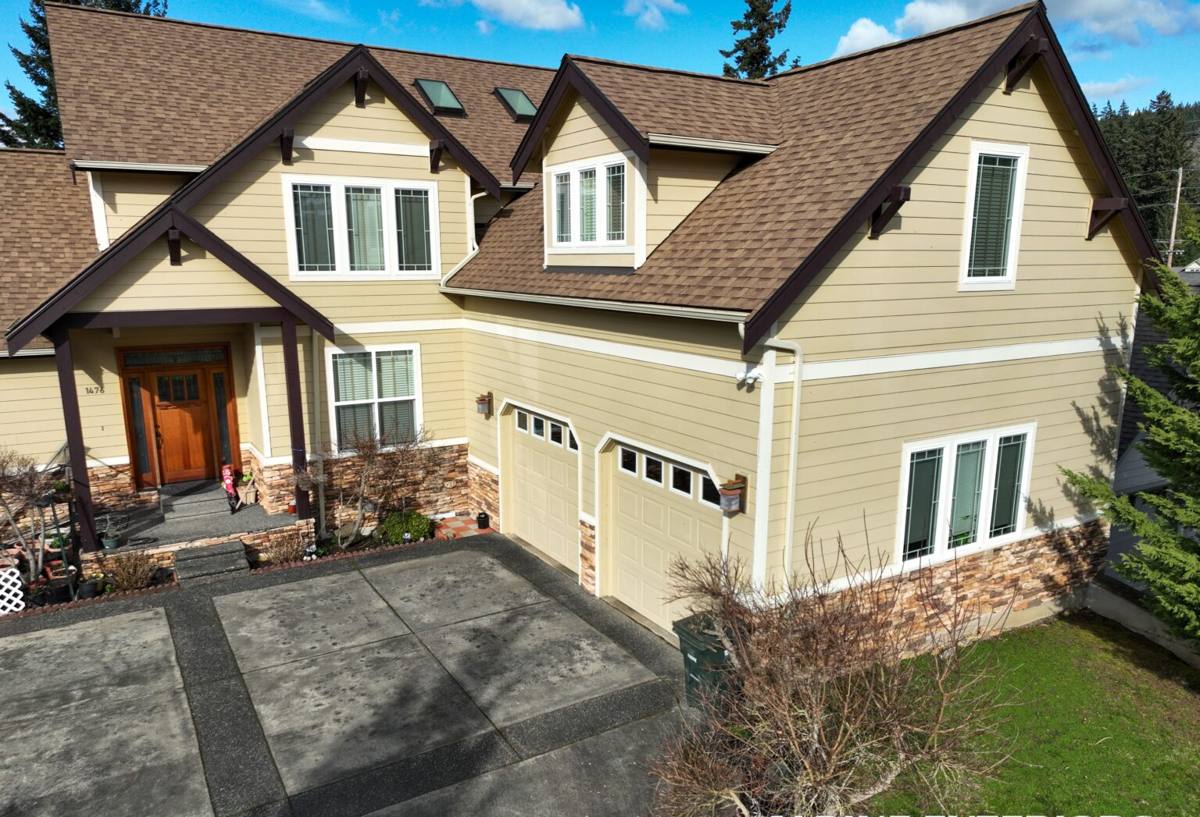
What Grandview's Climate Demands From a New Window Install
Salt Air and Corrosion
Proximity to Semiahmoo Bay and the Strait means airborne salt settles on everything, including window hardware, fasteners, and exposed metal flashing. Left unaddressed, ordinary steel fasteners and lower-grade hardware corrode faster here than they would twenty miles inland. New construction lets us spec corrosion-resistant fasteners and flashing from the start, instead of retrofitting after hardware starts staining or seizing.
Wind-Driven Rain
Rain in this part of Whatcom County rarely falls straight down. Wind pushes it sideways into wall assemblies, which means window flashing has to shed water outward and downward at every layer — head, jambs, and sill — not just rely on caulk to keep water out. Caulk is a backup, not a strategy.
Moss and Sustained Moisture
Long stretches of damp, mild weather keep moss and algae active for much of the year. On window sills, trim, and anywhere water can pool or linger, that sustained moisture accelerates rot in untreated wood and breaks down poor sealant faster than in drier climates. New-construction detailing should minimize flat surfaces where water and organic growth can sit.
What a Correct New-Construction Window Install Actually Involves
A window is only as good as the opening it sits in. New construction gives us access to the rough opening before it's covered, which is the single biggest advantage over a retrofit or replacement job.
- Rough opening framed to the exact manufacturer specification, square and level, with proper shim space
- Weather-resistive barrier (house wrap) integrated with the opening before the window goes in, not patched around it afterward
- Sill pan flashing installed first, sloped to drain water outward, so any water that gets past the window has somewhere to go besides the wall cavity
- Window set plumb, level, and square, then mechanically fastened per manufacturer instructions — not just foamed or caulked in place
- Flashing tape or membrane applied in the correct shingle-lap order: sill, then jambs, then head, so each layer overlaps the one below it
- Head flashing installed to direct water away from the top of the window and out over the layer below
- Low-expansion window foam or backer rod and sealant used around the frame for insulation without bowing the frame
- Interior and exterior trim installed after the window is confirmed to operate correctly and the flashing is complete
Skipping or rushing any one of those steps is how new homes end up with hidden leaks within the first few wet seasons — long before the siding or paint shows any sign of a problem.
Choosing the Right Window for a Coastal Whatcom County Build
Not every window sold in the Pacific Northwest is built for a site this close to salt water. Frame material, glass package, and hardware all affect how a window holds up here.
| Frame Material | Coastal Performance | Trade-Offs |
|---|---|---|
| Vinyl | Good moisture and salt resistance, low maintenance | Limited color/finish options; can expand/contract with temperature swings |
| Fiberglass | Excellent dimensional stability, strong resistance to moisture and corrosion | Higher upfront cost than vinyl |
| Aluminum | Strong and slim sightlines, but prone to corrosion near salt air without proper coatings | Needs marine-grade or coated hardware; higher maintenance near the water |
| Wood (clad exterior) | Classic appearance, good performance when the exterior cladding is intact | Any breach in the exterior cladding exposes wood to rot risk in a wet climate |
For most new builds in Grandview, we steer homeowners toward vinyl or fiberglass frames with corrosion-resistant hardware, simply because they hold up with the least maintenance in this environment. Wood-clad windows can still be the right call for a specific architectural look — we just make sure the homeowner understands the added upkeep that comes with it, particularly around joints and cladding seams.
Glass and Weatherstripping Considerations
Dual-pane, low-E glass is standard for new construction in this region and helps with both energy performance and condensation control during our cold, damp winters. Quality weatherstripping matters just as much as glass — it's what keeps wind-driven rain from finding its way in around an operable sash, and it's one of the first things to degrade on a cheaper window.
Our Process for New-Construction Window Installs
- Plan review: We look at the window schedule and rough opening dimensions before framing is finalized, catching sizing or placement issues early.
- Framing coordination: We work with the builder's timeline so openings are framed correctly and ready when windows arrive.
- Flashing and weather barrier install: Sill pan, jamb, and head flashing go in before and around the window, integrated with the house wrap in the correct order.
- Window setting: Units are set plumb, level, square, and fastened per manufacturer specification.
- Insulation and sealing: Gaps are filled with low-expansion foam or backer rod and sealant, avoiding over-foaming that can bow a frame.
- Operation check: Every window is opened, closed, and locked to confirm smooth operation before trim goes on.
- Final inspection: We walk the exterior looking for any flashing lap, gap, or fastener that needs attention before siding covers the wall.
Cost Factors for New-Construction Windows
New-construction window costs vary based on several factors, and it's worth understanding them before a builder or homeowner budgets a project.
| Factor | Why It Affects Cost |
|---|---|
| Frame material | Vinyl is typically the most economical; fiberglass and wood-clad options cost more upfront |
| Window size and quantity | Larger openings and higher window counts increase both material and labor cost |
| Glass package | Upgraded low-E coatings or triple-pane glass add cost but improve energy performance |
| Site access and building height | Multi-story installs or difficult access require more labor and equipment time |
| Flashing and detailing complexity | Custom openings, bays, or unusual rooflines take more time to flash correctly |
We give straightforward, itemized estimates rather than a single lump number, so builders and homeowners can see exactly what's driving the cost on their specific project.
Why It Matters to Hire a Crew That Already Works Grandview
Flashing details that work fine in a dry inland climate aren't automatically adequate on a site exposed to wind off Semiahmoo Bay. A crew that regularly works new construction in Blaine and the surrounding Whatcom County coastline has already seen how water behaves against these homes in a real winter storm — not just in a manufacturer's installation diagram. That experience shows up in small decisions: how much overlap to give head flashing, which fastener finish to spec, where to add extra sealant redundancy around a corner window.
It also means fewer surprises for the builder. We know how our work needs to sequence with framing, house wrap, and siding crews on a typical Whatcom County job site, so window installation doesn't become the bottleneck that holds up the schedule.
Common Mistakes We See on New Builds Near the Water
- Skipping sill pan flashing because "the caulk will handle it" — caulk fails long before flashing does
- Flashing tape applied out of shingle-lap order, so water gets directed into the wall instead of away from it
- Standard steel fasteners used where corrosion-resistant hardware was warranted
- Windows foamed so aggressively the frame bows, causing the sash to bind or fail to seal properly
- Trim installed before operation is verified, requiring rework if the window doesn't function correctly
Every one of these is preventable with a careful, methodical install — which is the whole point of getting it right during new construction rather than discovering the problem after move-in.
Get a Free Estimate for Your Grandview New-Construction Project
If you're building new in Grandview or elsewhere near Blaine, we're happy to walk through your window schedule, talk through frame and glass options suited to a coastal Whatcom County site, and give you a clear, no-pressure estimate. Use the form below to get started.