 Blaine
 Salt Air, Rain, and Moss: What Grandview Siding Is Up Against
Grandview homes sit close enough to the water that salt-laden air is a constant, not an occasional nuisance. Combine that with Whatcom County's long wet season and the driving, wind-pushed rain that comes off the Salish Sea, and you have a climate that is hard on exterior building materials in ways that don't show up right away. Siding here doesn't fail because of one bad storm — it fails slowly, from years of moisture finding small gaps, salt air breaking down finishes, and shaded or north-facing walls staying damp long enough for moss and algae to take hold.
That slow-motion wear is exactly why siding installation in Grandview needs to be treated differently than a install in a drier, inland part of the state. The product has to tolerate constant moisture cycling. The installation details — flashing, clearances, fastening — have to assume that wind-driven rain will find any weakness. And the finish has to hold up to salt air without chalking, fading, or needing to be repainted every few years.
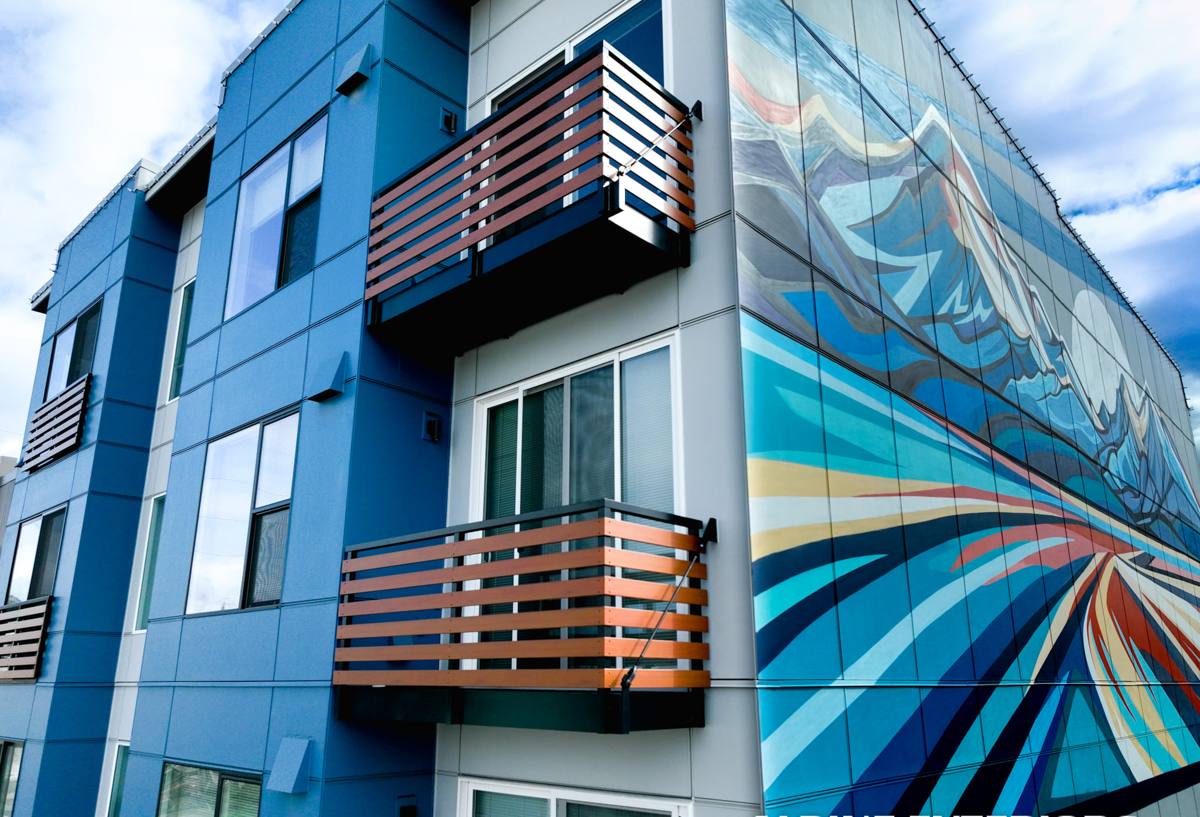
What a Correct Siding Installation Requires in This Environment
Siding is a system, not just a set of boards nailed to the wall. In a coastal, high-rainfall area like Grandview, a handful of details make the difference between siding that lasts decades and siding that starts showing problems in five to seven years.
Weather-Resistive Barrier and Flashing
Every wall needs a continuous weather-resistive barrier behind the siding, with flashing integrated at every window, door, and penetration so that any water that does get past the siding is directed back out, not trapped against the sheathing. This is the single most common place we find shortcuts on older Grandview homes — flashing that was skipped, taped over instead of properly lapped, or installed in the wrong order relative to the barrier.
Fastening and Clearances
Fiber cement siding has specific fastening patterns and clearance requirements — from the ground, from roof lines, from decks and patios — that exist specifically to keep the bottom edge of the siding from sitting in standing moisture. Skipping these clearances is a common cause of edge swelling and paint failure at the bottom courses of a wall, which is often the first place moisture damage shows up on homes near the water.
Caulking and Sealant Choices
Not all sealants perform the same in salt air and constant damp. We use sealants and caulking rated for the movement and moisture exposure this climate produces, applied only where the manufacturer's install spec actually calls for it — over-caulking a joint that's supposed to drain can trap water just as easily as leaving it unsealed.
Why We Install Only James Hardie Fiber Cement Siding
We made a decision, as a company, to install one siding system: James Hardie fiber cement. Not vinyl, not LP SmartSide, not Cemplank or Allura, not primed spruce or cedar. That's not a marketing angle — it's a standard we hold because of what this climate does to exterior materials over time.
Fiber cement is non-combustible and dimensionally stable in a way wood-based and engineered-wood products aren't, which matters when a product is going to spend decades absorbing and releasing moisture in a coastal, rain-heavy environment. James Hardie also builds region-specific product lines engineered for exactly this kind of exposure, and finishes those products with a factory-applied ColorPlus finish that's baked on under controlled conditions — which holds color and resists the chalking and fading that salt air and UV accelerate on field-applied paint. That combination is backed by a strong, transferable manufacturer warranty when the product is installed to spec, which is the other half of the equation: the material only performs as promised if the installation details above are actually followed.
Comparing Siding Materials for a Grandview Home
Homeowners researching siding options in Blaine will run into several materials. Here's an honest comparison of how they tend to perform in this specific climate, not a general national comparison.
| Material | Moisture Tolerance | Fire Rating | Long-Term Maintenance |
|---|---|---|---|
| James Hardie fiber cement | Engineered for high-moisture, coastal exposure | Non-combustible | Factory finish rarely needs repainting when installed to spec |
| Vinyl | Can warp or gap over time; seams are moisture entry points | Combustible, can melt/deform near heat | Low upkeep but fades and becomes brittle over years in sun and salt air |
| Wood or cedar | Absorbs moisture readily; prone to rot without diligent upkeep | Combustible | Regular refinishing/sealing required, more in wet climates |
| Engineered wood (e.g. LP SmartSide) | Treated to resist moisture but still wood-based at the core | Combustible | Edge sealing and paint maintenance are critical to prevent swelling |
Every one of these products has a legitimate place in the market. Our position is simply that, given what Grandview's climate does to a wall over 20-plus years, fiber cement with a factory finish is the option we're willing to put our name behind.
Our Grandview Installation Process
- On-site assessment. We look at existing siding condition, wall orientation (shaded, north-facing walls need different attention for moss and drying), and any signs of past moisture intrusion.
- Tear-off and sheathing check. Once old siding is removed, we inspect the sheathing and framing underneath for rot or hidden damage before anything new goes up — this is often where problems from a previous, incorrectly flashed installation surface.
- Weather barrier and flashing install. A continuous barrier goes on first, with flashing integrated at every window, door, and penetration per manufacturer detailing.
- Hardie panel or lap installation. Siding is installed to James Hardie's fastening, clearance, and gapping specifications — the details that determine whether the warranty is actually valid.
- Trim, caulking, and finish check. Because ColorPlus siding arrives factory-finished, there's no field painting required on the field of the wall; we focus finish work on trim and cut edges per spec.
- Final walkthrough. We review the completed work with the homeowner before calling the job done.
Common Issues We Find on Existing Grandview Siding
When we're called out to assess an older home in the area, a handful of problems come up repeatedly:
- Moss and algae staining concentrated on shaded or north-facing walls that stay damp longer between dry spells
- Caulk that has failed or cracked at trim joints, letting wind-driven rain behind the siding
- Siding installed with insufficient clearance from grade, decks, or roof lines, leading to swelling or rot at the bottom edge
- Flashing that was taped over rather than properly lapped with the weather barrier
- Vinyl siding that has warped, faded unevenly, or developed gaps at the seams after years of salt air exposure
Checklist: What to Ask a Siding Contractor in Blaine
Before hiring anyone to re-side a Grandview home, it's worth asking direct questions:
- Are you licensed and insured to work in Washington, and can you provide proof?
- Are your installers factory-trained or certified on the specific siding product being installed?
- Will you inspect and address sheathing or framing issues found during tear-off, and how is that communicated before extra work begins?
- What weather barrier and flashing details do you use, and do they meet the manufacturer's published installation spec?
- What does the manufacturer's warranty actually cover, and does it stay valid if the installer — not the manufacturer — made an error?
- Have you worked on homes in this specific area before, and do you understand its exposure to salt air and driving rain?
What Affects the Cost of a Siding Installation
Every home is different, so we quote based on a site visit rather than a flat rate. But the main factors that move the price up or down are consistent:
| Cost Factor | Why It Matters |
|---|---|
| Home size and wall complexity | More corners, gables, and dormers mean more cutting, trim, and labor time |
| Condition of existing sheathing | Rot or moisture damage found during tear-off requires repair before new siding goes on |
| Siding profile chosen | Lap siding, panel siding, and shingle-style Hardie products differ in material and labor cost |
| Trim and accent detailing | Additional trim boards, fascia, or accent bands add material and installation time |
| Site access | Tight lot lines, slopes, or limited staging area can affect scaffolding and labor time |
Why Local Experience in Grandview Matters
A crew that already works in this part of Whatcom County understands things a traveling or general contractor might miss — which walls in a given layout take the worst wind-driven rain, how long moss-prone shaded sides actually stay wet between dry stretches, and how to schedule tear-off and install work around the region's rain patterns so a home isn't left exposed longer than necessary. That local familiarity, paired with a single-product standard we can install correctly every time, is what keeps a siding job performing the way it's supposed to for the long run.
If you're planning a siding project for a Grandview home, we're happy to take a look and put together a free, no-pressure estimate — just fill out the form below.