 Blaine
 Composite Decking Built for Sumas's Wet Season, Not Just the Showroom
A deck in Sumas doesn't fail because the boards were ugly. It fails because water got somewhere it shouldn't have, because the substructure couldn't breathe, or because the wrong fasteners started corroding under the boards where nobody could see them. Whatcom County's long wet season, driving rain off the coastal weather systems, and the moss and algae growth that comes with months of shade and damp air all put real, ongoing stress on outdoor structures. Composite decking handles that stress better than most alternatives, but only when it's installed with that climate in mind — not just laid down the way a spec sheet from a warmer, drier region assumes.
This page is specifically about composite decking installation and replacement for homes in and around Sumas. If you're comparing materials, planning a new deck, or dealing with an aging deck that's starting to show its age, this covers what actually matters for this area.
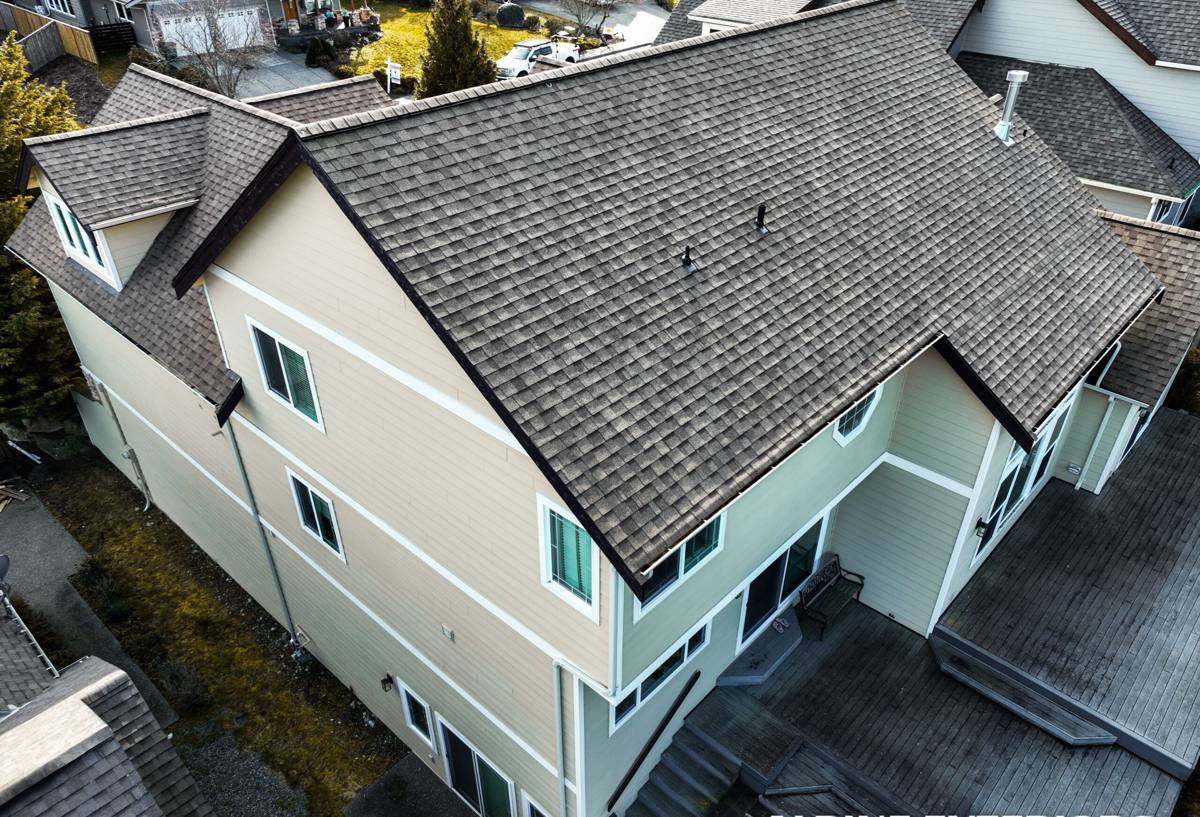
What Sumas Homes Actually Need From a Deck
Every deck in this region deals with the same basic conditions, but a few things stand out for Sumas specifically:
- Extended wet exposure. Long stretches of rain and overcast days mean decking sits damp far more of the year than it sits dry, which is exactly when cheap or uncapped boards start to stain, swell, or grow moss.
- Shade and moss pressure. Mature trees and fences common to this area create shaded pockets that stay damp long after the rest of the yard has dried — prime conditions for algae and moss to take hold on decking surfaces and in board grooves.
- Corrosion-prone hardware. Regional humidity and moisture exposure will eat through low-grade fasteners and brackets over a few seasons if the wrong hardware grade is used, regardless of how good the decking boards themselves are.
- Freeze-thaw swings. Whatcom County gets enough cold snaps that footings and ledger connections need to be built to handle minor ground movement, not just fair-weather loads.
None of this is unusual for the Pacific Northwest, but it does mean a deck built to a generic national spec sheet, without attention to local conditions, is starting life with a handicap.
Composite vs. Wood vs. PVC: What Actually Holds Up Here
We install composite decking as our standard recommendation for most Sumas homes, but it's worth understanding why, rather than taking that on faith.
| Material | Moisture Performance | Maintenance | Typical Lifespan | Notes for This Climate |
|---|---|---|---|---|
| Pressure-Treated Wood | Absorbs water, swells and checks over time | Annual staining/sealing required | 10–15 years | Needs the most upkeep to resist moss and rot in a wet climate |
| Capped Composite | Moisture-resistant shell resists absorption and staining | Periodic washing, no sealing | 25–30+ years (manufacturer-dependent) | Best balance of durability and low upkeep for this area |
| Uncapped Composite | Can absorb moisture at cut edges and surface over time | More prone to mold/moss in shaded, damp spots | 15–20 years | We use this sparingly and only where budget requires it |
| PVC/Cellular | Essentially non-absorbent | Low, but can show scratches more visibly | 25–30+ years | Solid option; higher upfront cost, different look than composite |
Capped composite is our default recommendation for most jobs in Sumas because it resists the two things that actually cause problems here — moisture absorption and moss/algae growth in shaded spots — without the annual sealing that wood demands.
Why We're Selective About Uncapped and Budget Boards
Uncapped or lower-tier composite boards aren't a scam, and we'll install them if that's what a budget calls for — but we're upfront that they behave differently in a wet climate. Exposed wood fiber at cut ends and board surfaces can wick moisture and support mold growth faster than a fully capped board. Where we do use them, we take extra care with end-cap sealing and drainage detailing to offset that risk.
What a Correct Composite Deck Installation Actually Involves
The boards get the attention because they're what you see. The parts that actually determine whether the deck lasts are underneath.
Framing and Substructure
Joist spacing has to match the manufacturer's specification for the board pattern — composite typically needs tighter spacing than wood framing habits assume, especially for diagonal or picture-frame layouts. We use joist tape over the framing to protect the wood substructure from the moisture that inevitably collects underneath decking in this climate, which is one of the most commonly skipped steps on lower-bid jobs.
Ledger and Flashing
Where a deck attaches to the house, the ledger board connection is the single highest-risk point for water intrusion behind siding. Proper flashing here isn't optional — it's the difference between a deck that stays a deck and one that eventually causes rot damage to the house itself.
Drainage and Airflow
Decking needs a slight slope away from the house and enough clearance underneath for air to move. Without it, moisture gets trapped, and trapped moisture is exactly what feeds mold, mildew, and the moss that this area is known for.
Fasteners and Hardware
We use hidden fastener systems designed for the specific composite product being installed, along with corrosion-resistant structural hardware for joist hangers, post bases, and ledger bolts. This matters more here than in drier climates — cheap hardware that would last two decades somewhere arid can start failing in under ten years under sustained regional moisture exposure.
Footings
Post footings are set to the appropriate depth for this area's frost conditions and soil, not just poured to whatever's fastest. A deck is only as stable as what it's standing on.
Cost Factors for a Composite Deck in Sumas
We don't publish flat prices because every deck is different, but these are the variables that actually move the number:
| Factor | Why It Affects Price |
|---|---|
| Deck size and shape | Square footage and cutting complexity (diagonals, curves, multiple levels) both add labor |
| Height off grade | Taller decks need more substructure, railings, and often stairs |
| Existing structure condition | Reusing sound framing costs less than full tear-off and rebuild |
| Board tier | Capped composite costs more upfront than uncapped, but usually less over the deck's life |
| Railing system | Composite, metal cable, and glass railings vary significantly in material cost |
| Site access | Tight lots or backyard-only access can add labor time for material handling |
How We Approach a Sumas Composite Decking Project
- On-site assessment. We look at the existing structure (if replacing), grade, drainage, sun/shade exposure, and how the deck connects to the house.
- Honest scope and estimate. You get a clear breakdown of what's being replaced versus reused, and why — no padded scope, no vague allowances.
- Framing and structural work. This is where the durability actually gets built in: joist spacing, joist tape, flashing, footings, and hardware grade.
- Decking, railing, and finish work. Boards installed with hidden fasteners, proper board gapping for seasonal expansion, and clean edge/fascia detailing.
- Final walkthrough. We go over the deck with you, explain any maintenance basics specific to the boards installed, and make sure you know what to expect from it.
Living With Moss Season: Realistic Maintenance
Composite decking is low-maintenance, not no-maintenance. In a climate with a genuine moss season, a small amount of seasonal attention keeps a deck looking and performing the way it should for its full lifespan.
- Sweep debris (leaves, needles, seed pods) off the deck regularly — trapped organic matter is what feeds moss and algae growth.
- Rinse the surface periodically, especially in shaded areas, with plain water or a mild soap-and-water solution.
- Avoid pressure washing at close range or high PSI — it can damage the cap layer on composite boards.
- Keep gutters and downspouts near the deck clear so runoff isn't dumping extra water onto the structure.
- Check railing posts and stair connections annually for any looseness, especially after winter freeze-thaw cycles.
- Trim back overhanging vegetation where practical to reduce shade and speed up drying time on the deck surface.
Why It Matters That We Already Work in This Area
A contractor who mostly builds in drier or milder climates can still put together a deck that looks right on installation day. The difference shows up two or three winters later — in how the ledger flashing holds up, whether moss takes over the shaded corner, and whether the hardware underneath is still solid. Working regularly in Whatcom County means we're not guessing at how driving rain, extended damp seasons, and moss pressure affect a deck over time — we're building for it from the start, and we stand behind the work because we're the ones who'll hear about it if something goes wrong.
Signs an Existing Deck Needs Attention
If you're not sure whether you need a repair, a rebuild, or just a good cleaning, these are worth flagging:
- Soft, spongy, or visibly sagging boards
- Rust streaks or corrosion around fasteners and brackets
- Persistent moss or algae that comes back quickly after cleaning
- Gaps or movement at the ledger board where it meets the house
- Railing posts that wobble or feel less solid than they used to
- Visible water staining on siding or trim near the deck attachment point
Any of these can be an early sign of moisture getting into places it shouldn't, and catching it early is almost always cheaper than waiting.
If you're weighing a new composite deck or need an honest read on whether your current one is holding up, we're glad to come take a look. The estimate is free, there's no pressure, and you'll get a straight answer about what your deck actually needs.