 Blaine
 New Roofs Built for Birch Point's Marine Climate
Birch Point sits close enough to the water that homes here take a different kind of weather beating than a house a few miles inland in Blaine. Salt-laden air, wind-driven rain off the Strait of Georgia, and a moss season that can run eight months out of the year all work against a roof at the same time. A new roof installation out here isn't just "put shingles on a house" — it's a system that has to handle corrosion, wind uplift, and constant moisture without babying it every season.
We install new roofs for homes throughout Blaine and the rest of Whatcom County, and Birch Point is one of the areas where we see the most roof failures that trace back to a job that was done to a generic spec instead of a coastal one. This page covers what a correctly built new roof looks like for this neighborhood, what our installation process involves, and what to actually check for before you hire someone.
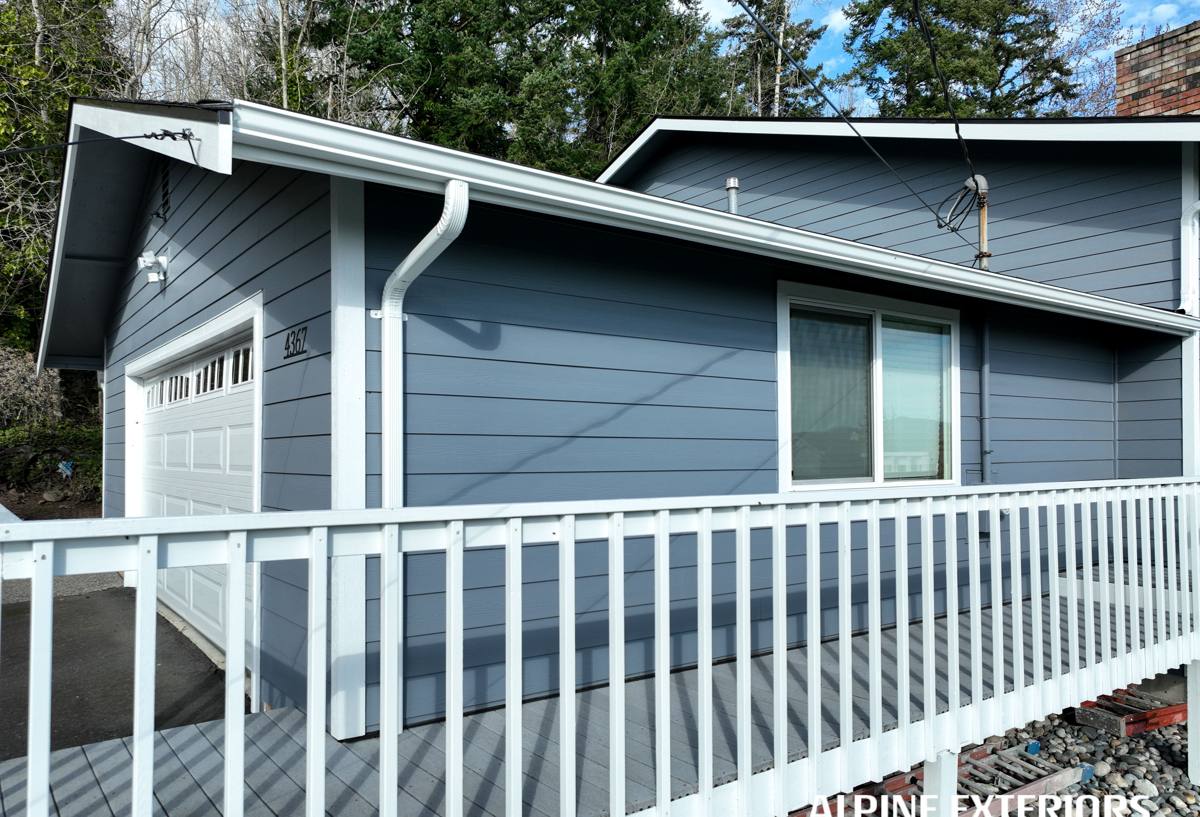
What Birch Point's Climate Does to a Roof
Salt Air and Corrosion
Proximity to saltwater accelerates corrosion on any exposed metal — nails, flashing, vents, and fasteners. A roofing package that would hold up fine 20 miles inland can start rusting at the fastener heads within a few years out here if the wrong materials were used. This shows up first as rust streaking below flashing and vent boots, then eventually as leaks once the metal itself thins out.
Driving Rain
Storms coming off the water don't just drop rain straight down — wind pushes it sideways and up under laps, edges, and penetrations that would stay dry in a calmer climate. Underlayment quality, flashing detail, and how tightly the shingle courses are sealed matter more here than they do in a low-wind, low-rain region.
Moss and Constant Moisture
Whatcom County's long wet season keeps roofs damp for extended stretches, and shaded or north-facing slopes at Birch Point are especially prone to moss and algae growth. Moss isn't just cosmetic — its root structure lifts shingle edges and holds moisture against the roof deck, which speeds up rot and shortens the life of the roofing material underneath it.
What a Correct New Roof Installation Involves
A new roof is only as good as the parts nobody sees once it's finished. For Birch Point specifically, we pay close attention to a few things that get skipped on cheaper jobs:
- Deck inspection and repair — any soft, delaminated, or water-stained sheathing gets replaced before anything else goes down. Roofing over a compromised deck just hides the problem.
- Ice-and-water shield at vulnerable areas — valleys, eaves, and around penetrations get a self-adhering waterproof membrane, not just felt, since these are the spots wind-driven rain finds first.
- Corrosion-resistant fasteners and flashing — given the salt air, we don't use bare or low-grade galvanized metal where it will be exposed long-term.
- Proper ventilation — balanced intake and exhaust venting keeps the attic dry and temperature-stable, which matters for both moisture control and shingle lifespan.
- Tight, code-correct flashing details — chimneys, skylights, sidewalls, and any roof-to-wall transitions are where most leaks actually start, not in the open field of the roof.
Roofing Materials: What We Recommend and Why
There's no single "best" roof for every house, but for a coastal Whatcom County property some options make more sense than others once you factor in moss resistance, wind performance, and long-term maintenance.
| Material | Moss/Moisture Behavior | Wind Performance | Maintenance |
|---|---|---|---|
| Architectural asphalt shingle | Good with algae-resistant granules; still needs periodic moss removal on shaded slopes | Strong when rated and installed with proper nailing pattern | Low — occasional cleaning |
| Standing seam metal | Excellent — moss struggles to establish on a smooth, sloped metal surface | Very strong, especially in high-wind coastal exposure | Very low |
| Cedar shake | Poor without diligent upkeep — holds moisture and is prone to moss and rot in this climate | Moderate | High — regular treatment needed |
| 3-tab asphalt shingle | Fair — less algae resistance than architectural grade | Lower wind rating than architectural shingle | Low to moderate |
We're honest about the trade-offs on cedar in a marine climate: it can look great, but it demands upkeep this environment doesn't forgive if you fall behind. If a homeowner wants that look, we'll talk through what the maintenance commitment actually is rather than just installing it and moving on.
Our Installation Process
- On-site inspection and estimate — we walk the roof (or use safe access methods where the pitch or condition calls for it), check the deck condition where visible, and note existing ventilation, flashing, and any moss or moisture damage.
- Material selection — we go over shingle or metal options, colors, and budget, and explain how each choice performs specifically in a Birch Point exposure.
- Tear-off and deck assessment — the old roofing comes off down to the deck, and any damaged sheathing is identified and replaced before installation continues.
- Underlayment and waterproofing — synthetic underlayment across the field, with self-adhering membrane at eaves, valleys, and penetrations.
- Flashing and ventilation install — new flashing at all transitions, and intake/exhaust venting set up to balance the attic.
- Roofing material installation — shingles or panels installed to manufacturer spec, with fastening patterns suited to coastal wind exposure.
- Final walkthrough — we check the finished roof, clean up the site, and go over warranty coverage and any care recommendations specific to your lot's sun and shade exposure.
Why Local Experience at Birch Point Matters
A crew that's worked this neighborhood before already knows which slopes hold moss longest, which lots get the harder wind exposure, and which older homes commonly have deck or ventilation issues under the surface. That's not something you can fully substitute with a generic checklist — it changes how we scope the job and what we flag during inspection before we ever start tearing anything off.
It also matters for permitting and code compliance. Whatcom County and the City of Blaine have specific requirements around reroofing, and a contractor who pulls permits regularly in this area moves through that process without it becoming a delay on your project.
Signs You Need a New Roof, Not a Repair
Not every roof problem calls for full replacement, but there are signs that point toward it being the more sensible option than continuing to patch:
- Granule loss heavy enough that you're finding shingle granules in gutters regularly
- Multiple past repairs in different areas of the roof, rather than one isolated issue
- Visible sagging anywhere in the roof plane
- Widespread moss coverage that's lifted shingle edges across large sections
- Daylight visible through the roof deck from inside the attic
- The roof is at or past the manufacturer's expected service life for its material
- Recurring leaks at the same spot after repair attempts
If your roof only shows one or two of these, a targeted repair may still make sense — we'll tell you that honestly during an inspection rather than push a full replacement that isn't needed yet.
What Affects the Cost of a New Roof
Every roof is priced based on its own specifics, but the main factors that move the number up or down are fairly consistent:
| Factor | Why It Matters |
|---|---|
| Roof size and complexity | More valleys, dormers, and roof planes mean more flashing detail and labor time |
| Deck condition | Rotted or delaminated sheathing found during tear-off adds material and labor |
| Material choice | Standing seam metal costs more upfront than asphalt shingle but needs less long-term maintenance |
| Roof pitch and access | Steeper or harder-to-access roofs require more safety equipment and time |
| Ventilation upgrades | Adding or correcting intake/exhaust venting is worth doing during a reroof rather than after |
We don't publish a flat per-square price because it genuinely depends on what we find once we're inspecting the specific roof — but we'll give you a clear, itemized estimate before any work starts, with no surprise add-ons once the job is underway unless something unexpected turns up under the old roofing.
Warranty and What It Actually Covers
New roof installations typically carry two separate warranties: a manufacturer's warranty on the material itself, and a workmanship warranty from the installing contractor covering the labor and installation quality. It's worth understanding the difference — a material defect and a leak caused by an installation error are covered by two different parties, and a contractor who won't put their workmanship warranty in writing is telling you something about how confident they are in their own work.
Get a Free, No-Pressure Estimate
If your roof at Birch Point is showing its age, or you just want an honest read on how much life it has left, we're happy to come take a look. The estimate is free, there's no pressure to book anything on the spot, and you'll walk away with a clear picture of your roof's condition and what your options actually are — fill out the form below to get started.