 Blaine
 Decks Built for the Cherry Point Coastline
Cherry Point sits right up against the Strait of Georgia, which means any deck built out here has to earn its keep against conditions that inland Whatcom County homes rarely deal with at the same intensity. Salt-laden air moves in off the water and settles on everything — metal hardware, fence lines, siding, deck boards. Add in the driving rain that comes sideways during winter storms and the long stretch of damp, low-light months that let moss take hold on almost any horizontal surface, and you've got a climate that will find every weak point in a deck within a few seasons if it wasn't built with that exposure in mind.
We build and repair decks throughout the Blaine area, and Cherry Point comes with its own short list of things that matter more here than they do a few miles inland: fastener corrosion resistance, drainage under and around the structure, and board choices that won't turn into a moss farm by the second winter. None of this requires exotic materials or gimmicks — it requires building it correctly the first time, with materials rated for the exposure this stretch of coastline actually gets.
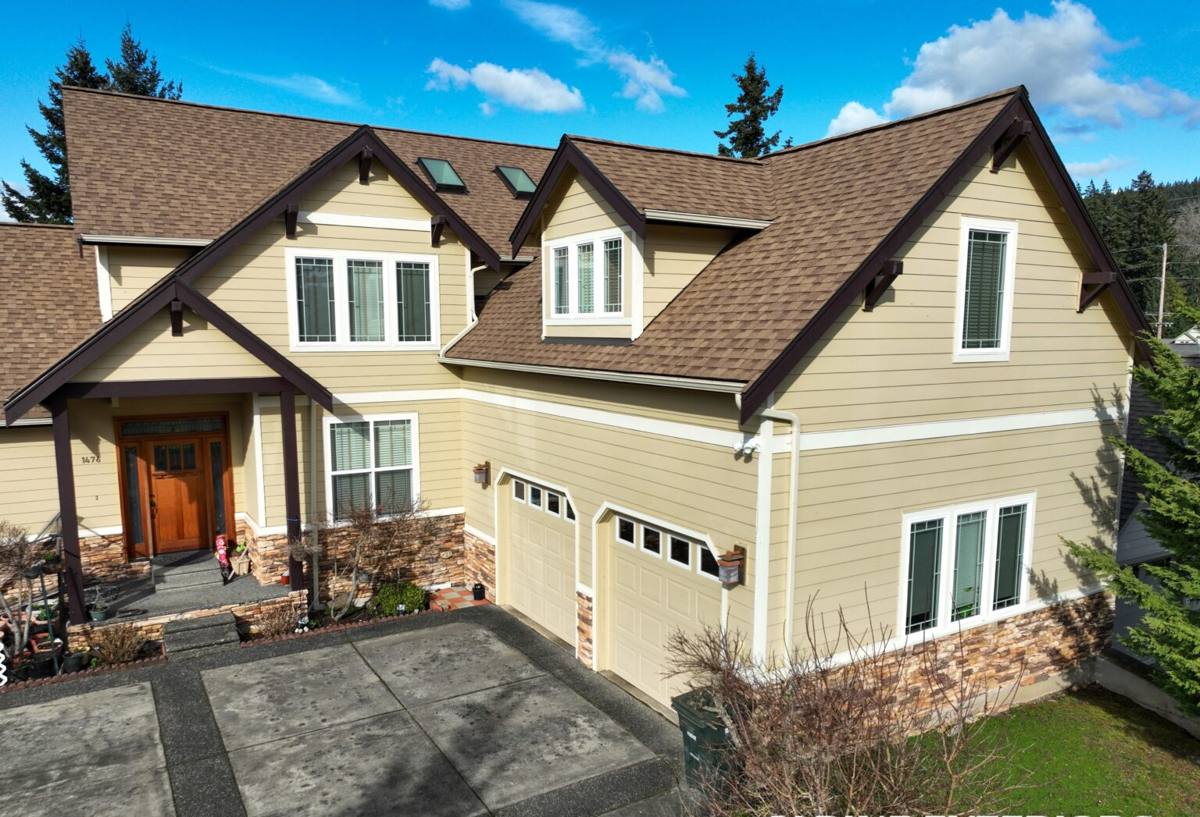
What Salt Air and Driving Rain Do to a Deck
Hardware and Fasteners
Standard hot-dip galvanized fasteners hold up fine in most of the country. Close to the water, they corrode faster than people expect — screw heads streak, joist hangers weaken at the bend points, and bolts seize or rust through years ahead of schedule. Once a fastener starts corroding, it doesn't just look bad; it loses holding strength, and that's a structural issue, not a cosmetic one.
Wood Movement and Rot
Driving rain gets pushed into places a gentle rain never reaches — up under railings, behind ledger boards, into end grain that's supposed to stay covered. Wood that's constantly wetted and never fully dries between storms is the wood that rots first, especially at joints, fastener penetrations, and anywhere two pieces of lumber sit face to face without an air gap.
Moss and Surface Buildup
Whatcom County's moss season is long, and a deck surface that stays shaded, damp, and poorly ventilated will grow moss whether it's wood or composite. Beyond looking neglected, moss holds moisture against the board surface and turns a deck into a slip hazard, particularly on stair treads.
Material Choices That Make Sense in This Climate
There isn't one "correct" decking material for Cherry Point — there's a right choice depending on budget, how much upkeep you want to do, and how the deck sits relative to sun and wind exposure. Here's how the common options actually perform out here, not in a showroom.
| Material | Coastal Performance | Maintenance | Typical Lifespan Here |
|---|---|---|---|
| Pressure-treated fir/hem-fir | Good if sealed regularly; end grain and cuts need extra treatment | Annual cleaning, re-seal every 2-3 years | 15-20 years with upkeep |
| Cedar | Naturally decay-resistant, handles moisture well, needs UV/moisture protection to hold color | Cleaning plus periodic oil or sealant | 20-25 years with upkeep |
| Composite decking | Doesn't rot or splinter; some early-generation boards trapped moisture and grew mold in shaded, damp spots | Periodic washing to keep moss/algae off | 25-30+ years, varies by product |
| PVC decking | Fully moisture-resistant, handles salt air well, doesn't absorb water | Occasional washing | 25-30+ years |
For hardware, we don't use standard galvanized fasteners on decks in this area — stainless steel or heavy marine-grade coated fasteners cost more up front but hold up where standard hardware won't. Same logic applies to joist hangers, post bases, and structural screws.
Framing and Footings for a Coastal Exposure
Ledger Attachment and Flashing
Where a deck ties into the house, proper flashing behind and over the ledger board is what keeps driving rain from running straight into the rim joist and framing. This is one of the most common failure points we find on older decks in this area — a ledger that was fastened but never properly flashed, quietly rotting the framing behind it for years before it shows on the surface.
Footings and Wind Exposure
Open, waterfront-adjacent lots take more wind load than a sheltered inland yard. Footing depth and post spacing need to account for that, along with local frost depth requirements. We size footings to the actual site conditions rather than the minimum that happens to pass inspection.
Ventilation Under the Deck
A deck built low to the ground with poor airflow underneath stays damp longer after every storm, which accelerates rot in the framing even if the visible decking looks fine. Proper joist spacing, gapping, and where possible a drainage system underneath keeps that space from becoming a moisture trap.
Design Details That Matter for This Site
- Board gapping sized to allow water to shed quickly rather than pool
- Stair treads and high-traffic areas planned with moss and slip resistance in mind
- Railing posts through-bolted rather than lag-screwed where structural load requires it
- Orientation and shading considered so at least part of the deck gets sun exposure to help it dry out between rain events
- Under-deck drainage where a covered space below is part of the plan
- Code-compliant railing height and baluster spacing per current Whatcom County building requirements
Common Problems We Find on Existing Cherry Point Decks
When we're called out to repair or replace a deck in this area rather than build new, the issues tend to repeat: corroded fasteners that have lost their grip, ledger boards rotted behind inadequate flashing, moss buildup that's turned the walking surface slick, and railings that have loosened because posts were never properly through-bolted. None of these are unusual defects — they're what happens when a deck built for a different climate gets installed on the coast without adjustments for salt air and driving rain. Catching these early is a repair; ignoring them turns into a full rebuild.
Our Process for a Cherry Point Deck Project
Site Assessment
We look at sun exposure, wind exposure, drainage, soil, and how the deck will tie into the house before recommending materials or a layout. A design that works two miles inland isn't automatically the right call on an open, water-exposed lot.
Permitting
Deck projects in Whatcom County typically require a permit depending on size, height, and attachment to the structure. We handle that process as part of the job so you're not left tracking down requirements yourself.
Construction
Framing first, with proper flashing at the ledger and corrosion-resistant hardware throughout, then decking, then railings — built to code and inspected along the way, not just at the end.
Finish and Handoff
Wood decks get sealed before we consider the job done. We'll also walk you through what maintenance your specific materials need going forward, since that upkeep schedule is different for cedar than it is for composite or PVC.
Keeping a Coastal Deck in Good Shape
A well-built deck in this climate still needs some seasonal attention. This is the general rhythm we recommend to Cherry Point homeowners regardless of who built the deck:
- Sweep off debris and check for moss buildup at the start of each fall and spring
- Clean moss and algae off boards and stair treads before they become a slip hazard
- Inspect visible fasteners and railing connections annually for corrosion or looseness
- Re-seal wood decking every 2-3 years, sooner if the surface is losing water repellency
- Check the ledger flashing area and under-deck framing every couple of years for early signs of moisture damage
- Keep gutters and downspouts near the deck clear so runoff isn't dumping directly onto or under it
Why Local Experience on Cherry Point Decks Matters
Building a deck that holds up on this stretch of Whatcom County coastline isn't about following a generic decking manual — it's about knowing which details actually matter for salt air, which fastener grade is worth the extra cost, and where driving rain finds its way into a structure that looked fine on paper. A crew that's already worked on homes in and around Cherry Point isn't guessing at any of that. We know the wind and rain exposure out here, we know what Whatcom County permitting requires, and we've seen firsthand what happens when a deck is built without accounting for this specific coastline.
If you're planning a new deck or dealing with an older one that's showing its age, we're happy to take a look and talk through what makes sense for your home. Reach out for a free, no-pressure estimate using the form below.