 Blaine
 Storm Damage Roof Repair Built for Cherry Point's Coastal Weather
Cherry Point sits right up against the Strait of Georgia, and that location comes with a weather pattern most inland Whatcom County neighborhoods don't deal with. Homes and outbuildings out here take the full force of marine wind, salt-laden air, and long stretches of driving rain that inland Blaine properties are partly shielded from. When a windstorm or heavy rain event damages a roof out here, the repair has to account for that exposure, not just patch the visible hole and move on.
We repair storm-damaged roofs for Cherry Point homeowners on a regular basis, and we've learned that a repair done without accounting for the local climate tends to fail again within a season or two. This page walks through what storm damage actually looks like out here, what a correct repair involves, and how our process works from the first phone call to the final inspection.
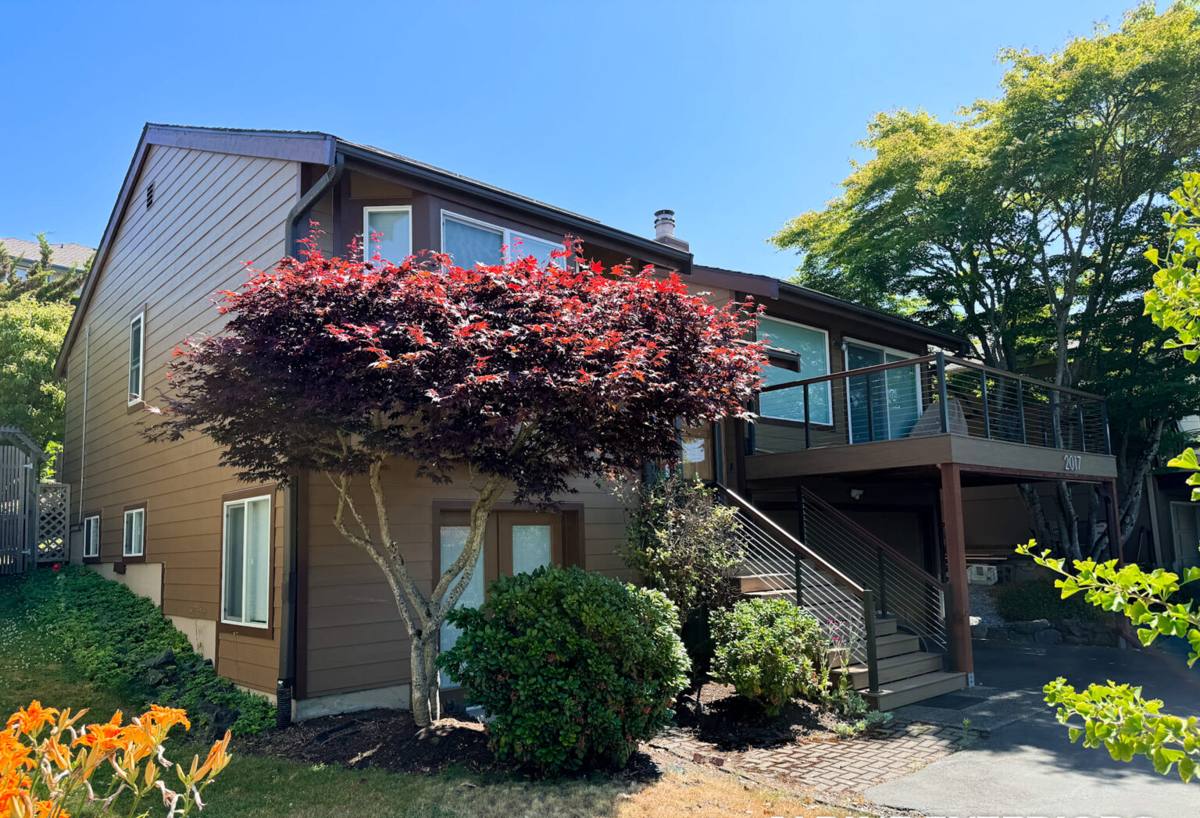
Why Cherry Point Roofs Take a Different Kind of Beating
Three things combine to make roofing on this stretch of coastline harder on materials than most people expect:
Salt Air
Proximity to open water means airborne salt settles on roofing surfaces, gutters, flashing, and fasteners. Over time, salt exposure accelerates corrosion on exposed metal — nails, flashing, vent caps, and any unprotected steel components. A roof that would hold up for decades a few miles inland can show corrosion-related wear years earlier out here if the wrong materials or fasteners were used.
Driving Rain
Storms coming off the Strait don't just drop rain straight down — wind-driven rain gets pushed sideways and upward under shingle edges, around flashing, and into any gap that a calmer rain would never find. This is why storm damage here often shows up as interior leaks even when the roof "looks fine" from the ground. Wind-driven rain finds the weak point, not just the obvious one.
A Long Moss Season
Whatcom County's wet, mild climate keeps moss and moisture active on north-facing and shaded roof slopes for much of the year. Moss holds water against the roofing surface, and after a storm loosens shingles or opens a seam, moss-retained moisture makes the resulting damage worse and slower to dry out. A storm repair that doesn't also address moss growth on the surrounding roof is only solving half the problem.
Signs Your Roof Has Storm Damage
Some storm damage is obvious. A lot of it isn't — especially on a roof that already has moss cover or aging shingles that hide new problems. After any significant wind or rain event, it's worth checking for:
- Shingles that are cracked, curled, creased, or missing entirely
- Granules collecting in gutters or at downspout outlets
- Lifted or bent flashing around chimneys, vents, and roof-to-wall transitions
- New or worsening water stains on interior ceilings or upper walls
- Sagging or soft spots visible from the attic or from ground level
- Debris punctures from fallen branches or wind-blown material
- Gutters pulled loose from fascia boards or full of shingle fragments
- Daylight visible through the roof deck when viewed from inside the attic
If you notice any of these after a storm, it's worth having the roof looked at even if there's no active leak yet — a damaged roof that isn't leaking today often is within a few storms.
What a Correct Storm Damage Repair Actually Involves
A Real Inspection, Not a Guess
A proper repair starts with getting on the roof (weather permitting) or using a close visual and photo-based inspection to see the actual extent of damage — not just the spot the homeowner noticed. Storm damage rarely limits itself to one shingle. Wind that lifted one section usually stressed the fasteners and seals on the surrounding area too, even if it isn't visibly displaced yet.
Matching Materials and Fasteners for the Environment
Given the salt exposure at Cherry Point, we pay attention to fastener and flashing material, not just shingle color match. Using corrosion-resistant fasteners and properly sealed flashing on a coastal repair isn't an upsell — it's the difference between a repair that lasts and one that needs redoing in a few years.
Flashing and Underlayment, Not Just Shingles
A lot of storm leaks trace back to flashing and underlayment failure, not shingle damage alone. Wind-driven rain exploits any gap in the water barrier beneath the visible roofing layer. A repair that replaces damaged shingles but ignores compromised flashing or underlayment underneath will often leak again in the next hard rain, even though it looks fixed from the outside.
Addressing the Cause, Not Just the Symptom
If moss buildup contributed to the damage — by holding moisture against the surface or lifting shingle edges — we address that as part of the repair, not as a separate afterthought. Fixing the hole and leaving the moisture source in place just resets the clock on the same problem.
Our Process, Start to Finish
1. Initial Call and Temporary Protection
If there's active water intrusion, our first priority is stopping further damage — that usually means tarping the affected area until a permanent repair can be scheduled. This matters most right after a storm, when demand for roofing help across Whatcom County spikes and homeowners need something reliable in the meantime.
2. On-Roof Inspection and Documentation
We inspect the full roof, not just the reported problem area, and document what we find with photos. This documentation is useful both for planning the repair and for any insurance claim you may be filing.
3. A Written, Honest Repair Plan
We explain what needs to be repaired, what caused it, and what it will cost — in plain terms, with the reasoning behind each recommendation. If a section of roof is beyond a reasonable repair and heading toward replacement territory, we'll tell you that directly instead of patching around it indefinitely.
4. The Repair
Work is done to match the existing roofing system as closely as possible while using materials and fasteners suited to the coastal exposure at Cherry Point. Flashing, underlayment, and shingle work are addressed together where the damage requires it.
5. Cleanup and Final Check
We clear debris, check gutters and downspouts for granule buildup or blockages caused by the storm, and do a final walk-through so you know exactly what was done.
Repair or Replace? What Actually Drives That Decision
Not every storm-damaged roof needs full replacement, and not every repair is the right long-term call. The table below outlines the main factors that push a decision one way or the other.
| Factor | Favors Repair | Favors Replacement |
|---|---|---|
| Roof age | Under two-thirds of expected lifespan | Near or past expected lifespan |
| Extent of damage | Isolated to one section or slope | Widespread across multiple slopes |
| Underlying deck condition | Solid, no rot or soft spots | Soft decking or signs of prior water damage |
| Material availability | Matching shingles still available | Discontinued or badly weathered mismatch |
| Prior repair history | First or second repair on this roof | Repeated repairs to the same areas |
| Corrosion on flashing/fasteners | Minimal, localized | Widespread salt-related corrosion |
We won't push replacement when a solid repair will genuinely hold up — but we also won't recommend a repair we don't believe will last through another storm season on this coastline.
Storm Damage and Insurance Claims
Many storm damage repairs at Cherry Point are covered in part by homeowners insurance, depending on the policy and the cause of damage. We're not insurance adjusters and won't promise a specific claim outcome, but we can provide clear photo documentation and a written scope of damage that you can submit with a claim. Getting a professional inspection soon after a storm — rather than waiting — generally makes for a cleaner claims process, since damage is easier to attribute to a specific event when it's assessed promptly.
Why Local Experience in Cherry Point Matters
A roofing crew that regularly works the coastal side of Whatcom County knows which fastener types hold up against salt air, which flashing details actually stop wind-driven rain, and which slopes on a given property are most prone to moss retention based on tree cover and orientation. That's knowledge you build by working this specific stretch of coastline repeatedly — not something that transfers cleanly from inland Blaine or Bellingham jobs. When you're comparing repair quotes, it's worth asking directly whether the contractor has worked shoreline properties in this area and what they do differently because of it.
If your Cherry Point home has storm damage — or you just want a roof checked over after a rough weather stretch — we're happy to take a look and give you a straight answer. Use the form below to request a free, no-pressure estimate.