 Blaine
 Building a Deck That Belongs on Semiahmoo
Semiahmoo sits right on the water at the edge of Blaine, in Whatcom County, and that location is exactly why a deck built here needs different thinking than one built ten miles inland. Homes on or near the spit and the surrounding waterfront get more direct exposure to salt-laden air, more wind-driven rain, and a longer stretch of damp, low-sun months than most of the county. A deck that would hold up fine in a sheltered inland yard can start showing corrosion, soft spots, or slick moss growth within a couple of seasons out here if it wasn't built with that exposure in mind.
We don't treat a Semiahmoo deck as a generic build with a nicer view. The material choices, the fastener hardware, the framing details, and even the slope of the decking boards all get adjusted for a marine-influenced site. This page walks through what that actually means, so you know what to look for whether you're planning a new deck, replacing a tired one, or trying to figure out why your current deck is aging faster than it should.
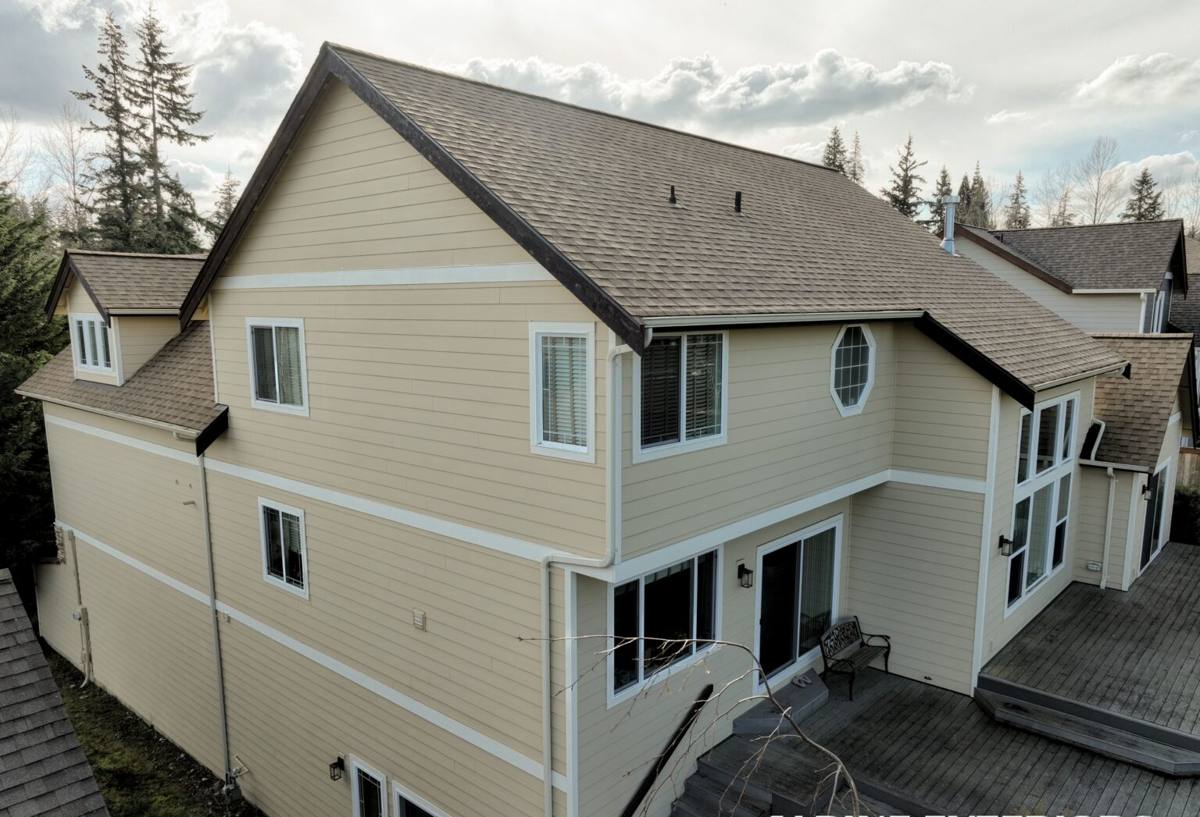
What Salt Air and Driving Rain Actually Do to a Deck
Salt air isn't just a coastal cliché — it's an accelerant for corrosion. Airborne salt settles on any exposed metal and speeds up rust and oxidation, which matters enormously for a structure that's held together by hundreds of fasteners and metal connectors. Standard zinc-coated screws and joist hardware that are perfectly adequate a few miles inland can start streaking and weakening years ahead of schedule near open water.
Driving rain adds a second layer of stress. Wind off the bay pushes water sideways into railings, fascia boards, and ledger connections — areas that a dry-climate deck design might not need to worry about as much. Combined with Whatcom County's long wet season, that means more cumulative moisture exposure per year than most decking products are rated for in their standard installation guidance.
None of this means a deck can't be built to last on Semiahmoo — it means the build has to account for these conditions from the start rather than trying to patch around them later.
Moss, Algae, and a Long Wet Season
Western Washington's extended gray season is well known, but Semiahmoo's mix of shade, moisture, and mild temperatures makes it particularly friendly to moss and algae growth on horizontal surfaces. On a deck, that growth doesn't just look bad — it's a genuine safety issue, since moss and algae film get slick fast, especially on smooth-surfaced boards or painted wood.
Good design fights this before it ever becomes a maintenance chore:
- Proper board spacing and airflow underneath the deck so surfaces can actually dry between rain events
- Slight slope built into the frame so water sheds instead of pooling
- Decking surfaces with real traction texture, not just a smooth painted or stained finish
- Keeping overhanging vegetation trimmed back where the deck meets landscaping, since shaded, damp corners are where moss takes hold first
A deck built without these considerations will still function, but the homeowner ends up doing the work the design should have done — pressure washing, scrubbing, and re-treating far more often than necessary.
Decking Material Options for a Semiahmoo Build
Composite and PVC Decking
For most Semiahmoo homes, we lean toward composite or cellular PVC decking as the default recommendation. These products don't absorb water the way wood does, which matters a lot when a deck is getting more sustained moisture exposure than average. They also resist the surface staining and soft rot that salt-air moisture tends to cause in wood over time. The trade-off is upfront cost — composite and PVC run higher per square foot than standard wood decking — but the maintenance burden drops substantially, which matters if you don't want to be re-sealing or refinishing a deck every year or two out here.
Cedar and Other Natural Wood
Cedar has real appeal — the look, the smell, the price point — and it can absolutely work on Semiahmoo if it's finished and maintained correctly. The honest trade-off is that wood needs more attention in this environment: regular sealing, closer inspection for soft spots near fasteners, and more diligence about moss control since bare or lightly finished wood holds moisture longer than composite. We'll install wood decking for a homeowner who wants that look and is prepared for the upkeep, but we won't oversell it as low-maintenance in a marine climate — it isn't.
Pressure-Treated Wood Framing
Regardless of what decking surface goes on top, the framing underneath should be pressure-treated lumber rated for ground contact, even on an elevated deck. In a salt-air environment, the framing takes as much punishment as the surface, and cutting corners there is where decks fail structurally years before the visible boards look worn out.
Material Comparison at a Glance
| Material | Moisture/Salt Resistance | Maintenance | Typical Lifespan Here |
|---|---|---|---|
| Composite decking | High — doesn't absorb water | Occasional wash, no sealing | 25–30+ years |
| Cellular PVC | Very high — fully synthetic | Lowest of all options | 30+ years |
| Cedar (sealed/maintained) | Moderate — needs upkeep | Annual inspection, periodic sealing | 12–20 years |
| Standard pressure-treated (surface) | Moderate | Regular sealing and moss treatment | 10–15 years |
Framing, Fasteners, and the Hardware You Don't See
A deck's long-term durability is decided mostly by what's hidden: the ledger board connection to the house, the joist hangers, the structural screws, and the flashing that keeps water from working its way behind the siding at the attachment point. In a marine-air environment, we specify stainless steel or heavy-duty coated fasteners and connectors rather than standard zinc hardware, because the corrosion difference over a 10-15 year span is significant. We also pay close attention to ledger flashing — that's the single most common point where a deck causes hidden water damage to a house, and it's especially important where wind-driven rain is a regular occurrence.
Post bases and any hardware in contact with the ground or concrete footings get the same treatment. Corrosion at a post base is a structural issue, not a cosmetic one, so this isn't a place to save money with lower-grade hardware.
Railings and Guard Details
Railings take direct wind and rain exposure, often more than the deck surface itself, especially on an open, water-facing deck. Metal railing components — brackets, baluster connectors, cable rail hardware — should be marine-grade stainless or aluminum rather than standard steel, since these parts are hard to inspect once installed and corrosion there is a safety concern, not just an appearance one. Wood or composite railing caps and posts get the same moisture and moss considerations as the decking surface.
Our Process for a Semiahmoo Deck Build
Site Visit and Design
We start on-site, looking at the home's exposure — how much direct wind and salt air the deck location actually gets, existing drainage patterns, shade and moss history if it's a rebuild, and how the deck ties into the house structurally. This is where we make honest material recommendations based on your specific site, not a one-size-fits-all pitch.
Permitting
Deck construction in Blaine and unincorporated Whatcom County typically requires a building permit, particularly for elevated structures or anything attached to the home. We handle that process as part of the job so you're not left navigating it alone, and so the finished deck meets current code for guardrails, footings, and attachment.
Build and Inspection
Framing and hardware go in first, with attention to the fastener and flashing details covered above, followed by decking, railings, and any stairs. Work is checked against local inspection requirements along the way, not just at the end.
Final Walkthrough
We walk the finished deck with you, cover basic care for whatever material you chose, and make sure you know what to watch for as the seasons change — especially heading into the wetter months when moss and drainage issues show up first.
Maintenance Checklist for Semiahmoo Deck Owners
- Sweep debris and standing leaves off the deck surface regularly, especially in fall
- Rinse or wash the surface periodically to remove salt residue and early moss growth
- Check railing hardware and fasteners once a year for early signs of corrosion or looseness
- Inspect the ledger board area where the deck meets the house for any staining or soft wood
- Trim back overhanging plants that keep sections of the deck shaded and damp
- Re-seal wood decking on the manufacturer's recommended schedule — don't wait until it looks dry and gray
- Clear debris from under the deck so airflow can keep the framing dry
Why Hiring a Crew That Already Works Semiahmoo Matters
A contractor who mostly builds decks in drier, inland conditions can still frame a deck that looks right on day one. The difference shows up three, five, ten years in — whether the hardware is still sound, whether moss has taken over the north-facing corner, whether the ledger connection stayed watertight through years of wind-driven rain. Working regularly in Semiahmoo and the broader Blaine waterfront means we've already seen which fastener grades hold up, which decking surfaces actually resist moss here versus on paper, and where water tends to find its way into a structure in this specific exposure. That's knowledge that doesn't come from a spec sheet — it comes from checking on decks we've built after they've been through a few real Whatcom County winters.
If you're planning a new deck or need an honest look at whether an existing one is holding up the way it should, we're happy to come out, walk the site, and give you a straightforward assessment. Reach out for a free, no-pressure estimate using the form below.