 Blaine
 Roofs Near Dakota Creek Work Harder Than Most
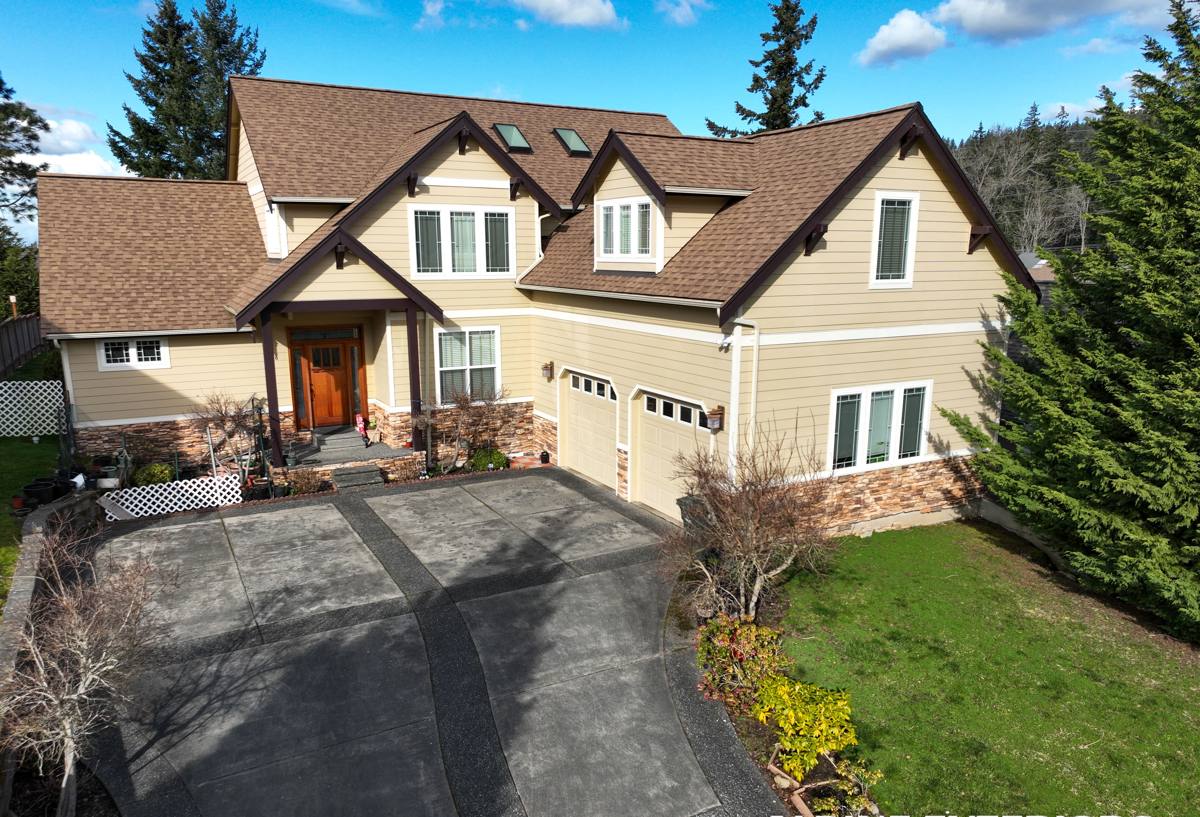
If you own a home near Dakota Creek, on the north edge of Blaine, your roof is dealing with a combination of stresses that most inland Whatcom County homes never see. You're close enough to Semiahmoo Bay and Drayton Harbor that salt-laden air moves through the area regularly, you get the full brunt of driving rain off the Strait of Georgia during fall and winter storms, and the cool, damp, shaded conditions that dominate much of the year give moss and algae a long growing season with almost no break. None of that means your roof is doomed — it means repairs here need to account for things a roofer working in a drier, inland climate might not think twice about.
This page is specifically about roof repair — patching, fixing, and extending the life of an existing roof — not full replacement. Most roofs in this area don't fail all at once. They fail in specific spots: a valley that's been collecting debris, a boot around a vent pipe that's cracked from UV and salt exposure, flashing that's corroded faster than it should have, or shingles on a north-facing slope that stayed wet long enough for moss to get a foothold and start lifting them. Catching and correctly fixing those spots is usually far cheaper than waiting until the damage spreads.
What Salt Air, Rain, and Moss Actually Do to a Roof
Salt Air and Metal Components
Salt in the air accelerates corrosion on anything metal — nail heads, flashing, drip edge, and the fasteners holding shingles and metal panels in place. Standard galvanized fasteners can start showing surface rust years earlier near the water than they would a few miles inland. Once a nail head or flashing seam starts corroding, it stops sealing properly, and that's how water finds its way in.
Driving Rain and Wind-Driven Water
Rain that comes in mostly sideways during a winter storm behaves differently than rain falling straight down. It gets pushed up under shingle edges, into exposed nail heads, and through any gap in flashing around chimneys, skylights, and roof-to-wall transitions. A repair that would hold up fine in calmer weather can fail here if it doesn't account for wind-driven water finding the path of least resistance.
Moss and the Long Growing Season
Western Washington's moss season isn't a two-month event — on shaded, north-facing, or tree-covered roofs near Dakota Creek, moss and algae can be actively growing for most of the year. Moss holds moisture directly against the shingle surface, works its way under shingle edges as it grows, and physically lifts tabs enough for wind and rain to get underneath. Left alone, a patch of moss goes from a cosmetic issue to a leak source in a season or two.
Signs a Repair Is Needed (Not a Full Replacement)
Most homeowners call us because of a visible symptom — a stain on a ceiling, a damp smell in an attic, or shingles that look obviously wrong from the ground. Here's what typically points to a repair job rather than a roof that needs full replacement:
- A leak that's isolated to one area, especially near a valley, chimney, skylight, or vent pipe
- A handful of cracked, curling, or missing shingles rather than widespread wear across the whole roof
- Visible moss or algae buildup concentrated on one slope, particularly a shaded north or east face
- Flashing that's visibly rusted, lifted, or separated at a seam
- Granule loss showing up in gutters, localized to one section rather than the entire roof
- A soft or spongy spot underfoot in one area, which usually means localized decking damage
- The roof is otherwise under 15-20 years old and in generally sound condition
If the damage is spread across the entire roof, the decking has widespread rot, or the roof is well past its expected service life, replacement is usually the more honest recommendation — and we'll tell you that plainly instead of patching something that's going to keep failing.
What a Correct Roof Repair Actually Involves
A roof repair that actually holds up near Dakota Creek isn't just laying a new shingle over the damaged one. It starts with figuring out why that spot failed in the first place — because if the underlying cause isn't addressed, the same spot fails again in a year or two, even with new material on top.
Diagnosis Before Any Work Starts
We trace leaks to their actual source, which is often several feet from where the water shows up inside the house. Water can travel along the underside of decking or down a rafter before it drips somewhere visible. We also check the surrounding area — decking condition, underlayment, flashing, and ventilation — because a leak is frequently a symptom of more than one small problem working together.
Addressing the Cause, Not Just the Symptom
If moss lifted the shingles, we remove the moss properly, treat the area to slow regrowth, and replace any shingles that were damaged in the process — we don't just power-wash it and call it done, since pressure washing can strip granules and shorten shingle life. If corroded flashing let water in, we replace the flashing with a material suited to the exposure, not just seal over the rust. If decking underneath is soft or delaminated, we replace that section before anything goes back on top of it.
Matching Materials and Sealing Properly
We match shingle type, color, and where possible, manufacturer, so a repair doesn't stand out as a visible patch. Fasteners, sealants, and flashing details are chosen for a wet, salt-exposed climate rather than generic materials that happen to be on the truck.
Repair vs. Replacement: How We Help You Decide
| Factor | Leans Toward Repair | Leans Toward Replacement |
|---|---|---|
| Roof age | Under 15-20 years | Near or past expected lifespan |
| Damage extent | Localized to one or two areas | Spread across most of the roof |
| Decking condition | Sound, with maybe one soft spot | Widespread rot or delamination |
| Moss/algae presence | Localized, manageable with treatment | Heavy, long-term buildup across multiple slopes |
| Flashing condition | Isolated corrosion or gaps | Failing at multiple points |
| Cost over time | Lower upfront, may need future repairs | Higher upfront, resets the clock |
We walk every roof and give you a straight answer on which side of that line yours falls on, with the reasoning behind it — not a default push toward the bigger job.
Our Process When We Come Out to Dakota Creek
- Initial inspection: We walk the roof (weather permitting) and check the attic from inside, looking for moisture, staining, and ventilation issues that don't show from the ground.
- Diagnosis and photos: We document what we find and explain what caused it in terms you can actually use, not vague jargon.
- Written estimate: You get a clear scope of work and a price range before anything is touched.
- Repair work: We remove damaged material, fix the underlying cause, and rebuild the affected area with matched, climate-appropriate materials.
- Cleanup and check: We clear debris, check gutters and downspouts near the repair area, and confirm the fix is sound before we leave.
Materials and Fasteners That Hold Up Near Salt Air
Not every material performs the same way a mile from the water versus a mile inland. On repair work near Dakota Creek, we favor corrosion-resistant fasteners and flashing over standard-grade materials, since the cost difference is small compared to redoing the same repair in a few years. We also pay close attention to ventilation during repairs — a roof that traps moisture underneath the decking gives moss and rot more to work with, regardless of how good the shingles on top are. Where a repair touches ridge or soffit vents, we make sure airflow is actually working as intended, not just present.
What to Ask Before Hiring a Roof Repair Crew Here
- Do they inspect the attic from inside, or only look at the roof from the ground or a ladder?
- Will they explain what caused the damage, not just what they're going to replace?
- Are they licensed and insured to work in Washington State?
- Do they give a written estimate before starting work, with the scope spelled out?
- Have they worked on homes in this specific area, dealing with this climate regularly?
- Do they treat the cause of moss growth, or just remove what's visible at the time?
Why Local Experience With This Area Matters
A crew that regularly works around Blaine and Dakota Creek has already seen how salt exposure, wind direction off the water, and the shaded, damp conditions common here play out on real roofs over time. That matters for a repair, because the right fix depends on understanding why a spot failed in the first place — and that's easier to get right when you've diagnosed the same pattern on other roofs nearby. It also means someone familiar with Whatcom County permitting and typical local roofing conditions is doing the work, not a crew guessing based on experience from a different climate.
If you've got a leak, missing shingles, or a patch of moss that's starting to worry you, we're happy to come take a look. The estimate is free, there's no pressure to turn a repair into something bigger than it needs to be, and you'll get a straight answer about what your roof actually needs.