 Blaine
 Why Birch Point's Coastal Exposure Changes the Metal Roofing Equation
Birch Point sits close enough to the water that homes here take a different kind of weathering than roofs just a few miles inland in Blaine or elsewhere in Whatcom County. The combination of salt-laden air, wind-driven rain coming off the Strait, and a long, wet moss season means a roof that would hold up fine in a drier, more sheltered spot can start showing problems years ahead of schedule out here. Metal roofing is one of the best answers to that combination — but only if the system, the fasteners, and the flashing details are chosen and installed with this specific exposure in mind. A generic install, using generic materials, is where most of the early failures we get called out to fix started.
This page is about that one job — metal roofing for Birch Point homes — and what it actually takes to do it right in this particular pocket of the county.
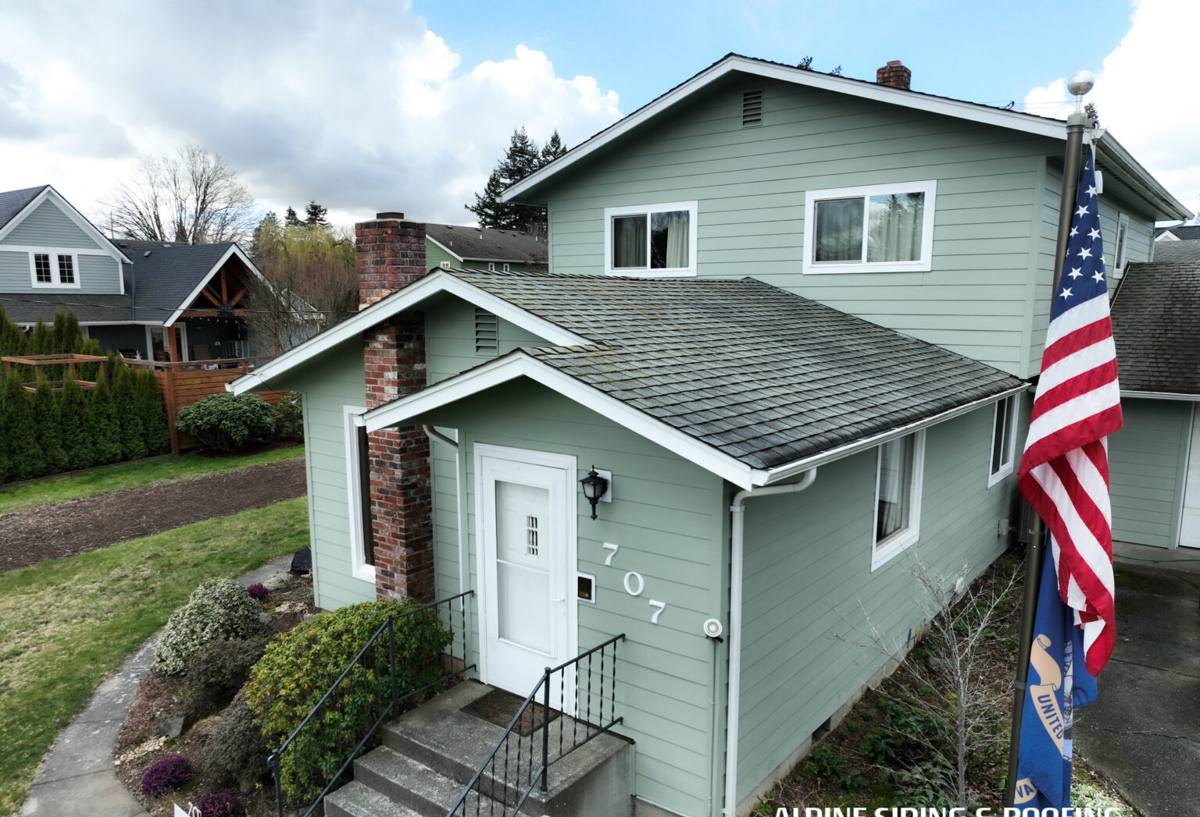
What Salt Air, Driving Rain, and Moss Actually Do to a Roof
Each of these three factors stresses a roof in a different way, and a metal roofing system has to be built to resist all three at once, not just one.
Salt Air
Airborne salt is corrosive to unprotected or poorly coated metal. It settles on panels, fasteners, and exposed cut edges, and over time it accelerates rust and finish breakdown — especially at cut edges, screw heads, and any spot where the protective coating has been scratched or worn through during installation. This is a bigger factor at Birch Point than it is for homes set back from the water, and it's the main reason material choice and coating quality matter more here than in a lot of other parts of the county.
Driving Rain
Rain that comes in sideways off open water doesn't behave like rain falling straight down. It gets pushed up under lap joints, around fasteners, and into any flashing detail that was cut short or caulked instead of properly formed. A metal roof's water-shedding performance depends almost entirely on how the laps, valleys, and penetrations were built — the panel itself is only part of the system.
Moss and Moisture
Whatcom County's wet season is long, and shaded or north-facing roof sections — common on wooded Birch Point lots — stay damp longer than sections that get regular sun and wind exposure. Moss and organic debris hold moisture against the roof surface, and on a metal roof that means trapped moisture at seams and fastener penetrations rather than on the surface itself, which is where problems start if drainage and fastening weren't planned around it.
Panel Systems and Finishes: What Holds Up Here
Not every metal roofing product is a good fit for a marine-exposure lot. The table below is a general comparison of the systems we most often discuss with Birch Point homeowners, based on how each one handles salt exposure, driving rain, and long-term maintenance — not on price alone.
| System | Salt Air Resistance | Driving Rain Performance | Maintenance Burden |
|---|---|---|---|
| Standing seam (concealed fastener) | Strong — no exposed screw heads to corrode | Excellent — raised seams shed wind-driven water well | Low |
| Exposed-fastener metal panel | Moderate — exposed fasteners are the weak point over time | Good, if fasteners and washers are maintained | Moderate — fastener gaskets age and need periodic checks |
| Metal shingle/shake profile | Moderate to strong, depends on coating and clip system | Good with correct lap and underlayment detail | Low to moderate |
For most Birch Point homes we recommend standing seam with a quality factory finish as the default starting point, simply because it removes the biggest long-term weak point — exposed fasteners sitting in salt air for decades. That's a professional judgment based on trade-offs, not a claim that other systems are unfit for coastal use; a well-installed exposed-fastener or metal shingle roof can also perform well here if it's maintained. We'll walk through the honest trade-offs for your specific roof, sun exposure, and budget during the estimate rather than pushing one product by default.
Flashing, Fasteners, and Underlayment — Where Coastal Roofs Actually Fail
The panel is the part homeowners see. The parts that actually determine whether a metal roof lasts in a driving-rain, salt-air environment are the details underneath and around it.
- Fasteners: We use fasteners and washers rated for the coating and metal type being installed, so galvanic reaction between dissimilar metals isn't quietly working against the roof from day one.
- Underlayment: A synthetic or self-adhered underlayment rated for high wind-driven moisture, run correctly at laps and penetrations, is a second line of defense if wind ever pushes water past the panel seams.
- Flashing at valleys, walls, and penetrations: These get custom-formed and properly lapped in the direction water actually flows on your roof, not just caulked and hoped for. Caulk is a backup, never the primary seal.
- Edge and eave details: Drip edges and eave flashing are sized to control where water leaves the roof, which matters more on a lot with driving rain and wind exposure than it does on a sheltered inland roof.
Most of the early leaks we're asked to diagnose on metal roofs near the water trace back to one of these details being shortcut, not to the panel material failing.
Managing Moss and Moisture on Shaded or Low-Slope Sections
A lot of Birch Point properties have mature trees close to the roofline, which means shaded sections that dry slower than the rest of the roof. On a metal roof, moss doesn't attack the panel the way it can degrade shingles, but it does two things worth planning for: it holds standing moisture against seams and fasteners longer than an open, sunlit section would, and it traps debris that can back water up at valleys and gutters. We factor roof orientation, tree cover, and slope into the panel layout and drainage plan on shaded lots, and we'll flag any section of your roof where routine debris clearing is going to matter more than it would on a fully exposed roof.
How We Approach a Birch Point Metal Roofing Project
Assessment
We look at your existing roof structure, deck condition, slope, tree cover, and sun/wind exposure specific to your lot, not a generic checklist. Birch Point lots vary — some sit more open to the water, some are more sheltered by trees — and that difference changes which details we prioritize.
Tear-off and Deck Prep
Old roofing comes off, and the deck gets inspected for any rot or soft spots before anything new goes down. Installing a durable metal roof over a compromised deck defeats the purpose of the upgrade, so this step doesn't get skipped to save time.
Underlayment and Flashing
This is where the driving-rain resistance actually gets built in — underlayment run correctly, flashing formed and lapped to match how water moves on your specific roof, not a one-size-fits-all approach.
Panel Installation
Panels go on with fasteners matched to the metal and coating, spaced and torqued to spec, with clean, straight lines and properly sealed cut edges — cut edges are one of the first places salt air finds a weakness if they're left raw.
Final Walkthrough
We walk the finished roof with you, cover what routine maintenance it needs given your specific exposure, and answer questions before we consider the job done.
Keeping Your Metal Roof Sound Year After Year
A correctly installed metal roof in a coastal-exposure spot like Birch Point is a low-maintenance investment, not a no-maintenance one. A short annual routine goes a long way:
- Clear leaves, needles, and moss buildup from valleys and low-slope sections, especially under tree cover
- Check that gutters and downspouts are running clear, particularly after fall storms
- Look for any scratched or exposed metal at panel edges or fasteners and have it addressed before rust can start
- After any major windstorm, do a visual check for lifted flashing or debris impact
- Have a professional inspection every few years, sooner if you notice any staining, granule-like debris, or soft spots on the deck below
Why Local Experience in Birch Point Matters
A roofing crew that already works this specific stretch of Whatcom County knows which lots face open water and take the worst of the wind-driven rain, which ones sit low and hold moss longer, and which flashing details tend to get tested hardest by the local weather pattern. That's not something you get from a general contractor working from a standard spec sheet. It shows up in smaller decisions — how a valley gets formed, which fastener spacing gets used, where extra underlayment coverage is worth the material cost — that don't show up on a quote but do show up in how the roof performs ten and twenty years out.
If you're weighing a metal roof for a Birch Point property, we're happy to take a look and give you a straightforward assessment of what your specific roof needs — no pressure, no inflated urgency, just an honest read on the work. Reach out for a free estimate using the form below.