 Blaine
 Window Installation Built for Point Roberts' Marine Climate
Point Roberts sits on its own peninsula, surrounded by water on three sides and cut off from the rest of Washington by land — the only way in or out by road runs through Canada. That geography isn't just a curiosity; it shapes what happens to a window over the years it sits in a wall out here. Homes in Point Roberts take on more salt-laden air, more wind-driven rain, and more sustained dampness than a lot of inland Whatcom County properties. Windows that would hold up fine twenty miles east start showing corrosion, seal failure, and rot years ahead of schedule when they're installed without that exposure in mind.
We install and replace windows throughout Blaine and Point Roberts, and we treat this community as its own case, not a smaller version of a mainland job. The right glass, frame material, flashing detail, and sealant matter more here than almost anywhere else we work.
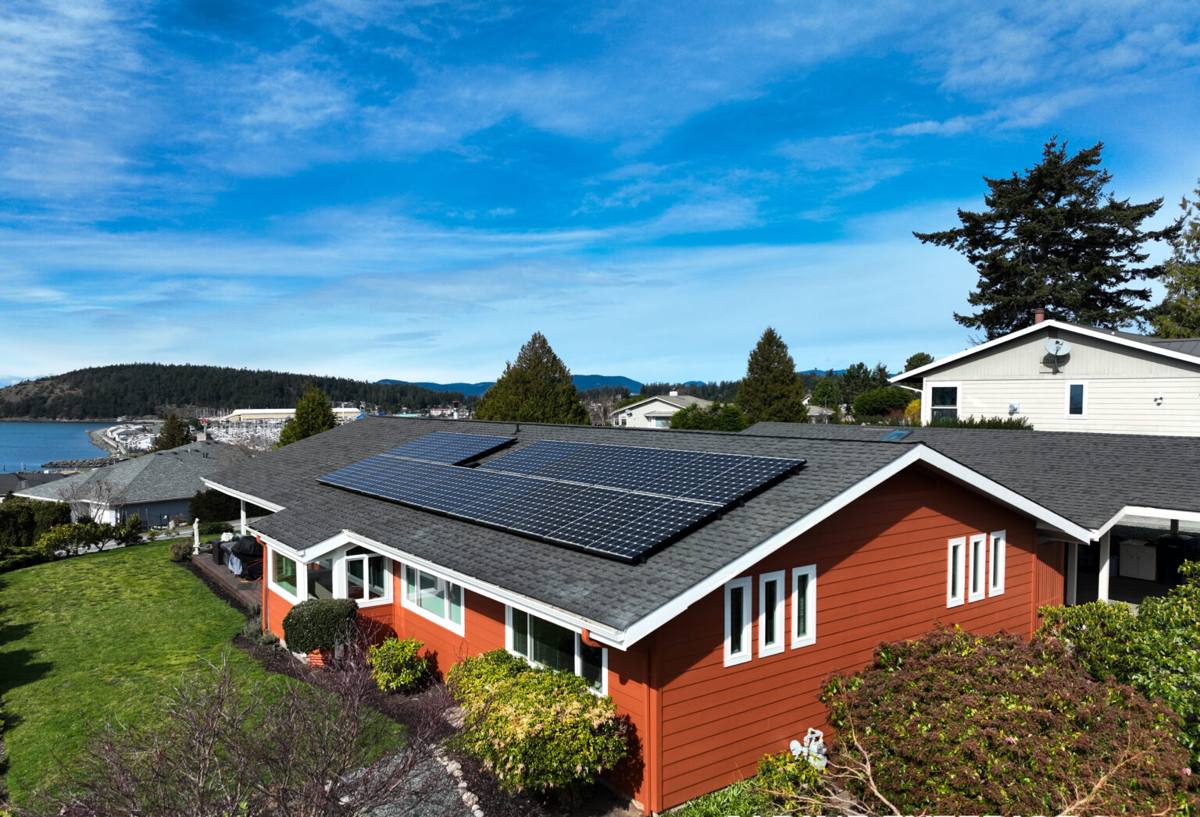
What the Local Climate Actually Does to a Window
Salt Air and Corrosion
Airborne salt off the Strait of Georgia and Boundary Bay settles on exterior surfaces year-round. On windows, that means accelerated corrosion of exposed metal — hardware, hinges, aluminum cladding, and especially lower-quality fasteners. Salt exposure also degrades certain sealants and finishes faster than manufacturers' standard warranty testing assumes, because most of that testing isn't done in a coastal exclave environment.
Driving Rain and Wind Load
Point Roberts catches weather off open water with little to break the wind. Rain here often doesn't fall straight down — it's pushed sideways into wall assemblies with real force. A window that's watertight in a calm rain but not detailed for wind-driven rain will eventually leak at the sill or the jambs, and that leak usually shows up inside the wall long before it shows up as a visible stain.
Moss Season and Sustained Moisture
The long wet season here keeps exterior surfaces damp for extended stretches, especially on shaded north- and west-facing walls. That's ideal moss and algae growth conditions, and it also means window sills, trim, and the caulking around a window stay wet longer between dry spells. Wood trim and lower-grade composite sills take the brunt of it if they aren't properly primed, sealed, and flashed.
Signs Your Current Windows Are Losing That Fight
Most window failure in this climate is gradual, and homeowners often don't notice until there's a real problem. Watch for these:
- Fogging or a permanent haze between panes on double- or triple-glazed units — the seal has failed and the gas fill is gone
- Soft, discolored, or spongy wood trim or sill material around the window frame
- Visible corrosion, pitting, or a chalky white residue on aluminum hardware or cladding
- Drafts you can feel with a hand near the frame on a windy day, even with the window latched
- Green or black growth building up in the corners of the sill or on exterior trim faster than the rest of the house
- Difficulty opening, closing, or latching the window — swelling or warping in the frame
- Peeling paint or bubbling finish concentrated around the window opening rather than the whole wall
Any one of these on its own might just need repair. Several together, especially on the weather-facing side of the house, usually means the installation or the window itself has reached the end of its useful life.
What a Correct Installation Actually Involves
Window installation quality is determined far more by what happens around the window than by the window itself. A premium window installed with poor flashing will leak. A mid-grade window installed correctly, with proper attention to the details below, will outperform it.
- Full removal and inspection of the old unit and the surrounding framing, checking for rot or moisture damage before anything new goes in
- Proper flashing sequence — sill pan flashing first, then side flashing lapped over it, then head flashing lapped over the sides, so water is always directed outward and down, never trapped behind the window
- Correct sealant selection for coastal, salt-exposed conditions, not a generic caulk that breaks down under UV and salt within a couple of seasons
- Proper shimming and fastening so the frame isn't racked or under stress, which is what causes premature seal failure and operational problems
- Insulation of the gap between the window frame and rough opening without over-packing, which can bow the frame
- Weather-resistant barrier integration, tying the window's flashing into the house wrap or building paper correctly instead of just caulking over the seam
Choosing Window Materials for a Salt-Air, High-Rain Climate
There's no single "best" window material for every home — it depends on exposure, budget, and how much upkeep you want to take on. Here's how the common options actually perform out here:
| Material | Salt/Moisture Resistance | Maintenance | Trade-Offs in This Climate |
|---|---|---|---|
| Vinyl | Good — won't corrode or rot | Low — occasional cleaning | Reliable and cost-effective; quality varies a lot by manufacturer and installation care |
| Fiberglass | Very good — dimensionally stable, resists warping | Low | Higher upfront cost; holds up well to temperature swings and moisture over the long term |
| Aluminum | Fair — prone to corrosion and pitting near salt air unless marine-grade and well-finished | Moderate | We're selective about where we recommend it here specifically because of the salt exposure |
| Wood / wood-clad | Poor to fair without diligent upkeep | High — needs regular refinishing | Attractive but demands consistent maintenance to avoid rot in this rainfall pattern |
For most Point Roberts homes we're pointing people toward vinyl or fiberglass for the primary living spaces, and reserving wood or wood-clad for interiors or covered, protected elevations where the maintenance burden is manageable.
How We Handle a Point Roberts Project
Because Point Roberts is only reachable by crossing the border, we plan projects here differently than a job a few miles inland. Materials, crew, and equipment all have to make that crossing, so we batch trips, confirm measurements and order details up front, and build a realistic schedule instead of promising a same-week turnaround we can't reliably hit. Homeowners who've dealt with contractors that don't regularly work Point Roberts often run into delays or no-shows tied to exactly this logistics gap — it's one of the most common frustrations we hear about.
Our process on a typical replacement:
- On-site assessment of existing windows, framing condition, and exposure on each elevation of the house
- Straightforward walkthrough of material and glazing options with honest pros, cons, and pricing ranges — no upsell pressure
- Accurate measurement and ordering, confirmed before materials cross the border
- Installation with full flashing and sealing detail appropriate to a coastal, high-wind property
- Final walkthrough and operation check on every window before we consider the job done
Permitting and Whatcom County Requirements
Window replacement in Whatcom County, including Point Roberts, may require a permit depending on whether the work involves structural changes, egress modifications, or falls under a straight like-for-like replacement. We handle that determination and any required paperwork as part of the job so homeowners aren't left guessing whether their project needs sign-off.
Why Local Experience in Point Roberts Specifically Matters
A window installer who mostly works drier, more sheltered parts of Whatcom County can still do competent general carpentry — but sizing sealant, flashing details, and material choice for this specific level of salt exposure and driving rain is a different calibration. We've done enough work along this stretch of coastline to know which details are worth the extra time and which corners genuinely can't be cut without the window failing early. That's the difference between a window that needs attention again in five years and one that's still tight in twenty.
It also means fewer surprises around scheduling and border logistics, and a crew that isn't learning Point Roberts' quirks on your project.
Keeping New Windows Performing Long-Term
Even a correctly installed window benefits from basic upkeep in this climate. Rinse accumulated salt residue off frames and glass periodically, especially after storms. Keep weep holes and drainage channels clear of moss, debris, and dirt so water can exit as designed. Check exterior caulking annually for cracking or separation, since sealant is the first line of defense and the first thing to wear in salt air. Trim back vegetation that keeps a wall shaded and damp longer than it needs to be.
If you're dealing with drafty, foggy, or failing windows in Point Roberts, or planning ahead for a home that can actually handle this coastline, we're glad to take a look and give you a straight assessment. Use the form below to request a free, no-pressure estimate.