 Blaine
 Why Sandy Point Roofs Take a Different Kind of Beating
Sandy Point sits right up against the water, and that exposure changes how a roof ages compared to a house a few miles inland in Blaine. Wind off the Strait doesn't just blow harder out here — it carries salt, and salt-laden air accelerates corrosion on fasteners, flashing, and any exposed metal on a roof system. Add in Whatcom County's long, wet fall-through-spring stretch and you get a second problem: moss and organic growth that hold moisture against roofing materials for months at a time. Individually, wind and moisture are normal Pacific Northwest wear. Together, on a waterfront lot, they shorten a roof's working life if nobody's watching for the early signs.
We're not describing a disaster scenario — most Sandy Point roofs do fine for years. But when a storm does cause damage, it tends to show up at the same handful of weak points every time, and knowing those points ahead of time is what separates a repair that actually holds from one that fails again next winter.
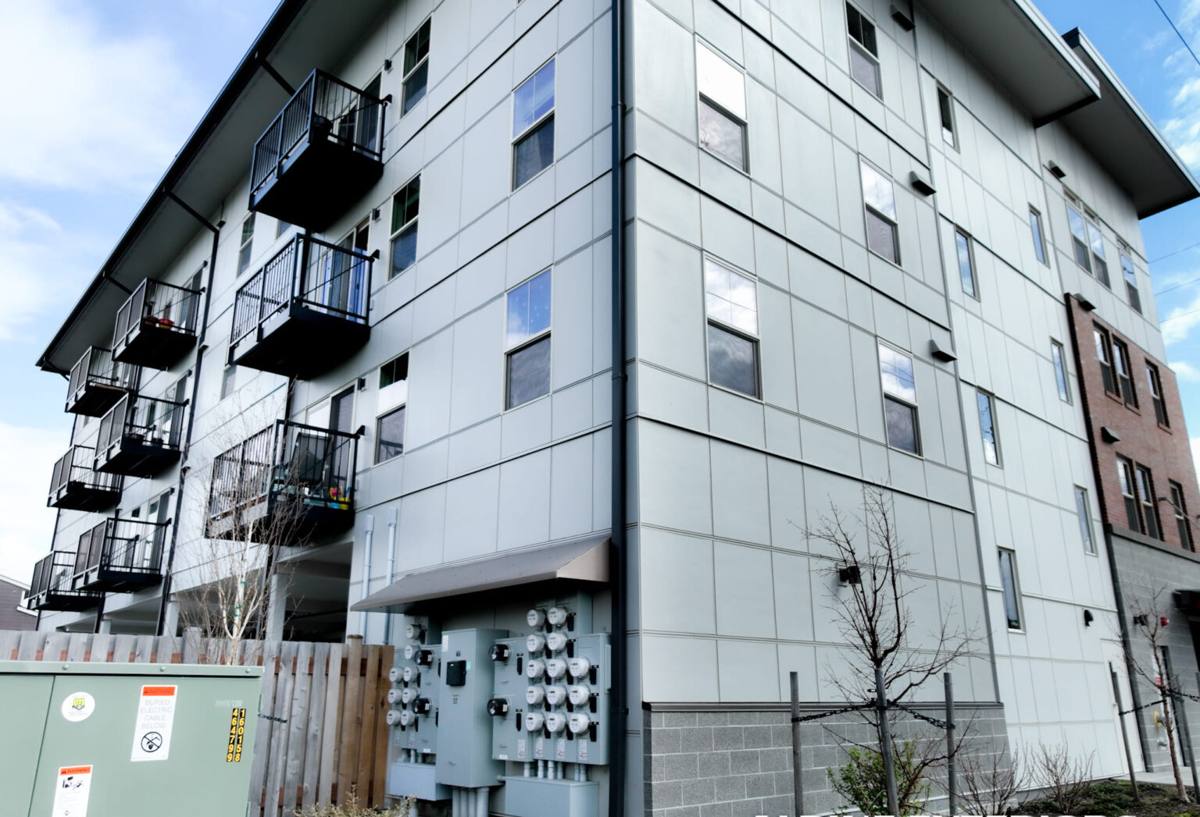
What Storm Damage Actually Looks Like on the Ground Here
Wind-Related Damage
Driving rain in a windstorm doesn't fall straight down — it gets pushed sideways under shingle edges, ridge caps, and any lifted or loosened section. On an exposed waterfront roof, that means wind damage often isn't a dramatic missing shingle you can spot from the driveway. It's a lifted tab, a cracked seal, or a ridge cap that's worked loose just enough to let water in during the next storm, weeks after the wind event that actually caused it.
Moss and Moisture Damage
Moss doesn't cause damage overnight, but it's patient. Once it establishes on a north-facing slope or a shaded section of roof, it holds moisture against the shingle surface, works into the granule layer, and can lift edges enough for wind-driven rain to get underneath. By the time moss is visible from the ground, it's often been doing quiet damage for a season or two already.
Flashing and Penetration Failures
Chimneys, vents, skylights, and the line where a roof meets a wall or dormer are the most common places we find active leaks after a storm. Flashing is thin metal doing a hard job, and in a salt-air environment it corrodes faster than people expect. A flashing failure rarely announces itself with an obvious hole — it shows up as a stain on an interior ceiling weeks later.
The Roof-Siding Connection: Where Damage Spreads
As a crew that works on both siding and roofing, we pay close attention to the places where those two systems meet — because that's exactly where storm damage tends to travel if it isn't caught early. A compromised roof edge, a failed piece of step flashing, or a clogged gutter can send water down behind siding, into fascia boards, and eventually into soffits and trim. We've seen roof issues get mistaken for siding problems and vice versa, simply because water doesn't respect the line between one trade and the next. Inspecting the whole exterior envelope together, rather than just the shingles, is how you catch that before it turns into a bigger repair.
What a Correct Storm Repair Actually Involves
A repair that's done right isn't just "replace what's visibly broken." It follows a sequence:
- Full inspection, not a spot check. We look at the whole roof plane, not just the area a homeowner points to, since storm damage often has more than one weak point.
- Deck condition check. If water has been getting under shingles for any length of time, the plywood or OSB decking underneath needs to be checked for soft spots or rot before anything new goes on top of it.
- Underlayment integrity. The underlayment is the actual water barrier — shingles are the first line of defense, but underlayment is what keeps a small failure from becoming an interior leak.
- Matching materials correctly. Shingle color and profile drift over time with sun exposure, so a patch repair on an older roof sometimes needs a slightly larger section replaced to blend properly, not just the damaged shingles themselves.
- Flashing renewed, not reused. If flashing has been exposed to salt air for years, we replace it rather than bend the old piece back into place — reused flashing in a corrosive environment is a callback waiting to happen.
- Moss and debris cleared properly. Removing moss without damaging the shingle surface underneath takes a specific approach — aggressive scraping does more harm than the moss itself.
Our Process for a Sandy Point Storm Call
When we get a call about storm damage in Sandy Point, the process is straightforward:
- Inspection first, no pressure. We look at the roof and the surrounding siding, trim, and gutters, and tell you honestly what we find — including if it's minor enough that it doesn't need immediate work.
- Written scope before any work starts. You'll know what's being repaired, why, and roughly what it involves before we touch anything.
- Photo documentation. Useful both for your own records and if you're filing an insurance claim.
- Repair scheduled around weather windows. Roof work needs a dry stretch to be done correctly — we don't rush a repair into marginal weather just to close out a job faster.
- Follow-up check. After a repair, especially one following a significant storm, we want to know it held through the next weather event, not just that it looked fine the day we left.
Repair vs. Replace: How We Help You Decide
Not every storm-damaged roof needs full replacement, and not every "small leak" is actually a small problem. The honest answer depends on the roof's age, how widespread the damage is, and what we find once we're actually up there.
| Factor | Leans Toward Repair | Leans Toward Replacement |
|---|---|---|
| Roof age | Under 10-12 years, otherwise sound | Nearing or past expected service life |
| Extent of damage | Isolated to one section or penetration | Multiple areas or widespread moss/wear |
| Decking condition | Solid, no rot found | Soft spots or rot in multiple areas |
| Shingle match availability | Close match still available | Discontinued or badly weathered mismatch |
| History of prior repairs | First or second repair on this roof | Repeated patch jobs in the same areas |
Costs for a targeted storm repair are usually a fraction of full replacement, but the right call always comes down to what's actually happening on your specific roof — which is why we inspect before we quote either direction.
Insurance Claims and Storm Documentation
If a storm event caused the damage, your homeowner's insurance may cover part or all of the repair, depending on your policy and the cause of loss. We're not an insurance company and won't promise a specific coverage outcome, but we can provide the photo documentation, written scope of damage, and repair estimate that most adjusters ask for. It's worth having a contractor's assessment in hand before or during the claims conversation, so the scope of work is based on what's actually damaged rather than guesswork.
Why a Crew That Already Works Sandy Point Matters
Sandy Point's roads, lot access, and exposure to wind off the water are things a crew learns from repeat visits, not from a single job. Knowing which weather windows actually hold long enough to do roof work safely on an exposed waterfront lot, and knowing what wind-driven storm damage typically looks like in this specific pocket of Whatcom County, means less time spent diagnosing and more time spent fixing the actual problem. A crew unfamiliar with the area is starting from zero on all of that every time.
Preventing Repeat Storm Damage: A Homeowner's Checklist
Between storms, a few habits go a long way toward catching problems before they become emergency repairs:
- Have gutters cleared at least twice a year — clogged gutters back water up under roof edges
- Watch for moss buildup on shaded or north-facing roof slopes and address it before it spreads
- After any significant windstorm, do a visual check from the ground for lifted or missing shingles
- Check ceilings and attic spaces for water stains after heavy rain, especially near chimneys and vents
- Keep tree branches trimmed back from the roofline to reduce impact and debris risk
- Don't ignore small interior stains — they're almost always a sign of an exterior problem already underway
If a recent storm has you wondering whether your Sandy Point roof took damage, we're glad to come take an honest look. The estimate is free, there's no pressure to move forward, and you'll get a straight answer about what's actually going on — just fill out the form below to get started.