 Blaine
 Windows Built for Semiahmoo's Waterfront Exposure
Semiahmoo sits about as close to the water as a Whatcom County home can get, and that location cuts both ways. The views are the reason people live out there, but the same open exposure to Semiahmoo Bay and the Strait means homes take a steady diet of salt-laden air, wind-driven rain, and long stretches of damp, low-light weather. Windows on this peninsula work harder than windows almost anywhere else in our service area, and it shows up first at the seams — failed seals, corroded hardware, soft trim, and frames that never quite dry out between storms.
Custom windows done right in Semiahmoo aren't just about picking a style you like. It's about matching the frame material, glass package, and flashing detail to a marine environment, then installing it so water has nowhere to go but back outside. We've done that work up and down this stretch of Blaine, and this page covers what actually matters for a window job out here — not a generic rundown of window types.
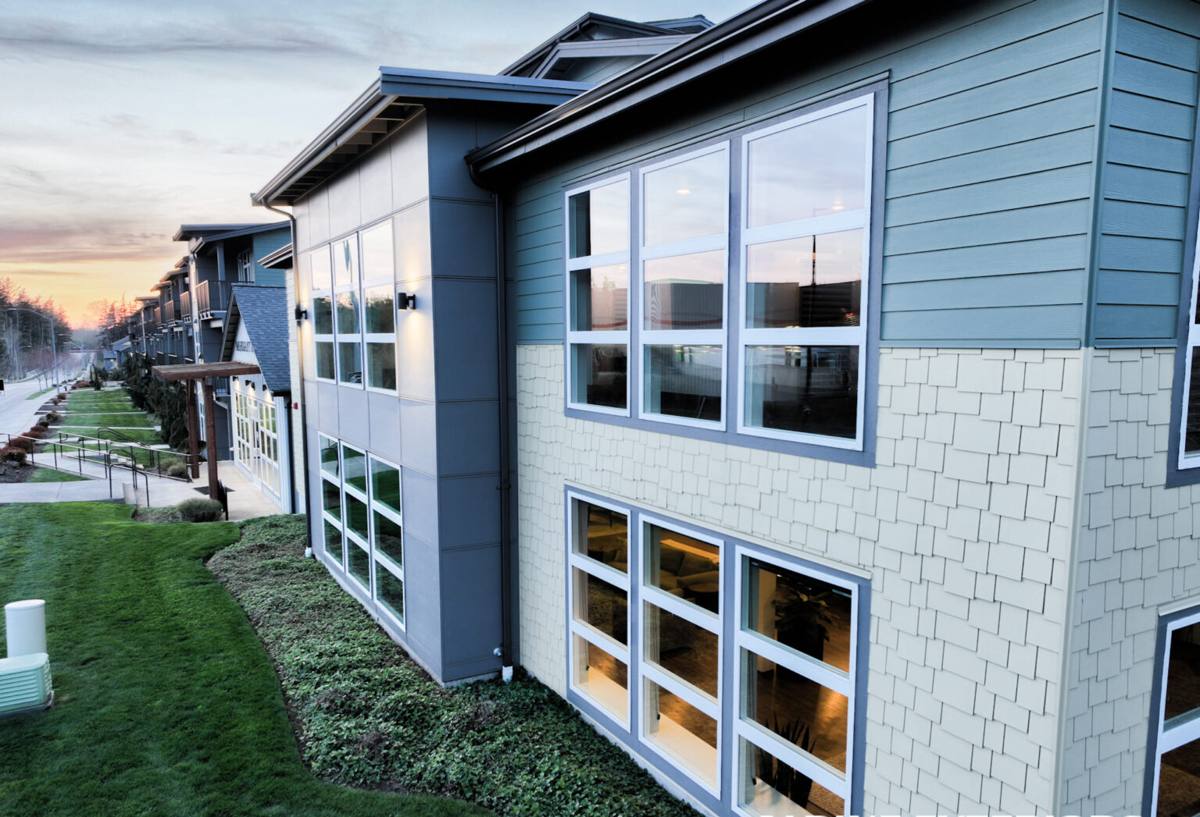
What Salt Air and Wind-Driven Rain Do to Windows Over Time
Coastal exposure doesn't announce itself with one dramatic failure — it's cumulative. Understanding the pattern helps explain why some window choices hold up in Semiahmoo and others quietly fail years before they should.
Salt Air and Metal Components
Salt in the air accelerates corrosion on anything metal — hinges, cranks, balance systems, screws, and low-grade aluminum cladding. Hardware that would last decades a few miles inland can start sticking, pitting, or seizing up within a handful of years right on the water. This is one reason hardware quality and finish matter as much as the glass itself out here.
Wind-Driven Rain and Water Intrusion
Rain that comes in sideways off the bay doesn't behave like rain falling straight down. It gets pushed up under sills, around trim, and into any gap in the flashing that a calmer climate would never expose. A window that's watertight in a light rain can still leak in a Semiahmoo southwesterly if the flashing and sealant details weren't built for wind-loaded water.
Moss, Moisture, and Wood Decay
Whatcom County's long moss season means extended periods where trim, sills, and siding around windows stay damp instead of drying out between rain events. Untreated or poorly sealed wood components start to soften and rot from the outside in, often behind trim where you can't see it until the damage has spread.
Signs a Semiahmoo Home Needs Window Attention
- Wood trim or sills that feel soft, spongy, or show dark staining
- Cranks, locks, or hinges that stick, grind, or have visible corrosion
- Condensation building up between panes — a sign the seal has failed
- Drafts or a cold feeling near the window even when it's fully closed
- Peeling paint or bubbling finish on the interior or exterior frame
- Visible daylight or gaps where the frame meets the siding or trim
- Musty smell or discoloration on drywall near a window after storms
Any one of these on its own might just mean a tune-up. Several together, especially on a window facing the water or prevailing wind, usually means the unit has been letting moisture in for a while.
Choosing the Right Window Material for a Marine Environment
There's no single "best" window material for every home — the right choice depends on exposure, budget, and how much upkeep you're willing to do. Here's how the common options actually perform in a salt-air, high-rain setting like Semiahmoo.
| Material | Salt Air / Corrosion Resistance | Moisture Behavior | Maintenance |
|---|---|---|---|
| Vinyl | Very good — won't corrode | Doesn't absorb water; seams and glazing are the weak point | Low |
| Fiberglass | Excellent — dimensionally stable, resists pitting | Very stable in wet/dry cycling, minimal expansion | Low to moderate |
| Wood (clad exterior) | Good if cladding is intact; wood core is the risk | Vulnerable if the exterior seal ever fails | Higher — needs monitoring |
| Aluminum (uncoated/low-grade) | Poor near saltwater without marine-grade coatings | Conducts cold, can pit and corrode | Moderate to high |
For most Semiahmoo homes on or near the water, we steer people toward vinyl or fiberglass with marine-rated or heavily corrosion-resistant hardware. Wood-clad windows can absolutely work here too, but they need honest maintenance discipline — regular inspection of the cladding and caulk lines — because once water gets behind the cladding into the wood core, the repair is a lot bigger than a window job.
What a Correct Custom Window Installation Involves
The window unit itself is maybe half the job. The other half — the part that determines whether it leaks in year three — is the installation detail, especially flashing.
Removal and Opening Inspection
When we pull an old window, we check the rough opening before anything new goes in. In a wind-driven-rain environment, this is often where we find the real story: soft sheathing, missing or degraded house wrap, or flashing that was never installed correctly the first time. Fixing what's found here matters more than the window brand.
Flashing and Water Management
Proper flashing creates a layered path that sheds water down and out, never inward — sill pan flashing, side flashing that laps over the sill pan, and head flashing that laps over the side flashing and ties into the house wrap above. On a home taking direct wind off the bay, skipping or shortcutting any layer of this sequence is exactly how water finds its way into the wall.
Sealant and Backer Rod
Exterior sealant needs the right backer rod behind it and a bead sized and tooled to actually perform — not just cosmetic caulking. In a marine climate, sealant also takes more UV and salt exposure than inland installations, so joint design matters as much as the product used.
Interior Air Sealing
A window that's sealed well outside but not sealed on the interior can still let warm, moist indoor air migrate into the wall cavity, where it condenses against a cold frame. Proper interior air sealing prevents this and keeps the whole assembly performing as designed.
Glass and Energy Performance for a Marine Climate
Semiahmoo doesn't see extreme heat, so the priority for glass selection here is usually managing heat loss, condensation resistance, and comfort near large window walls that face the water — not cooling load. Low-E coatings help control heat transfer year-round, and a good low-E package also cuts down on condensation forming on the interior glass surface during cold, damp stretches, which is common on water-facing windows in this area. Double-pane with argon fill is the standard baseline; triple-pane is worth discussing for rooms with large expanses of glass directly exposed to the wind and cold off the bay, where comfort near the glass — not just the energy bill — is the concern.
Our Process for Semiahmoo Window Projects
- On-site assessment — we look at exposure direction, existing window condition, and any signs of past water intrusion around each opening
- Material and glass recommendation — matched to that specific home's exposure, not a one-size answer
- Written estimate — clear scope, materials, and timeline before any work starts
- Opening inspection at removal — we don't install over a compromised rough opening; if we find rot or failed flashing, we tell you before covering it back up
- Correct flashing and sealing sequence — done in the order that actually sheds water, every time
- Final check and walkthrough — operation, seals, and trim reviewed with you before we call it done
Why a Crew That Already Works Semiahmoo Matters
Window installation quality is hard to judge from the outside — a poorly flashed window and a well-flashed one can look identical until the first real storm finds the gap. A crew that regularly works this specific stretch of Blaine has already seen how salt air and wind-driven rain expose bad installation shortcuts, and builds every detail around avoiding them rather than following a generic checklist written for a drier climate. That local pattern recognition — knowing which corner of a Semiahmoo home usually takes the worst weather, which hardware finishes actually hold up, which flashing details get skipped by crews unfamiliar with marine exposure — is the difference between a window that performs for decades and one that needs attention again in five years.
What This Typically Costs
Custom window pricing depends on size, material, glass package, and how much flashing or trim repair the opening needs once we're into it. A single vinyl replacement window in a straightforward opening sits at the lower end of the range; larger fiberglass or wood-clad units, specialty shapes, or openings needing sheathing repair push toward the higher end. Because every home's exposure and existing condition is different, especially on the water in Semiahmoo, we don't quote firm numbers without seeing the openings in person — a phone estimate on window work in this environment isn't a responsible one.
If you're seeing drafts, sticking hardware, soft trim, or just want an honest read on where your windows stand, we're glad to take a look. Request a free, no-pressure estimate using the form below and we'll walk the exterior with you before recommending anything.