 Blaine
 Asphalt Shingle Roofing Built for the Peace Arch Area
Peace Arch sits right up against the water and the Canadian border, which means the homes here take on a specific combination of punishment that roofs a few miles inland don't deal with in the same way. Salt-laden air off the bay, wind-driven rain that hits shingles sideways instead of straight down, and a moss season that can run eight or nine months out of the year all add up. An asphalt shingle roof that would hold up fine in a drier part of Whatcom County can start showing granule loss, curling edges, and moss intrusion years ahead of schedule out here if it wasn't built with this specific exposure in mind.
This page is about one thing: what it actually takes to install and maintain an asphalt shingle roof on a Peace Arch home, done correctly for this climate, not a generic version of the job.
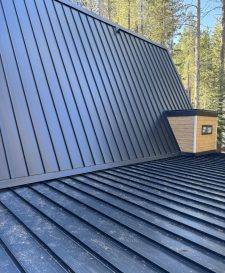
What Salt Air, Driving Rain, and Moss Actually Do to a Shingle Roof
Each of these three factors wears on a roof differently, and understanding the mechanism matters because it changes what "correct installation" means here.
Salt Air
Airborne salt doesn't just sit on the surface — it works into exposed fasteners, flashing seams, and any metal component that isn't properly rated for a marine-influenced environment. Over years, this accelerates corrosion at nail heads, drip edge, and step flashing long before the shingles themselves are due for replacement. A roof that looks fine from the ground can have compromised metal underneath.
Driving Rain
Wind off the water pushes rain sideways and up under shingle tabs and around flashing details that would never see water in a calm, straight-down rain event. This is why underlayment coverage, flashing laps, and sealant placement matter more here than in sheltered inland lots — water is testing every seam from angles a standard installation may not have accounted for.
Moss
Blaine's damp, mild winters and shaded lots (especially where mature trees are close to the roofline) create ideal moss conditions for most of the year. Moss isn't just cosmetic — its root structure lifts shingle edges, holds moisture against the roof deck, and accelerates granule loss. Left unchecked, a moss mat can shorten the effective life of a shingle roof by years.
Choosing the Right Shingle for This Climate
Not every asphalt shingle product performs the same way in a coastal, high-moisture environment. The differences that matter most here are wind rating, algae resistance, and how forgiving the shingle is of the freeze-thaw and wet-dry cycling common in Whatcom County winters.
| Shingle Type | Typical Lifespan Here | Best Fit For |
|---|---|---|
| 3-Tab (economy) | 12-18 years in this climate | Budget-driven projects, secondary structures |
| Architectural / Dimensional | 20-30 years with proper install | Most Peace Arch homes — better wind rating, better water shedding |
| Algae-Resistant (AR) Architectural | 20-30 years, slower to streak or green | Shaded lots, north-facing slopes, moss-prone properties |
| Premium / Designer | 25-30+ years | Homeowners prioritizing appearance and top-tier wind/impact rating |
For most Peace Arch homes, we steer clients toward algae-resistant architectural shingles with a wind rating suited to coastal exposure. The upcharge over standard architectural shingles is modest, and the payoff is fewer moss and algae callbacks over the life of the roof — which matters more here than almost anywhere else in the county.
What a Correct Installation Actually Involves
The shingle brand gets most of the attention, but the components underneath it are what actually determine whether a roof holds up to this climate. A correct installation here means paying deliberate attention to a few details that are easy to shortcut and hard to inspect once the roof is closed up.
Underlayment
Given the amount of wind-driven rain this area sees, we don't treat underlayment as a formality. Ice-and-water shield or a high-quality synthetic underlayment at eaves, valleys, and any low-slope transitions gives the roof a second line of defense if wind pushes water past the shingle surface — which it will, eventually, on a roof this exposed.
Flashing
Step flashing, counter-flashing, and drip edge need to be corrosion-resistant metal, properly lapped, and sealed with materials rated for sustained moisture exposure — not just standard sealant that dries out and cracks within a few seasons. This is the single most common failure point we find on older roofs in this area, and it's almost always invisible from the ground.
Ventilation
Balanced intake and exhaust ventilation keeps moisture from condensing inside the attic space, which matters in a climate this humid. Poor ventilation shortens shingle life from underneath, independent of anything happening on the roof surface — and it's a detail that's easy to get wrong on a re-roof if the original ventilation wasn't sized correctly to begin with.
Fastening
Correct nail placement and count — not staples, not overdriven or underdriven nails — is what keeps shingles in place during the wind events that come through with winter storms off the water. This is a manufacturer warranty requirement, and it's also just good practice for wind resistance in an exposed location like Peace Arch.
Our Process for a Peace Arch Roofing Project
1. On-Site Inspection
We start by walking the roof (not just looking from the ground) to assess deck condition, existing flashing, moss and moisture damage, and ventilation. We also look at tree cover and drainage patterns around the house, since both affect how the new roof will perform long-term.
2. Scope and Material Selection
Based on that inspection, we walk through shingle options, underlayment upgrades, and flashing needs specific to the house — not a one-size-fits-all package. If the deck needs repair, we flag it before work starts, not after tear-off when it's a surprise.
3. Tear-Off and Deck Assessment
Full tear-off lets us inspect the deck directly, replace any soft or water-damaged sheathing, and confirm the underlayment and flashing plan before anything new goes down. This is also when hidden moss or moisture damage from years of buildup typically shows up.
4. Installation
Underlayment, flashing, and shingles go in following manufacturer specifications for the wind and moisture exposure this location sees — not a generic inland install. Every valley, penetration, and edge detail gets the same level of attention as the field of the roof.
5. Cleanup and Walkthrough
We clear the site of debris and nails, then walk the finished roof and the details with the homeowner so there are no surprises about what was done and why.
Keeping a Peace Arch Roof Healthy Between Installations
A well-installed shingle roof still needs some ongoing attention in this climate, especially where moss and organic debris are concerned. Skipping this is one of the most common ways homeowners cut years off a roof that was otherwise installed correctly.
- Clear leaves, needles, and debris from valleys and gutters at least twice a year, more often under mature trees
- Have moss growth removed gently (not pressure-washed, which can strip granules) before it establishes a root mat
- Check attic ventilation isn't blocked by insulation or debris, especially after any attic work
- Watch for granule buildup in gutters, which signals accelerated shingle wear
- Have flashing and sealant points inspected every few years, since these fail well before the shingles do in this climate
- Trim back tree branches that keep sections of the roof shaded and damp longer than the rest
Cost Factors for Asphalt Shingle Roofing in This Area
Every roof is different, but the factors that move the price on a Peace Arch project tend to be the same handful of things:
| Factor | Why It Matters Here |
|---|---|
| Roof size and complexity | More valleys, penetrations, and slope changes mean more flashing detail work |
| Deck condition | Moisture and moss damage found at tear-off can require sheathing replacement |
| Shingle tier | Algae-resistant and premium architectural shingles cost more upfront but reduce moss-related maintenance |
| Underlayment upgrade | Full ice-and-water coverage vs. standard felt affects both material cost and long-term water protection |
| Ventilation corrections | Adding or rebalancing intake/exhaust vents adds labor but protects the investment from the inside out |
| Tree cover and access | Heavily shaded, hard-to-access roofs take longer to tear off, treat, and clean up |
We provide a detailed, itemized estimate after the on-site inspection rather than a phone-quote guess, because the deck condition and flashing needs genuinely aren't knowable until we're up there.
Why Hiring a Crew That Already Works This Area Matters
A roofing crew that mostly works drier, inland parts of Whatcom County can do a technically fine installation and still miss the details that matter specifically here — the flashing corrosion resistance, the underlayment coverage for wind-driven rain, the shingle choice that resists moss and algae in a shaded, humid microclimate. None of that is exotic knowledge, but it only becomes habit when a crew sees it repeatedly on homes in this exact area.
We work on Peace Arch and greater Blaine roofs regularly, which means we're not guessing at what this climate does to a roof over ten or twenty years — we're seeing it firsthand on the homes around it and building accordingly.
Get a Straight Answer on Your Roof
If your shingle roof is showing moss, granule loss, or signs of water intrusion, or you're planning ahead for a replacement, we're happy to take a look and give you an honest assessment — no pressure, no upsell. Fill out the form below for a free estimate on your Peace Arch home.