 Blaine
 Why Birch Point Homes Need a Different Approach to Windows
Birch Point sits close enough to the water that salt air is a daily fact of life, not an occasional nuisance. Combine that with the wind-driven rain that rolls in off the Strait of Georgia and the long, damp moss season that Whatcom County is known for, and you've got a climate that's genuinely hard on windows. Frames corrode faster. Seals fail sooner. Wood trim that would last decades inland can start showing rot in half that time out here if it wasn't detailed correctly to begin with.
None of that means windows in this area are doomed to fail early — it means the products, the installation details, and the flashing work all have to account for what the site actually throws at them. A window that's rated fine for a dry inland install can still underperform at Birch Point if it wasn't chosen and installed with salt exposure and wind-driven rain in mind.
What "Custom" Actually Means for This Job
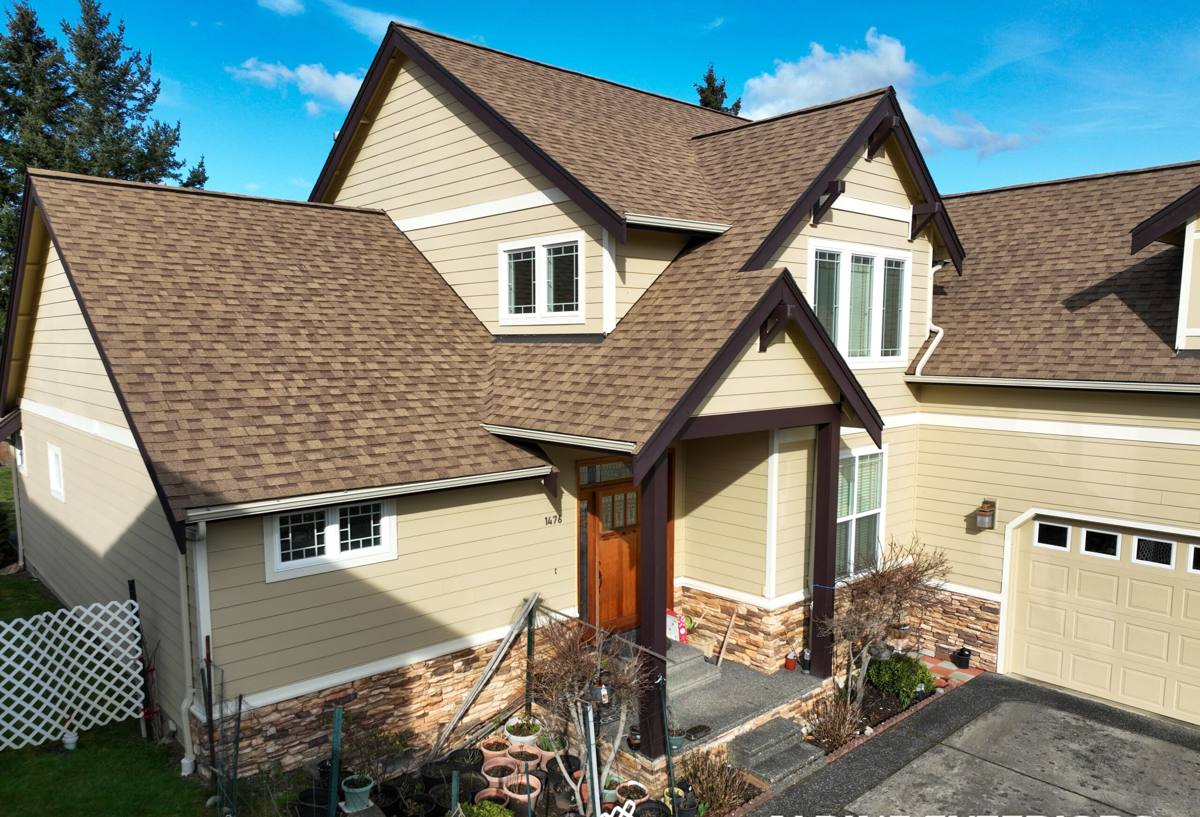
Custom windows aren't just about non-standard shapes. For most Birch Point homes, "custom" comes down to a few practical realities:
- Older homes in the area often have rough openings that were never square to begin with, so stock-sized replacement windows don't sit right without shimming and re-flashing done properly.
- Water-facing elevations usually deserve upgraded glass and hardware even if the rest of the house doesn't, since that's the side taking the worst of the weather.
- Sill heights, trim profiles, and grid patterns on older coastal homes are frequently not what's sold off the shelf today, so matching the existing look means custom sizing rather than a "nearest fit."
- Some homes have added storm exposure from tree loss or shoreline changes over the years, which can change what glass package or frame material makes sense compared to when the house was built.
A correct custom window job starts with an honest look at the specific opening, the specific exposure, and the specific way water and wind hit that wall — not a catalog number.
Assessing Exposure Before Anything Else
Before we talk products, we look at orientation. A window facing the water and prevailing wind needs a different level of detailing than one tucked on a sheltered side of the house. Treating every opening the same way is how salt-air homes end up with premature seal failure on the windows that take the worst beating.
Material and Glass Choices That Hold Up in Salt Air
There's no single "best" window material for every home — it depends on exposure, budget, and how much upkeep the homeowner wants to take on. Here's how the common options actually compare for a marine, salt-exposed site like Birch Point:
| Material | How It Handles Salt Air & Rain | Maintenance | Typical Trade-Off |
|---|---|---|---|
| Vinyl | Won't corrode or rust; performs well in salt exposure | Low — occasional cleaning | Frame color/size flexibility is more limited than wood or fiberglass |
| Fiberglass | Very stable in temperature swings and moisture; strong option for exposed elevations | Low | Higher upfront cost than vinyl |
| Wood (properly clad/finished) | Can look excellent but is the most sensitive to moisture intrusion if any detail is off | Highest — finish upkeep is not optional here | We recommend clad or well-protected wood only where exposure allows it |
| Aluminum | Strong but conducts cold and can be prone to condensation in this climate | Moderate | Usually not our first recommendation for residential coastal exposure |
We generally steer homeowners on exposed sides of the house away from raw or minimally protected wood, not because wood is a bad product, but because a marine climate with driving rain punishes any gap in the finish. That's a maintenance-and-moisture judgment call, not a knock on any manufacturer.
Glass Packages Worth Discussing
Beyond frame material, the glass package matters more here than in a lot of inland jobs. Double or triple glazing with a good low-E coating helps with both energy performance and comfort near cold glass on windy days. On water-facing walls, we'll also talk through impact-resistant or laminated options if wind-driven debris or storm exposure is a real concern for that specific opening.
Installation Details That Actually Prevent Failures
Most window failures we see in coastal Whatcom County homes trace back to installation, not the window itself. The product can be excellent and still leak if the flashing and sealing weren't done right. The details that matter most in a driving-rain, salt-air environment:
- Sill pan flashing that gives any water that gets past the window a way back out, instead of into the wall cavity.
- Proper head flashing and drip caps above the window so wind-driven rain doesn't get pushed up under the siding.
- Correct sealant selection — not every sealant holds up to sustained UV and salt exposure the same way, so this isn't a "grab whatever's on the truck" decision.
- Full perimeter shimming and squaring so the window operates correctly and the seal isn't stressed unevenly over time.
- Housewrap and flashing integration that ties into the existing wall assembly correctly, rather than just caulking around the new window and calling it done.
This is the part of the job that isn't visible once trim goes back on, which is exactly why it has to be done right the first time.
Our Process for a Birch Point Window Job
- On-site assessment. We look at each opening individually — exposure, existing framing condition, current signs of moisture, and how the window fits into the rest of the exterior.
- Honest product recommendation. We'll walk through material and glass options for that specific opening, including trade-offs, not just the highest-margin option.
- Accurate custom measurement. Especially important on older homes where openings have settled or shifted slightly over the years.
- Removal and inspection. Once the old window is out, we check the framing and sheathing underneath for any hidden moisture damage before installing anything new.
- Correct flashing and sealing. This is where the long-term performance is actually decided.
- Final fit, operation check, and cleanup. Every window gets checked for smooth operation and a tight seal before we consider the job finished.
Living With Windows in a Moss-Prone Marine Climate
Even a correctly installed, well-chosen window still needs some basic upkeep in this climate. A short seasonal checklist goes a long way:
- Rinse salt residue off frames and glass periodically, especially after storms — salt buildup accelerates wear on hardware and finishes.
- Keep gutters and nearby drainage clear so water isn't sheeting down over window heads.
- Watch for moss or algae starting to establish on sills, trim, or nearby siding — it holds moisture against the surface and is easier to remove early than after it's established.
- Check caulking and sealant lines once a year for cracking or gaps, particularly on the water-facing side of the house.
- Test operation of hardware seasonally — salt air can stiffen or corrode lower-quality hardware faster than inland homes ever experience.
Why It Matters That We Already Work in Birch Point
A crew that's worked other homes in this specific area already understands the exposure patterns here — which elevations take the worst weather, how the local building stock was typically framed, and what permitting and inspection expectations look like in Whatcom County. That's not something you get from a general contractor bid pulled from a wider service area with no specific familiarity with this stretch of coastline.
It also means fewer surprises during the job. We're not guessing at how a Birch Point home will behave once we open up a wall — we've seen it before, on homes facing the same wind and the same rain.
What Drives the Cost of a Custom Window Job
| Factor | Why It Affects Cost |
|---|---|
| Number and size of openings | More or larger windows means more material and labor |
| Frame material | Vinyl, fiberglass, and clad-wood carry different material costs |
| Glass package | Upgraded low-E, triple glazing, or impact-resistant glass adds cost on exposed sides |
| Condition behind the old window | Hidden rot or moisture damage found during removal adds repair scope |
| Custom sizing vs. stock sizing | Non-standard openings require true custom fabrication, not off-the-shelf units |
| Trim and exterior finish work | Matching existing trim profiles or repainting/staining adds labor |
We don't quote a job off a phone call — every estimate is based on actually looking at your openings, which is the only honest way to price this kind of work.
If you're weighing window options for a Birch Point home, we're glad to come take a look, walk you through what we'd recommend for your specific exposure, and give you a straightforward, no-pressure estimate using the form below.