 Blaine
 Roofing Storm Damage Repair Built for Blaine Harbor Conditions
Homes along Blaine Harbor sit in one of the more demanding roofing environments in Whatcom County. You're close enough to Drayton Harbor and Semiahmoo Bay that salt air is part of daily life, exposed enough to the weather moving through the Strait of Georgia to take real wind and driving rain, and shaded enough by the region's tree cover to deal with a moss season that runs long and heavy most years. None of that is unusual for the area. What it means for your roof is that damage doesn't always show up the way people expect, and a repair that would hold up fine somewhere drier and calmer often doesn't hold up here.
We repair storm-damaged roofs on Blaine Harbor homes with that specific combination in mind — not a generic patch job, but a repair matched to salt exposure, wind-driven rain, and moss pressure working on the same roof at the same time.
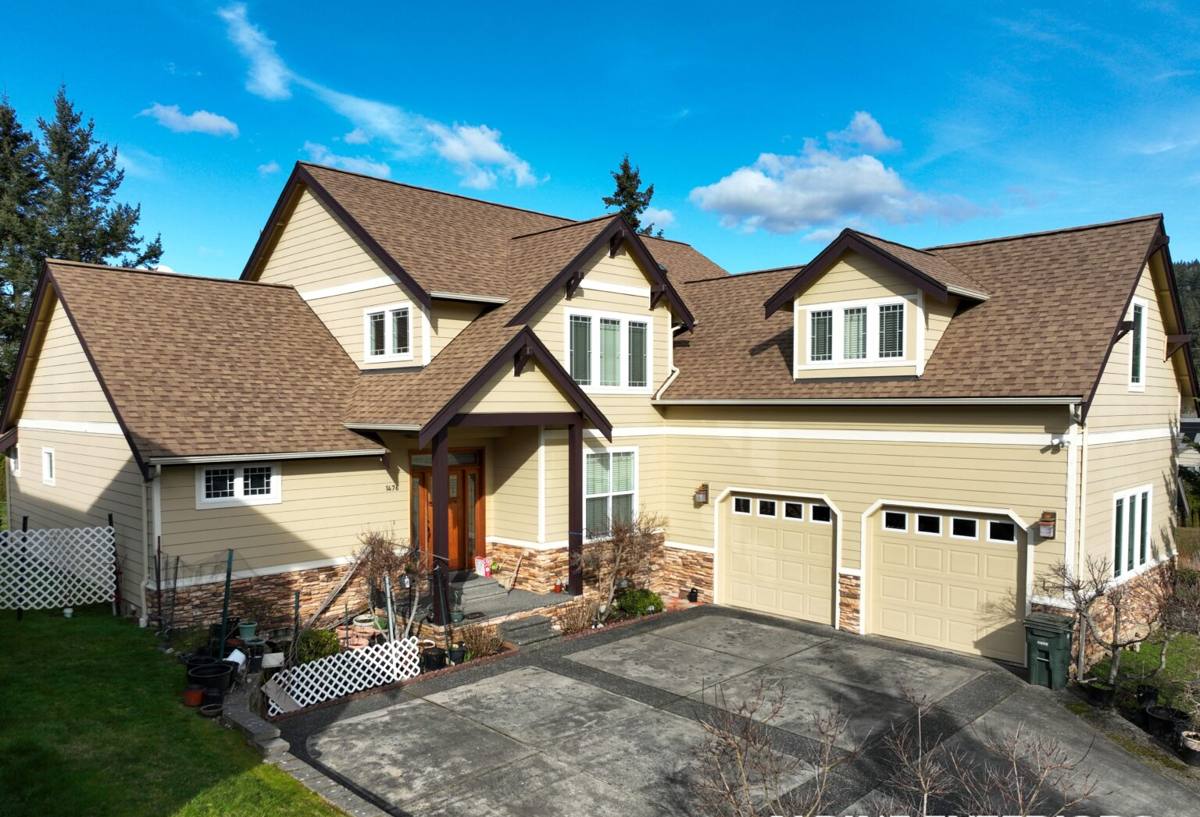
What Storm Damage Actually Looks Like on a Harbor-Area Roof
Wind Damage
Sustained wind off the water lifts shingle edges, breaks the adhesive seal strip, and can crease or crack shingles even when nothing blows off entirely. A roof can look intact from the ground after a windstorm and still have a dozen compromised shingles that will leak the next time it rains hard.
Wind-Driven Rain Intrusion
Straight-down rain and driving rain behave differently on a roof. When wind pushes rain sideways or even slightly upward under an eave, it finds gaps that never see water in calm conditions — lifted shingle tabs, marginal flashing, old pipe boots, and nail heads that have backed out over time. This is one of the most common ways storm damage shows up here: not a dramatic hole, but water working its way in through a dozen small points of entry.
Moss as Slow-Motion Storm Damage
A long moss season doesn't cause damage in one event, but it sets the roof up to fail during storms. Moss holds moisture against the roofing material, lifts shingle edges as it grows, and clogs the gutters and valleys that are supposed to move storm water off the roof quickly. A roof that's been carrying moss for a season or two is far more likely to leak in the next windstorm than a clean one, even if the shingles themselves aren't that old.
The Damage Homeowners Usually Don't See
The visible stuff — missing shingles, a dented vent cap, granules in the gutter — is only part of the picture. The damage that causes real problems is often underneath:
- Underlayment torn or soaked where shingles lifted, even if the shingles were pressed back down by the wind afterward
- Flashing around chimneys, skylights, and wall intersections bent or separated just enough to let water track sideways
- Nail pops that create small entry points invisible from the ground but obvious from the attic
- Sheathing that's gone soft or delaminated from repeated small leaks that were never traced to their source
- Gutter and valley debris (often moss) redirecting storm water somewhere the roof wasn't built to shed it
This is why a proper storm damage inspection includes the attic, not just a walk of the roof surface. A stain on the ceiling drywall is usually the last sign to appear, not the first.
Our Storm Damage Repair Process
1. Inspection and Documentation
We walk the roof, check flashing points, valleys, and penetrations, and go into the attic to look for moisture, staining, or daylight where there shouldn't be any. We document what we find with photos so you have a clear record — useful whether you're deciding on repair scope or filing an insurance claim.
2. An Honest Repair Plan
We tell you what actually needs to be fixed, what's cosmetic, and what's worth watching rather than replacing right now. If a small area of damage points to a bigger underlying issue — moss buildup, an aging roof nearing the end of its service life, or chronic flashing problems — we'll say so plainly instead of quoting a patch that won't hold.
3. The Repair Itself
Storm repairs on a harbor-area home typically involve replacing damaged shingles and the underlayment beneath them, resetting or replacing compromised flashing, resealing penetrations, and clearing moss and debris from valleys and gutters so water has a clear path off the roof. We match materials and fastening methods to the wind and moisture conditions the roof actually faces here, not to a generic spec sheet.
4. Follow-Through
After the repair, we check that flashing seams and shingle seals are fully set and that nothing was missed nearby. A storm rarely damages just one isolated spot — if we're up there, we look at the whole roof plane, not just the reported problem area.
Repair or Replace: How We Help You Decide
Not every storm-damaged roof needs to be replaced, and not every roof that "just needs a patch" is actually a good repair candidate. The table below covers the factors that typically decide it.
| Factor | Favors Repair | Favors Replacement |
|---|---|---|
| Roof age | Under roughly 12-15 years | Nearing or past expected service life |
| Extent of damage | Isolated to one area or slope | Spread across multiple slopes |
| Underlayment condition | Dry, intact away from damage | Widespread moisture or deterioration |
| Moss history | Light, recently treated | Heavy, long-term, lifting shingles broadly |
| Decking condition | Solid, no soft spots | Soft, delaminated, or rotted sheathing |
| Prior repairs | Few or none | Multiple past patches in different spots |
Salt air and a long wet season both push roofs toward the "replace" side of this table faster than they would in a drier, calmer climate, which is part of why we weigh roof age a little more heavily on harbor-area homes than we might elsewhere in the county.
Materials and Methods We Rely On Here
We select roofing components with salt exposure and driving rain in mind, favoring corrosion-resistant flashing and fasteners over standard-grade hardware, and installation methods that seal well against wind-driven rain rather than just standard vertical drainage. On the moss side, our standard is proper mechanical cleaning and treatment rather than aggressive pressure-washing, which can strip granules and shorten shingle life — a maintenance trade-off we're upfront about rather than a shortcut we take.
Storm Damage and Insurance Claims
Many storm damage repairs on Blaine Harbor homes are at least partly covered by homeowners insurance, particularly when there's a documented wind event behind the damage. We're not your insurance adjuster and we won't promise a claim outcome, but our inspection photos and written scope of work are the kind of documentation adjusters typically want to see, and we're glad to walk you through what we found so you can make your own call about filing.
After a Storm: What to Check From the Ground
You don't need to get on the roof yourself to get a sense of whether it's worth a professional look. After a windstorm or heavy rain event, check for:
- Shingle pieces or granules in the gutters or on the ground around the house
- Visible gaps, lifted edges, or discoloration on roof slopes you can see from the yard or street
- New water stains on interior ceilings, especially near chimneys, skylights, or exterior walls
- Damp or musty smells in the attic or top-floor closets
- Gutters overflowing or draining unevenly during rain, which can point to blockage or a sagging section
- Debris or moss buildup that's noticeably worse than it was before the storm
Any one of these is worth a call. Together, they're a strong sign the roof needs attention before the next storm rolls through.
Why It Matters That We Already Work Blaine Harbor
A roof crew that regularly works this stretch of Whatcom County already knows how salt air ages flashing, how fast moss comes back after a mild clean, and which parts of a roof take the worst of the wind coming off the water. That's not something you can fully substitute with a general checklist — it comes from repeatedly seeing how these specific conditions play out on real roofs in this specific area. It shows up in small decisions during a repair: which flashing detail to upgrade instead of just replace in kind, where an extra bead of sealant earns its keep, which valleys need a closer look for debris even when they weren't the reported problem.
If you're dealing with storm damage on a Blaine Harbor home, we're happy to take a look and give you a straight answer about what's going on and what it'll take to fix it right. Reach out for a free, no-pressure estimate using the form below.