 Blaine
 Building New in Point Roberts Means Building for the Exposure
Point Roberts sits on its own peninsula, cut off from the rest of Washington by water and border, and surrounded on three sides by the Strait of Georgia. If you're framing a new home or a major addition out there, your window choices carry more weight than they would on a typical inland lot. Salt-laden air moves through constantly, driving rain comes in sideways off the water for months at a time, and the shaded, damp corners of a lot grow moss and algae almost year-round. New-construction windows are your one real chance to get this right from the start — retrofitting a poorly flashed or under-specified window after the siding and trim are closed up is a much bigger job than doing it correctly the first time.
New-construction windows are different from replacement windows in a structural sense: they come with a nailing fin (or flange) that gets integrated directly into the building's water-resistive barrier during framing, before siding goes on. That's the whole advantage — done properly, the window becomes part of a continuous drainage plane instead of a patch installed into an existing wall. On a Point Roberts lot exposed to marine weather, that continuity is what keeps water out for the next 30-plus years.
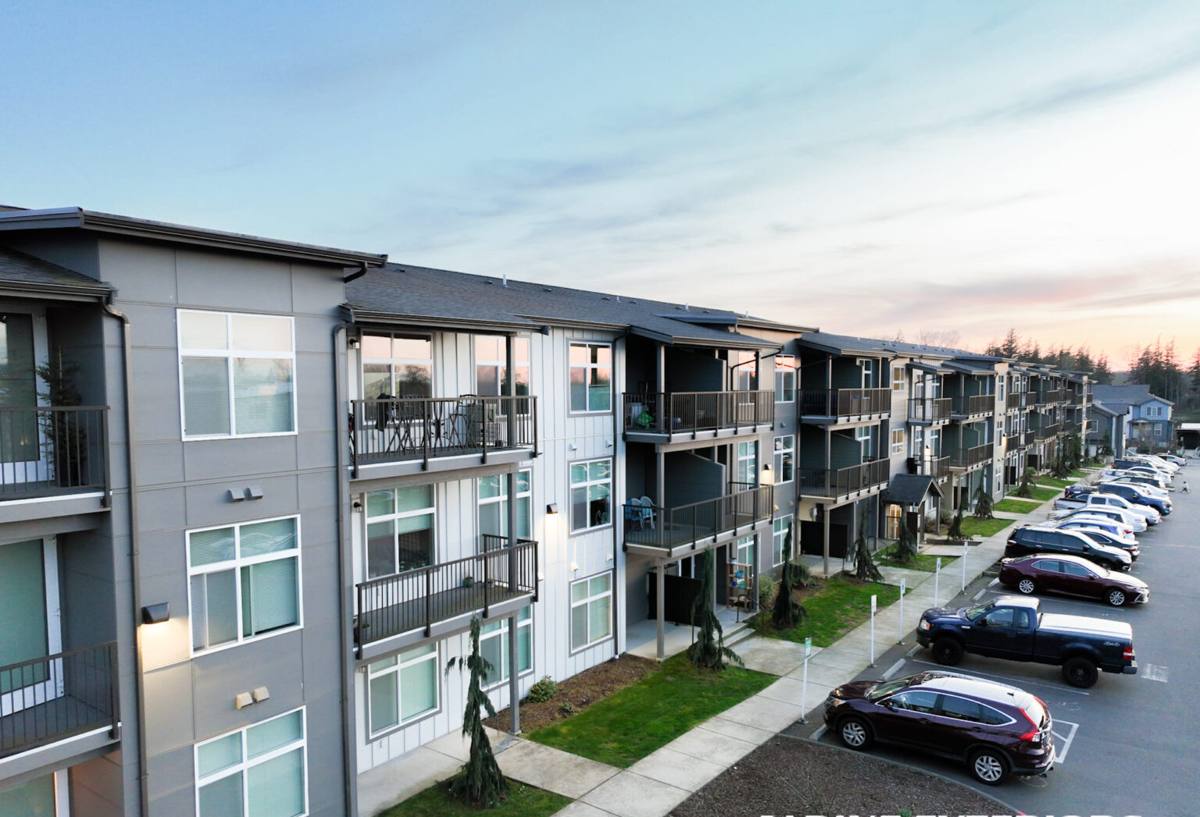
What Point Roberts' Climate Actually Does to a Window Installation
Salt Air and Corrosion
Salt air accelerates corrosion on fasteners, flashing tape adhesives, and lower-grade hardware. Cheap staples or uncoated fasteners around a window opening will show rust streaks within a couple of seasons in a spot like this. We spec corrosion-resistant fasteners and flashing components for anything near the water, which is most of Point Roberts.
Driving Rain
Wind-driven rain off the Strait doesn't fall straight down — it gets pushed sideways into wall assemblies, which is exactly the condition that exposes a shortcut flashing job. Head flashing, back-dam details, and properly lapped sill pans matter more here than they would on a sheltered inland site.
Moss and Algae Season
Whatcom County's damp, mild winters keep moisture sitting on north-facing and shaded elevations for long stretches, which is what feeds moss and algae growth on trim, sills, and siding. Window sills and horizontal trim need to shed water cleanly and dry out between rain events, or they become a growth surface and, eventually, a rot risk.
What a Correct New-Construction Window Installation Involves
A window opening is only as good as the sequence it was built in. Skipping or reordering any of these steps is where leaks start, usually years later when the wall is already closed up.
- Rough opening prep — squaring, leveling, and confirming dimensions before the window ever shows up on site.
- Sill pan flashing — a sloped, waterproof pan under the window that directs any water that gets past the window back outside, not into the wall cavity.
- Window-to-WRB integration — the nailing flange is taped and lapped into the house wrap or building paper in the correct shingle-style order (sides, then head) so water is always directed downward and outward.
- Back-dam and head flashing — a raised back edge on the sill pan and proper flashing above the window to intercept driving rain before it reaches the frame.
- Fastening and shimming — the unit is shimmed square and plumb, then fastened per the manufacturer's schedule to preserve the warranty and prevent frame distortion.
- Interior and exterior sealant — a continuous, compatible sealant bead where specified — never over-sealed to the point of trapping moisture in the wrong place.
Every one of these steps is easy to verify while the wall is still open. Once siding and trim go on, most of them are invisible — which is exactly why the crew doing the install matters as much as the window brand.
Choosing Window Products for a Marine-Exposed Lot
We install a range of vinyl and fiberglass new-construction window lines and can talk through options once we know your budget and the home's design. For Point Roberts specifically, a few practical factors tend to matter more than brand names:
| Factor | Why It Matters Here |
|---|---|
| Frame material | Vinyl and fiberglass both resist salt-air corrosion far better than bare aluminum or unclad wood exteriors exposed to the elements. |
| Glazing / low-E coating | Helps with energy performance and condensation resistance through Whatcom County's damp, mild winters. |
| Weatherstripping quality | Driving rain finds weak seals fast; better compression seals hold up longer under sustained wind-driven exposure. |
| Hardware finish | Corrosion-resistant hardware coatings matter more here than on an inland install — cheaper finishes pit and stain within a few years near the water. |
| Warranty structure | Read what's actually covered — some warranties exclude coastal/marine environments or require specific installation documentation. |
We won't push a product line that doesn't hold up to this exposure just because it's cheaper up front — the maintenance burden and premature failure risk on a marine site isn't worth the short-term savings, and we'll tell you that plainly during the estimate.
Our Process for New Construction in Point Roberts
1. Site Visit and Plan Review
We walk the site (or review your plans if we're coordinating with your builder) and talk through orientation — which elevations face the prevailing weather, where the shaded, damp corners are, and how that should influence flashing details and product selection.
2. Coordination With Your Builder or GC
New-construction window installs are a sequenced trade — we work directly with your framer and siding crew (sometimes that's us on both ends) so the WRB, flashing, and window integration happen in the correct order without gaps.
3. Installation
We follow the sequence outlined above on every opening, not just the ones that are easy to reach. Consistency across every window on the house is what actually prevents callbacks.
4. Walkthrough
Before siding closes up the wall, we walk the openings with you or your GC so everyone can see the flashing and integration before it's covered — this is your one window (literally) to catch anything before it's hidden for good.
Logistics: Why the Peninsula Matters
Point Roberts is a border-crossing exclave — getting materials, crews, and equipment out there involves the Canadian border crossing every time, which affects scheduling in ways that don't apply to a job in downtown Blaine. A crew that already routes projects out to Point Roberts regularly has that logistics figured out: material staging, crossing timing, and realistic scheduling windows. A crew doing it for the first time is learning that on your project's timeline, which usually means delays.
Common Mistakes We See on Marine-Exposed New Construction
- Flashing tape applied in the wrong order (head flashing under the side flanges instead of over them), which channels water directly into the wall cavity.
- No back dam on the sill pan, so any water that gets past the window has nowhere to go but into the framing.
- Standard fasteners used instead of corrosion-resistant hardware, leading to rust staining and eventual fastener failure.
- Over-caulking the exterior in a way that seals moisture inside the wall assembly instead of letting it drain and dry.
- Window openings framed slightly out of square, forcing the installer to compensate with shims and sealant instead of a clean, warrantied fit.
- Skipping the pre-siding flashing walkthrough, so nobody catches a mistake until it shows up as a leak years later.
Maintenance Once the Home Is Built
New-construction windows installed correctly need very little upkeep, but a Point Roberts location still calls for a bit more attention than an inland home:
- Rinse salt residue off frames and glass periodically, especially on wind-facing elevations.
- Check and clear weep holes at the base of the frame so the drainage path stays open.
- Keep an eye on sills and horizontal trim for early moss or algae growth and clean it off before it takes hold.
- Re-inspect exterior sealant lines every few years — sealant is a maintenance item, not a permanent fix, and UV plus salt exposure breaks it down faster here than inland.
What This Costs and What Drives the Price
Pricing on new-construction windows depends on unit count, size, frame material, glazing package, and how much flashing and coordination work is involved with your framer or GC. Rather than throw out a number that won't reflect your actual project, we'd rather walk the plans or the site and give you a real figure. In general, expect the exposure-driven upgrades — better hardware finishes, upgraded sealants, more careful flashing detailing — to add a modest amount over a bare-minimum install, and expect that to pay for itself many times over versus a leak repair after the walls are closed.
If you're planning new construction or a major addition in Point Roberts, we're happy to come take a look, walk your plans, and put together a straightforward, no-pressure estimate. Use the form below to get started.