 Blaine
 Board & Batten Built for Nooksack's North County Climate
Board and batten has become one of the most requested siding profiles for homes in and around Nooksack, and it's easy to see why. The vertical lines read as clean and modern on newer builds, and they pair naturally with the barn-style and farmhouse architecture that's common on the larger lots north of Blaine. But the look is only half the job. Whatcom County's far-northern climate — salt-laden air pushing in off the Strait of Georgia, sideways rain through the fall and winter, and a moss season that can stretch for months — is genuinely hard on vertical siding if it isn't detailed correctly. This page covers what board and batten needs to hold up out here, what a correct installation actually involves, and how we approach it on Nooksack homes specifically.
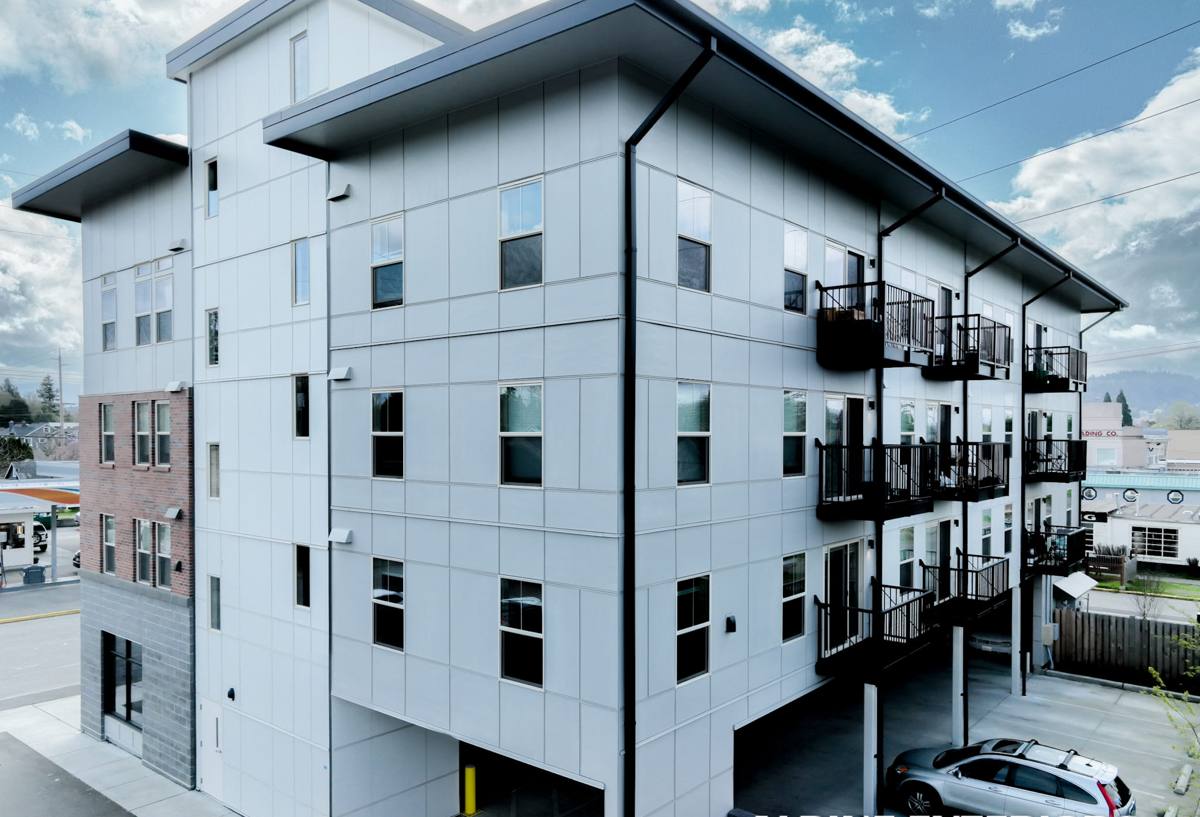
What Salt Air, Driving Rain, and Moss Season Actually Do to Siding
Salt Air
Proximity to the Strait means airborne salt is a constant, low-level presence on siding, trim, and especially fasteners. Salt accelerates corrosion in anything less than stainless or coated fastener systems, and it draws moisture — siding surfaces in salt-exposed areas stay damp longer after a storm than the same siding a few miles inland. Over years, that combination attacks paint film, primer, and any exposed wood fiber faster than most homeowners expect.
Driving Rain
Blaine and the surrounding county see rain that doesn't just fall straight down — winter storms push it sideways into wall assemblies. Board and batten's vertical seams are more exposed to this than a horizontal lap profile, because water is running down the face of the wall and hitting every batten joint on the way. If those joints, the rain screen gap behind them, and the flashing at windows and trim aren't detailed correctly, water finds its way behind the siding instead of shedding off the surface.
Moss Season
Shaded north- and west-facing walls in this part of the county hold moisture long enough for moss and algae to take hold, often for a good chunk of the year. Moss doesn't just look bad — it holds water against the siding surface and, on products that aren't dimensionally stable, it can work into seams and joints. A siding material's ability to resist moisture absorption at the substrate level matters as much here as the paint finish on top.
What a Correct Board & Batten Installation Requires
Board and batten is a deceptively simple-looking profile, but it's less forgiving of shortcuts than lap siding. A correct install on a Nooksack-area home includes:
- A true rain screen gap behind the panels, so any water that gets past the surface has a drainage path instead of sitting against the wall sheathing.
- Correct batten spacing and fastening — battens fastened into structural framing, not just the panel behind them, with spacing that matches the manufacturer's engineering, not just what looks even.
- Proper flashing at every horizontal transition — window heads, door heads, roof-to-wall intersections, and the bottom termination at the foundation.
- Fastener selection matched to the environment — corrosion-resistant fasteners are not optional this close to the water.
- Sealed and backed joints at seams and corners, using sealants rated for the movement and exposure this profile sees.
- Factory-finished material where possible, so the paint bond isn't dependent on field conditions the day of installation.
Skip any one of these and the failure usually doesn't show up right away — it shows up two, five, or eight years later as staining, soft spots at the base of boards, or paint peeling along the battens first.
Why We Install Board & Batten Only in James Hardie Fiber Cement
Board and batten is available in a lot of materials — cedar, primed spruce, LP SmartSide engineered wood, vinyl, and fiber cement. We only install it in James Hardie fiber cement, and given the climate this siding profile faces here, that's a deliberate call rather than a brand preference.
Wood and engineered-wood board and batten depend on an intact paint or coating layer to keep moisture out of the substrate. In a climate with this much rain exposure and this long a moss season, that coating is working overtime, and any breach — a nick, a nail pop, an unsealed joint — gives water a path into a substrate that will swell, rot, or delaminate. Vinyl board and batten sheds water fine but is a thin, flexible material that shows every wave and oil-can in direct light, and it doesn't hold paint if a homeowner ever wants to change the color down the road.
James Hardie fiber cement is dimensionally stable and doesn't absorb water into a wood-fiber substrate the way engineered wood or solid wood does. It's non-combustible, which matters more every year as wildfire-driven insurance underwriting tightens across the Pacific Northwest. And the ColorPlus factory finish is baked on under controlled conditions, not applied on a scaffold in variable weather — which is a real advantage on a profile like board and batten where the seams and battens create a lot of edges for a field-applied coating to fail first. Hardie's HZ5 product line is engineered specifically for climates with freeze-thaw cycling and sustained moisture exposure, which describes this stretch of Whatcom County well.
Board & Batten Material Comparison
| Material | Moisture Behavior | Maintenance | Fire Rating | Typical Warranty |
|---|---|---|---|---|
| James Hardie fiber cement | Does not absorb water into substrate; dimensionally stable | Occasional wash; ColorPlus finish resists fading and chalking | Non-combustible | 30-year limited, factory finish warranty separate |
| Cedar / primed spruce | Absorbs moisture if coating is breached; prone to swelling and rot at joints | Recoat/repaint on a recurring cycle; caulk maintenance at seams | Combustible | Varies by mill; coating warranty separate from material |
| LP SmartSide (engineered wood) | Resin-treated but still wood-based; edges and cuts need sealing | Field-applied finish requires monitoring at seams and cuts | Combustible | Typically 5-year workmanship, longer limited material warranty |
| Vinyl board and batten | Sheds water but can trap moisture behind if not vented correctly | Low, but color can't be changed and panels can warp or fade | Combustible, can deform in heat | Varies widely by manufacturer grade |
Cost Factors on Nooksack-Area Board & Batten Projects
Board and batten pricing depends on more than square footage. The factors that move the number most on homes in this area:
| Factor | Why It Matters |
|---|---|
| Tear-off vs new construction | Removing and disposing of existing siding, checking sheathing condition, and repairing any hidden water damage adds labor before the new siding goes on. |
| Wall height and gable complexity | Steep gables and tall walls common on farmhouse-style homes in this area require more staging and more cutting around trim. |
| Trim and corner detail | Board and batten's clean look depends on crisp trim at corners, windows, and roof lines — more trim detail means more labor. |
| ColorPlus vs field-painted finish | Factory-applied color costs more up front but removes an entire maintenance cycle from the homeowner's plate. |
| Site access | Rural lots and longer driveways around Nooksack can affect staging and material delivery logistics. |
We give homeowners a real number after we've actually looked at the walls — not a phone-quote based on square footage alone.
Our Process for Board & Batten Projects in This Area
- On-site inspection — we check existing sheathing, look for signs of moisture damage behind current siding, and assess wall orientation for sun, shade, and rain exposure.
- Product and finish selection — panel width, batten spacing, and ColorPlus color chosen for the home's design and the wall's actual exposure.
- Prep and rain screen installation — any needed sheathing repair, then a proper drainage plane before a single panel goes up.
- Installation to Hardie's fastening and clearance specifications — not shortcuts that only show up as problems years later.
- Flashing and sealant detail at every window, door, and roof intersection.
- Final walkthrough with the homeowner and warranty registration paperwork completed on the spot.
Maintenance Checklist for Board & Batten Homes
- Rinse siding annually, focusing on north- and west-facing walls where moss and algae collect most.
- Check caulking at window and door trim yearly for cracking or separation.
- Keep gutters clear so overflow doesn't run down the wall face during heavy rain.
- Trim back landscaping that keeps siding shaded and damp longer than it needs to be.
- Inspect the base of the siding near grade for staining or soft spots after the wet season.
- Have any fastener corrosion or paint failure addressed early — it's a small fix caught early and a bigger one caught late.
Why It Matters That We Already Work in Nooksack
A crew that already works this part of Whatcom County knows which walls take the worst of the weather off the Strait, how long moss season really runs here, and what detailing actually holds up versus what looks fine on installation day. That's not something you get from a general contractor who does one job in the area and moves on. We stand behind the material we install and the way we install it, and we'd rather walk a homeowner through the real trade-offs on the front end than have them find out the hard way five years in.
If you're planning a board and batten project for a home in or around Nooksack, we're happy to take a look and give you a straight assessment — no pressure, no phone-quote guessing. Use the form below to request a free estimate.