 Blaine
 Why Window Installation in Sandy Point Takes a Different Approach
Sandy Point sits right up against the water, and that exposure changes what a window needs to survive. Homes a few miles inland in Whatcom County deal with plenty of rain, but a waterfront property like the ones in Sandy Point gets that rain sideways, carried in on wind straight off the water, along with a steady dose of salt-laden air. Add in a long, gray moss season that runs most of the year in this part of the Pacific Northwest, and you have a set of conditions that will find every weak point in a window installation — usually within a few years, not a few decades.
This isn't a page about windows in general. It's about what actually holds up on a Sandy Point lot, what a correct installation looks like for this specific exposure, and why the crew doing the work matters as much as the window itself.
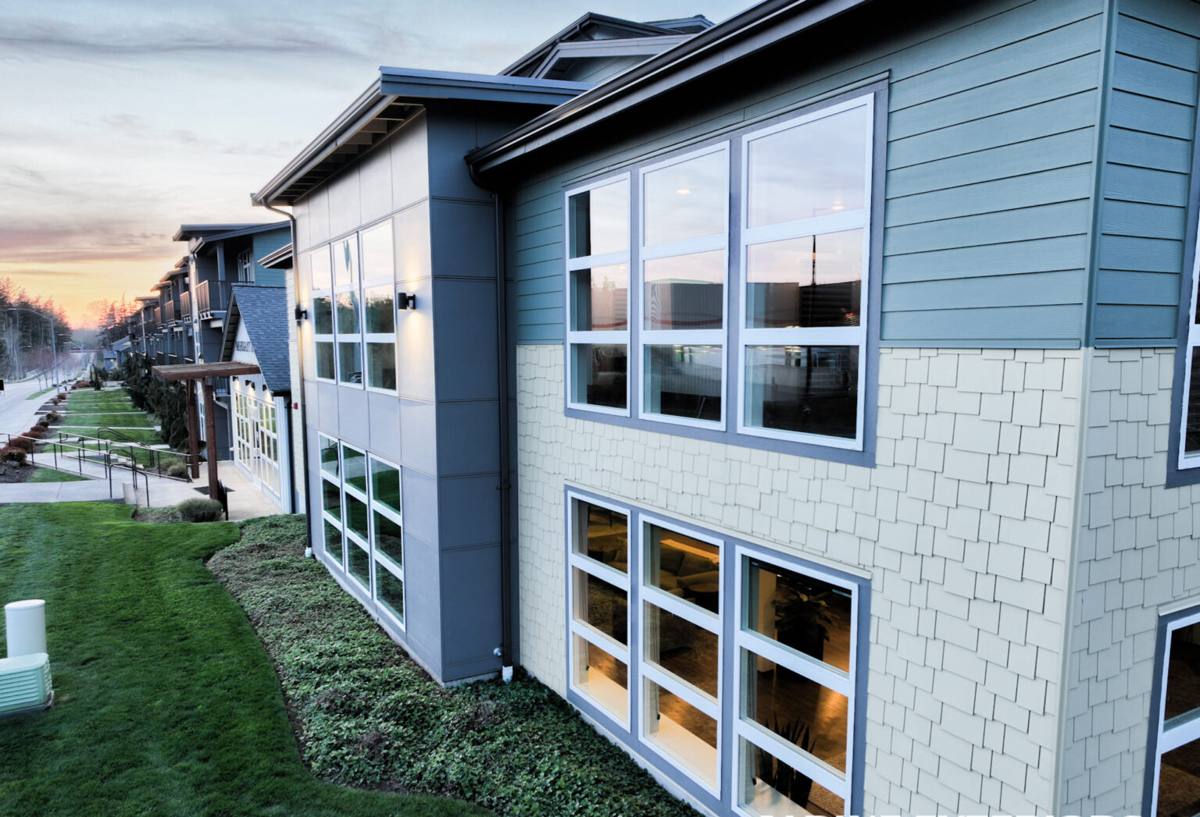
What Salt Air and Driving Rain Actually Do to a Window Over Time
Salt Air
Airborne salt is corrosive to metal. Window hardware — hinges, locks, balance systems, and especially fasteners — is the first thing to show it. Cheaper zinc-plated or standard steel screws and hardware will start pitting and rusting years before an inland home would see the same wear. Aluminum frames and trim, if not properly finished or protected, can pit and chalk faster near the water too.
Driving Rain
Wind-driven rain doesn't just fall on a window, it gets pushed into every gap, seam, and fastener hole. A window that would perform fine on a sheltered, inland wall can leak on a waterfront wall if the flashing and water management behind the trim isn't built for wind-driven exposure specifically. Most leaks we find in older installations aren't a bad window — they're a flashing detail that was fine for a calm site and never adequate for this one.
Moss and Constant Moisture
A long moss season means more months of the year where wood trim, sills, and any organic debris around a window stay damp. That moisture holds against caulk lines and painted wood far longer than it would in a drier climate, which accelerates rot at sills and trim if the original installation didn't fully seal and slope water away from the opening.
Choosing Window Materials That Make Sense for This Exposure
There's no single "best" window material — there's a best fit for the exposure, the home's style, and the budget. For a Sandy Point property, we weigh corrosion resistance, moisture behavior, and long-term maintenance heavier than we would on a sheltered inland lot.
| Material | Salt-Air / Corrosion Behavior | Moisture & Rot Resistance | Ongoing Maintenance |
|---|---|---|---|
| Vinyl | Does not corrode; hardware quality still matters | Won't rot; seams and welds need to be well-made | Low — occasional cleaning |
| Fiberglass | Excellent; very stable in coastal exposure | Won't rot; dimensionally stable in wet-dry cycling | Low |
| Aluminum-clad wood | Good if cladding and flashing details are done right | Wood core is protected as long as the seal stays intact | Moderate — seals and joints should be checked periodically |
| Bare wood (uncladded) | Not the issue — moisture is | Highest maintenance burden in a wet, humid marine climate | High — repainting and sealing on a regular cycle |
| Bare aluminum frame | Prone to pitting and corrosion near salt water over time | Frame itself won't rot, but condensation and thermal performance are weaker | Moderate to high |
We steer most Sandy Point homeowners toward vinyl or fiberglass for the field windows, and we're honest about the trade-off with uncladded wood: it can look great, but it asks a homeowner to keep up a maintenance schedule that this climate doesn't forgive if it slips for a season or two. That's a maintenance-burden decision for the homeowner to make with full information, not a knock on wood as a material.
What a Correct Installation Actually Involves
The window itself is maybe a third of what determines whether an installation holds up here. The other two-thirds is water management — the parts you don't see once the trim goes back on.
The Opening Itself
Before a new window goes in, the rough opening needs to be checked for square, level, and soundness. Any rot or moisture damage found at this stage gets addressed before anything is reinstalled — covering over a soft sill with new trim just hides the problem for a year or two.
Flashing and Water Management
This is the detail that matters most on a wind-exposed, salt-air site. A correctly flashed window integrates with the home's weather-resistive barrier so that any water that does get behind the trim has a path back out, rather than a place to collect. A sloped sill pan at the bottom of the opening is standard practice here, not an upgrade — it's the difference between water draining away and water sitting against the sill.
Sealant and Fastener Choices
We use fasteners and hardware rated for coastal/corrosive exposure rather than standard-grade hardware, and we use sealants matched to the substrate and expected movement rather than a single generic caulk for every joint. Caulk is a backup layer, not the primary defense — a window that depends on a bead of caulk to stay dry is a window that's going to leak eventually.
Insulation and Air Sealing
The gap between the window frame and the rough opening gets properly insulated and air-sealed, which matters for comfort and condensation control as much as for energy bills.
Mistakes We See in Older Installations Around Blaine
- Caulk used as the only water barrier, with no sill pan or proper flashing underneath
- Standard hardware and fasteners that have already started corroding within a few years
- Trim reinstalled over a sill that was already softening from moisture, hiding rather than fixing the problem
- Gaps around the frame left unsealed or under-insulated, leading to drafts and condensation
- Window sized or shimmed unevenly, putting stress on the frame and the seal over time
None of these show up as a problem on install day. They show up two, five, or ten winters later, which is exactly why the installation details matter more than they might seem to at the time.
Our Installation Process
- On-site assessment. We look at each opening's exposure — direct wind and water exposure toward the water reads differently than a more sheltered wall on the same house.
- Product selection. We walk through material, glass package, and hardware options suited to the exposure and the home's style, with honest trade-offs on cost and maintenance.
- Prep and removal. Old windows come out carefully, and we inspect the opening for hidden rot or moisture damage before anything new goes in.
- Repair as needed. Any soft framing or sill damage gets repaired properly before the new window is set — not covered over.
- Installation. The window is set, shimmed square and plumb, and mechanically fastened per the manufacturer's specifications.
- Flashing and weatherproofing. Sill pan, flashing integration with the wall's water-resistive barrier, and appropriate sealant at each joint.
- Insulation, trim, and finish. Gaps are sealed and insulated, then trim is finished to match the home.
- Walk-through. We go over the work with the homeowner and explain anything they should keep an eye on.
Energy Performance and Condensation in a Marine Climate
Whatcom County's marine climate is mild in temperature but consistently humid, which changes how a window performs compared to a drier or colder inland climate. Low-E glass packages help control heat loss without needing the extreme cold-climate glass specs used elsewhere in the country. Condensation is often more about balanced ventilation and a well-sealed frame than it is about the glass itself — a poorly air-sealed frame will show condensation and even mildew at the frame edges well before the glass does.
What Drives the Cost of a Window Installation
| Factor | Why It Matters Here |
|---|---|
| Window material | Vinyl is typically the most budget-friendly; fiberglass and clad-wood cost more but bring different maintenance profiles |
| Size and configuration | Larger units and specialty shapes (bays, custom sizes) take more labor and material |
| Exposure and access | Wind and water-exposed elevations may need additional flashing detail; difficult access (second story, tight side yards) adds labor |
| Condition of the existing opening | Hidden rot or moisture damage found during removal adds repair time before the new window can go in |
| Number of windows | Whole-house or multi-window projects typically bring a better per-window cost than single replacements |
As a broad range, most single-window replacements in this area run somewhere in the low-to-mid four figures depending on size and material, with whole-house projects priced per window once the scope is set. Every home is different, and the only way to give an accurate number is to see the openings in person.
Living With Salt Air and Moss Season: A Maintenance Checklist
A correctly installed window still benefits from some basic upkeep in this climate. A short seasonal routine goes a long way:
- Rinse salt residue off frames and glass periodically, especially on wind-exposed elevations
- Clear moss, leaves, and debris from sills and tracks so water isn't sitting against the frame
- Check that weep holes (on vinyl and clad units) are clear and draining
- Look over exterior caulk lines once a year for cracking or gaps and have them touched up before they fail
- Operate hardware a few times a season so locks and balances don't seize from disuse
- Watch for soft spots or discoloration at sills and trim, which can signal moisture getting behind the finish
Why It Matters to Hire a Crew That Already Works in Sandy Point
Window installation is one of those jobs where the manufacturer's instructions are a starting point, not the whole answer. A crew that's used to installing on sheltered, inland lots and a crew that's used to Sandy Point's direct water exposure will make different calls on flashing detail, hardware grade, and sealant choice — even installing the exact same window. Familiarity with how wind and rain actually hit these lots, and with the kind of moisture and moss-related wear this stretch of Whatcom County produces, shows up in decisions that aren't spelled out in any install manual.
It also matters for accountability. A local crew that stands behind its work on Sandy Point homes has a reason to get the water management details right the first time, because a callback on a waterfront installation is a bigger job than on a sheltered one.
If you're weighing a window replacement or new installation on a Sandy Point home, we're glad to take a look and give you a straightforward, no-pressure estimate — no obligation, just an honest read on your windows and what they need. The form below is the easiest way to get started.