 Blaine
 Storm Damage on Birch Point Roofs Isn't Like Storm Damage Anywhere Else
Birch Point sits right up against the water, which means every storm that rolls through Whatcom County hits these homes a little harder than it hits a roof five miles inland. Wind gets a longer run-up over open water before it reaches the shoreline, salt air works into fasteners and flashing metal year-round, and the moss season here runs longer than most homeowners realize. By the time a roof shows a stain on the ceiling, the damage underneath has usually been building for weeks or months, not days.
We work on roofs in Blaine and along this stretch of coastline regularly, and Birch Point has its own pattern of problems that's worth understanding before you decide how to fix a storm-damaged roof — or whether what you're looking at is really storm damage at all versus long-term wear that a storm finally exposed.
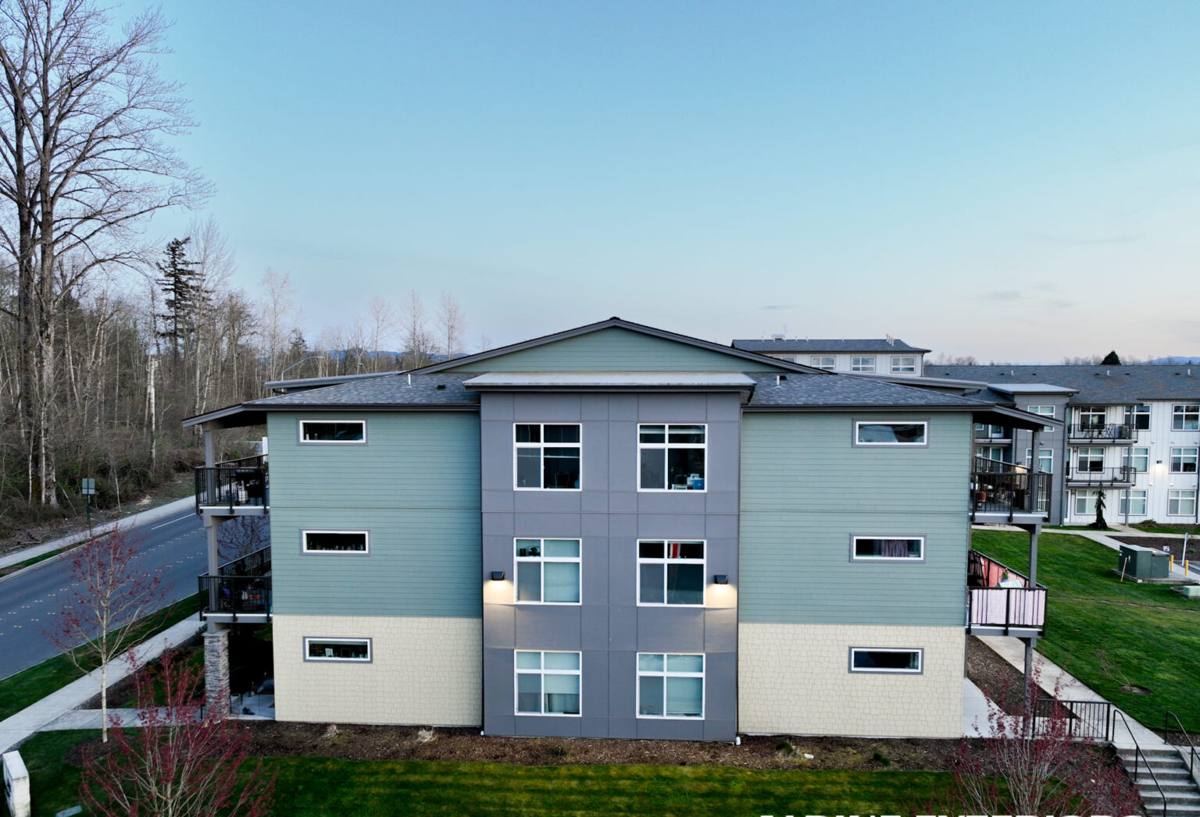
What Makes Birch Point Roofs Vulnerable
Wind Exposure Off the Water
Homes closer to the shoreline take wind gusts with less obstruction than roofs tucked into the trees further inland. That extra wind speed is exactly what lifts shingle edges, works ridge caps loose, and drives rain sideways under laps that would otherwise shed water fine. A roof that's been fine for years can lose shingles in a single bad blow once the adhesive strips have aged and lost their grip.
Salt Air and Metal Fatigue
Salt-laden air is hard on anything metal — nails, flashing, drip edge, valley metal, and vent boots with metal collars. Corrosion doesn't announce itself; it just slowly eats away fastener heads and thins out flashing until a storm's wind and rain finally find the weak point. This is a big reason storm damage near the water tends to show up as a leak at a flashing detail rather than a hole in the field of the roof.
Moss Season and Trapped Moisture
Whatcom County's damp, mild climate gives moss a long growing season, and Birch Point's tree cover and marine humidity make it worse. Moss holds moisture against the roof surface, lifts shingle tabs as it grows, and channels water sideways instead of letting it run off — so a storm that would shed cleanly off a moss-free roof instead pools and works its way under the shingles on a mossy one. Storm damage and moss damage often show up together here, and it's important to know which one actually caused the leak.
What Correct Storm Damage Repair Actually Involves
A lot of storm repair work we get called to fix wasn't done wrong out of laziness — it was done fast, by someone who wasn't from the area and didn't account for what this climate does to a roof long-term. Correct repair means treating the storm damage as a symptom and checking what let it happen.
1. A Full Roof Assessment, Not Just the Obvious Spot
We check the whole roof, not just where the homeowner saw a stain or missing shingle. Wind damage is rarely confined to one spot — if one section lost shingles, nearby areas usually have lifted or loosened shingles that haven't blown off yet but will in the next storm.
2. Matching Materials, Not Just Patching
Shingles fade and weather over time, so a patch with mismatched material stands out and can also perform differently in wind. Where a clean match isn't possible, we're upfront about that trade-off rather than pretending a patch will be invisible.
3. Flashing and Underlayment Checked, Not Assumed Fine
Since salt air corrosion tends to hit metal flashing and fasteners first, a repair that only replaces shingles without checking flashing condition underneath is a repair that's likely to fail again. We check valleys, step flashing, chimney and vent flashing, and drip edge as part of any storm repair — not as an upsell, but because that's usually where the water actually got in.
4. Moss and Debris Cleared as Part of the Job
If moss contributed to the failure, we clear it and treat the area as part of the repair, not as a separate visit. Leaving moss in place around a fresh repair just sets up the same failure again next wet season.
Our Process for Birch Point Storm Repairs
- Inspection: We walk the roof (or use a lift/drone where pitch or access requires it) and document actual damage — not a guess from the ground.
- Honest scope: We tell you what's storm damage, what's pre-existing wear the storm exposed, and what can reasonably wait.
- Written estimate: Clear pricing before any work starts, including material and labor breakdown so you know what you're paying for.
- Insurance documentation: If you're filing a claim, we provide photos and a damage summary your adjuster can use.
- Repair: Matched materials, corrected flashing where needed, and moss/debris cleared from the repair area.
- Walkthrough: We show you what was done and what to watch for going forward, given your roof's age and exposure.
Repair vs. Replacement: How We Help You Decide
| Factor | Leans Toward Repair | Leans Toward Replacement |
|---|---|---|
| Roof age | Under 10-12 years, otherwise sound | Approaching or past expected service life |
| Damage extent | Localized to one section or detail | Widespread across multiple slopes |
| Underlying deck | Dry, solid, no rot | Soft spots, staining, or rot found on inspection |
| Moss/algae history | Minor, treatable | Long-term buildup with granule loss underneath |
| Prior repairs | None or one clean prior repair | Multiple past patches stacking up |
None of these factors decide things alone — a roof can be young but still need replacement if the deck is compromised, and an older roof can sometimes be repaired cost-effectively if the damage is isolated. We'll walk you through where your roof actually falls before recommending either direction.
Insurance Claims: What to Know Before You Call
Wind and storm damage is often a covered event, but coverage details vary by policy and by how the damage is documented. A few things that make the claims process smoother:
- Photograph visible damage from the ground yourself if it's safe to do so, before any repair work begins.
- Avoid climbing onto a storm-damaged roof to inspect it yourself — wet, damaged roofing is dangerous, and disturbing the damage can complicate a claim.
- Get a professional inspection and written damage report before filing, so your claim is backed by documentation, not just a description.
- Keep any tarping or temporary protection receipts — insurers often reimburse reasonable steps taken to prevent further damage.
- Ask your adjuster directly whether they're evaluating for repair or full replacement, since that shapes what estimate they'll expect from a contractor.
Why It Matters That We Already Work Birch Point
A roofing crew that mostly works inland doesn't see salt air corrosion or shoreline wind exposure often enough to know it by sight. We've worked storm repairs and re-roofs on homes along the Blaine coastline, and that familiarity shows up in small but important ways: knowing to check flashing corrosion even when a homeowner only reported a missing shingle, knowing which moss treatments hold up against marine humidity, and knowing how wind direction off the water tends to concentrate damage on specific roof faces rather than spreading it evenly.
It also means we're not learning the neighborhood on your dime. We can usually get a straight answer on scope and cost faster because we're not starting from zero on what this climate does to a roof.
Maintenance That Reduces Your Next Storm's Damage
Storm damage is rarely purely random — a well-maintained roof generally comes through a storm better than one that was already compromised. A few things worth doing on a Birch Point home before the next wind event:
- Have moss cleared and treated at least once a year, ideally before the wet season builds up.
- Ask for a flashing and fastener check every few years, especially on homes with direct water exposure.
- Trim back tree limbs that overhang the roof — falling branches are a common cause of storm-related punctures.
- Clear gutters before storm season so water has somewhere to go instead of backing up under roof edges.
- Address small leaks promptly — a small leak found in dry weather is a much cheaper fix than the same leak found mid-storm.
If a recent storm left you with a leak, missing shingles, or just questions about what shape your roof is really in, we're happy to take a look. We offer free, no-pressure estimates for Birch Point and the rest of Blaine — use the form below to get one scheduled.